


Mandalay [Myanmar], April 10: In the wake of Myanmar’s devastating earthquake, a second crisis is looming—a potential dengue outbreak threatening thousands of displaced families living in makeshift camps, according to a press release from the World Health Organization (WHO).
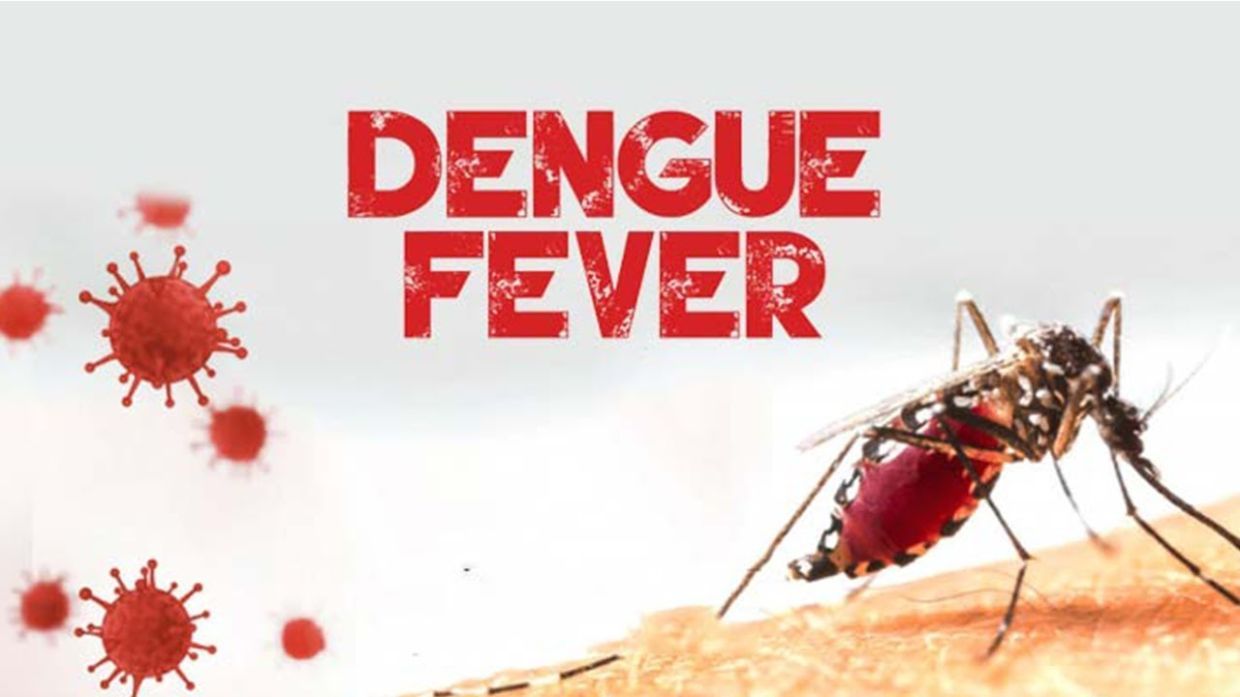
With stagnant water, poor waste management, and overcrowded tents now the norm in areas like Sagaing, Mandalay, and Nay Pyi Taw, WHO has launched an emergency health response to contain the spread of dengue, a mosquito-borne disease particularly dangerous to children and pregnant women.
“We lost everything in the earthquake—then my daughter got sick with high fever,” shared Daw Nandar, sheltering her 8-year-old in a temporary camp. “We had no clinic nearby, no money. Luckily, health workers arrived in time and gave her the care she needed.”
Her story is echoed by thousands facing the dual threats of disaster and disease. The earthquake destroyed homes and health infrastructure, forcing families into vulnerable, unsanitary conditions—perfect for dengue to thrive.
To combat this, WHO has rolled out:
- 4,500 rapid diagnostic test kits to detect and treat dengue early
- 500 mosquito net tents to shield children and infants
- 6.2 tons of Temephos, a larvicide used to destroy mosquito breeding grounds
“We cannot wait for dengue to become the next disaster,” said Elena Vuolo, Deputy Head of WHO Myanmar. “This is about protecting lives, not just controlling mosquitoes.”
The timing is urgent. With the monsoon season approaching, mosquito populations are expected to spike, making early intervention vital to prevent an epidemic.
In the meantime, WHO has issued a Flash Appeal for $8 million, aimed at funding trauma care, restoring basic healthcare services, and preventing infectious disease outbreaks across the hardest-hit zones in the next 30 days.
“Public health cannot be an afterthought in crisis response,” Vuolo emphasized. “Preventing outbreaks now is how we protect these families and build back stronger.”
For displaced families like Daw Nandar’s, WHO’s mission is clear: respond fast, act early, and save lives before another disaster strikes.