

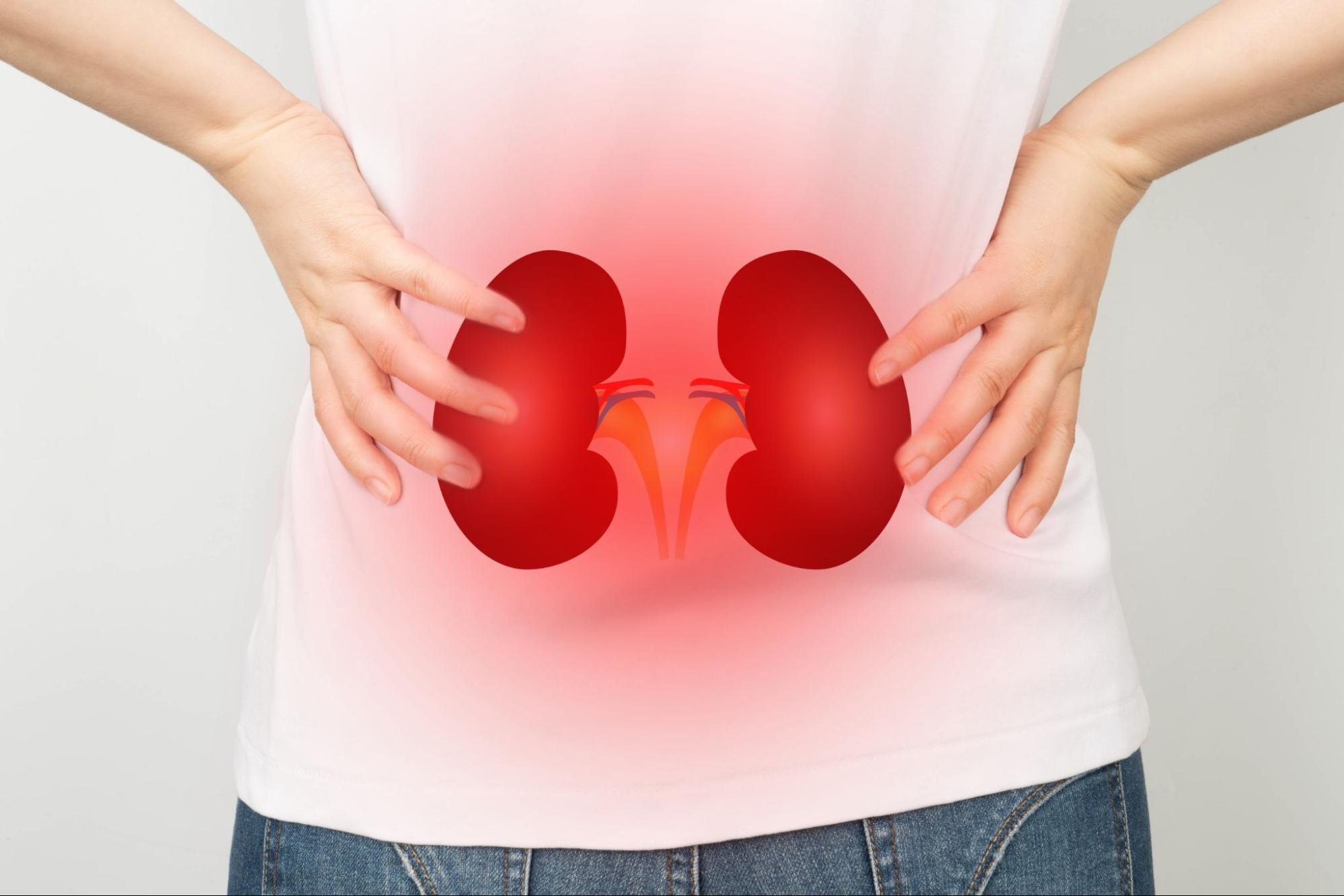

Poor kidney function can lead to a dangerous buildup of waste products in the bloodstream, a condition known as uremia. The kidneys, much like the heart and lungs, play a vital role in maintaining overall health. Their primary function is to filter waste materials and excess fluids from the blood, which are then expelled as urine. After filtration, the kidneys return clean blood to the body. They also help regulate blood pressure, maintain electrolyte balance, and produce hormones crucial for bone health and the production of red blood cells.
When the kidneys stop functioning optimally, the body begins to experience a range of complications. Waste accumulation can disrupt several bodily functions, paving the way for serious health issues. If left untreated, kidney disorders can progress to chronic kidney disease (CKD) or even kidney failure. This makes it essential to recognise early signs of kidney trouble and seek timely medical intervention.
Warning Signs and Symptoms of Poor Kidney Function
1. Changes in Urination
Kidney dysfunction often shows up in altered urination patterns—frequent urination, reduced urine output, or noticeable changes in urine colour.
2. Swelling in Legs
Fluid retention is a common sign of kidney issues. Puffiness or swelling may be seen in the legs, ankles, and even around the eyes.
3. Constant Fatigue
The buildup of toxins in the body due to poor kidney filtering can cause persistent fatigue, weakness, and reduced stamina.
4. Shortness of Breath
If excess fluid accumulates in the lungs, a person may experience difficulty breathing or shortness of breath.
5. Nausea and Vomiting
Since the kidneys are responsible for eliminating waste, reduced kidney function can cause digestive symptoms such as nausea and vomiting.
6. Confusion or Difficulty Concentrating
High levels of toxins in the blood may impair cognitive abilities, making it harder to focus or think clearly.
If any of these symptoms appear—especially in individuals with diabetes, high blood pressure, or a history of kidney disease—it is important to consult a doctor immediately. Early diagnosis and treatment can significantly reduce the risk of complications.
Lifestyle and Dietary Tips to Protect Kidney Health
Maintaining healthy kidneys requires a combination of proper nutrition, hydration, and lifestyle management. Here are essential practices to follow:
Stay Hydrated
Drinking sufficient water is one of the most effective ways to support kidney function, as it helps flush out toxins efficiently.
Eat a Balanced Diet
Include plenty of fruits, vegetables, whole grains, and lean protein sources. Limit salt, sugar, and heavily processed foods to reduce stress on the kidneys.
Exercise Regularly
Physical activity supports a healthy body weight and helps regulate blood pressure—two key factors in preventing kidney damage.
Monitor Blood Pressure and Blood Sugar
Keeping these levels in check is crucial, especially for people with hypertension or diabetes, who are at increased risk of kidney problems.
Avoid Smoking and Excessive Alcohol
Both habits can harm kidney function over time and should be avoided for long-term renal health.
Get Routine Check-Ups
Regular kidney function tests are essential for early detection, particularly for those with known risk factors.
Maintaining kidney health is fundamental to overall well-being. Adopting these preventive measures can greatly support kidney function and lower the risk of long-term complications.
Disclaimer: This content provides general information only and is not a substitute for professional medical advice. Always consult a qualified healthcare provider for personalised guidance.