

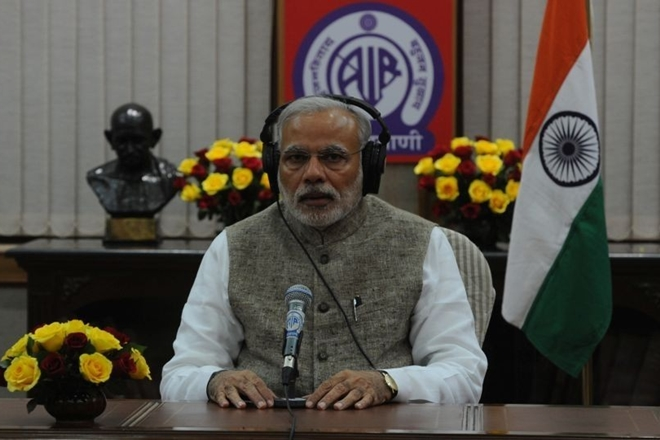

New Delhi, India – July 27, 2025 – Prime Minister Narendra Modi, in his 124th ‘Mann Ki Baat’ episode broadcast on Sunday, underscored the profound impact of the ‘Swachh Bharat Abhiyan’ (Clean India Mission), emphasizing its evolution from a government initiative into a powerful mass movement. As the nationwide cleanliness drive nears its 11th anniversary, PM Modi highlighted how collective public participation has enabled the seemingly impossible task of waste management and cleanliness to become a tangible reality across India.
“Sometimes a task comes across as impossible to some people. They wonder, would this even be possible? But, when the country comes together on one thought, even the impossible becomes possible. ‘Swachh Bharat Mission’ is the biggest example of this. Soon, this mission will complete 11 years. But, its strength and its need is still the same,” an official release quoted PM Modi as saying, reflecting on the mission’s enduring spirit.
The Prime Minister proudly announced that more than 4,500 cities and towns have actively joined the cleanliness movement this year, showcasing the widespread adoption of the mission’s ethos. He attributed this success to genuine public participation, noting, “In these 11 years, ‘Swachh Bharat Mission’ has become a mass movement. People consider it their duty, and this is real public participation. The Swachh Survey, conducted every year, has lifted this feeling further. More than 15 crore people participated in it. This is not an ordinary number. This is the voice of Swachh Bharat.” The Swachh Survekshan, an annual cleanliness survey, plays a crucial role in fostering competition and encouraging urban local bodies to improve their sanitation efforts.
PM Modi then delved into specific examples of innovative waste management practices being implemented at the grassroots level across the country:
- Kirtinagar, Uttarakhand: The Prime Minister praised the people of Kirtinagar for setting a new benchmark in waste management, particularly in the challenging hilly regions. He noted how their efforts serve as an inspiration for the entire nation.
- Mangaluru, Karnataka: Modi highlighted the use of technology for organic waste management in this coastal city, showcasing how modern solutions are being integrated into local cleanliness drives.
- Roing, Arunachal Pradesh: In a unique initiative, the small city of Roing transformed its waste management challenges through the ‘Green Roing Initiative,’ where locals have successfully created an entire park from recycled waste, demonstrating creative solutions to environmental issues.
- Karad and Vijayawada: The Prime Minister acknowledged the new examples of water management set in these cities, indicating a broader focus on holistic sanitation beyond just solid waste.
- Ahmedabad Riverfront: The cleanliness achieved at the River Front in Ahmedabad also received a special mention, drawing attention to successful large-scale urban cleanliness projects.
PM Modi specifically applauded the ‘Sakaratmak Soch’ (Positive Thinking) team in Bhopal, a remarkable group of 200 women. “They don’t just clean, they also change mindsets,” he stated. This team actively cleans city parks and distributes cloth bags, promoting behavioral change alongside physical cleanliness. Their efforts have significantly contributed to Bhopal’s improved ranking in the Swachh Survey.
Another inspiring example cited was the Gomti River team in Lucknow, whose members have diligently worked on river cleanliness every Sunday for the past decade, showcasing unwavering dedication to environmental preservation.
In Bilha, Chhattisgarh, PM Modi highlighted how women, after receiving training in waste management, collectively transformed the city’s landscape, empowering communities through skill development and environmental action. The city of Panaji in Goa was presented as another exemplary case, where waste is meticulously divided into 16 categories for segregation, an initiative primarily led by women, which has even earned Panaji a prestigious President’s award. Panaji has been lauded for its 16-way segregation system at the source, significantly reducing landfill burden and promoting resource recovery.
Concluding his address, PM Modi reiterated that cleanliness is not a one-time endeavor but a continuous commitment. “Friends, cleanliness is not a one-time, one-day task. Only when we accord priority to cleanliness every day, every moment of the year, will the country remain clean,” he affirmed, urging every citizen to integrate cleanliness into their daily lives for a truly Swachh Bharat.