

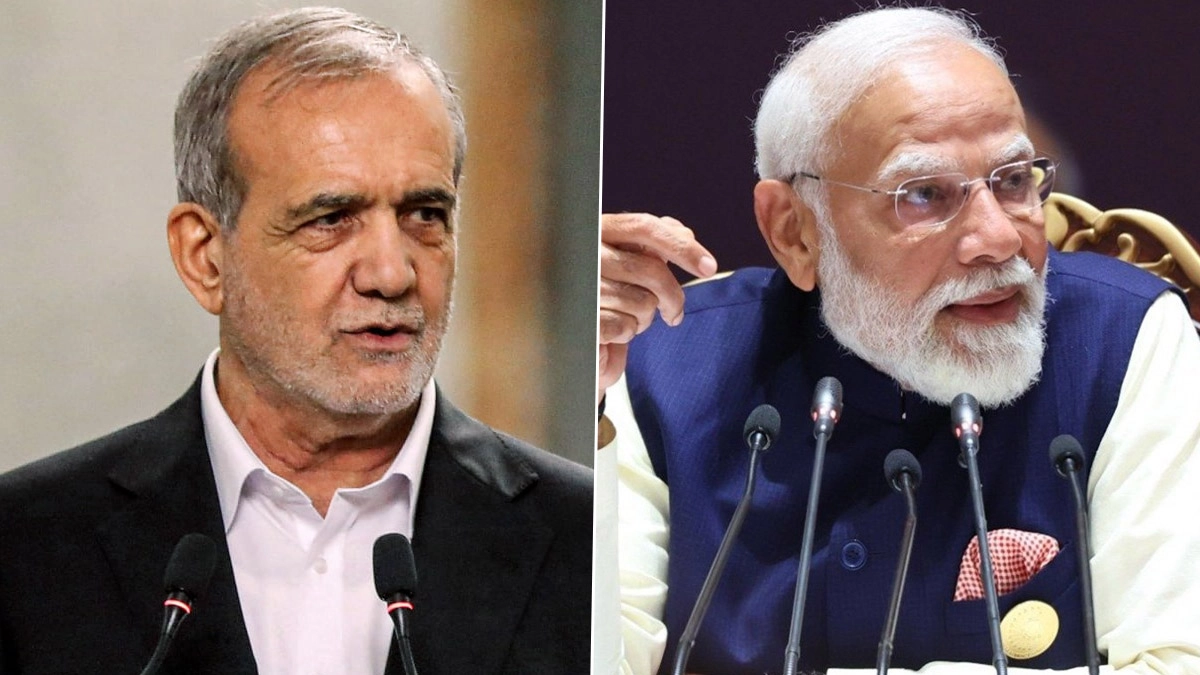

NEW DELHI — Prime Minister Narendra Modi held a high-stakes telephone conversation with Iranian President Masoud Pezeshkian on Thursday, March 12, 2026, marking their first direct communication since the outbreak of the U.S.-Israel-Iran war on February 28.
The call comes at a critical juncture for India, as the nation grapples with a domestic LPG shortage, soaring oil prices ($100+), and the precarious safety of thousands of Indian citizens currently in the conflict zone.
1. India’s Red Lines: Energy and Citizens
During the discussion, Prime Minister Modi emphasized that India’s diplomatic stance is anchored in two “top priorities”:
- Energy Security: Modi stressed the “need for unhindered transit of goods and energy.” With the Strait of Hormuz currently a “dead zone” for most merchant traffic, India is facing significant supply chain disruptions that have already led to fuel rationing in cities like Bengaluru.
- Safety of Nationals: There are approximately 9,000 Indians in Iran, including professionals, students, and pilgrims. While hundreds have been moved from Tehran to safer locations, many are fleeing via land borders into Azerbaijan and Armenia to find flights back to India.
- Infrastructure Damage: The PM expressed “deep concern” over the loss of civilian lives and the extensive damage to civilian infrastructure following recent strikes in Iranian cities.
2. The Diplomatic “Balancing Act”
The call reflects India’s unique position as a strategic partner to both Washington and Tehran.
- The Message to Tehran: Modi reiterated India’s “consistent position” that the crisis must be resolved through dialogue and diplomacy rather than military escalation.
- The Regional Perspective: President Pezeshkian reportedly shared his “perspective on recent developments,” likely referring to the assassination of the Supreme Leader and the subsequent Iranian retaliatory strikes on Gulf shipping and U.S. interests.
- S. Jaishankar’s Role: External Affairs Minister S. Jaishankar has remained in constant contact with his Iranian counterpart, Seyed Abbas Araghchi, speaking three times in the last 13 days to negotiate safe passage for Indian-flagged tankers.
3. Operational Impact: The “Homecoming” Effort
The Indian government has activated “Operation Homebound” (informal) to assist citizens caught in the crossfire.
- Evacuation Routes: With Iranian airspace frequently closed due to missile alerts, the MEA is coordinating land evacuations toward the north.
- Merchant Seafarers: A significant number of the Indians in the region are seafarers on merchant vessels. The arrival of the Shenlong tanker in Mumbai yesterday (the first successful transit since the war began) was seen as a major success for Indian maritime coordination.
India-Iran Crisis Dashboard: March 13, 2026
| Metric | Status / Current Data |
| Indian Nationals in Iran | ~9,000 (Students, Seafarers, Professionals) |
| Evacuation Status | Active; Land routes to Azerbaijan/Armenia open |
| Trade Priority | Reopening the Strait of Hormuz for crude/LNG |
| Diplomatic Pulse | Calls for immediate ceasefire and “unhindered transit” |