


MUMBAI – Before Paytm became a financial giant with a market worth of over ₹75,000 crore, its founder and CEO Vijay Shekhar Sharma used a number of clever “growth hacks” to grow the company. Sharma recently said that one of the most successful of these used ordinary items to get people to download apps and make purchases.
Deedy Das, a venture capitalist located in the U.S. who was just made a partner at Menlo Ventures, related the experience. Das wrote on social media about his meeting with Sharma, calling him a “legendary” and “OG Indian internet entrepreneur.”
Das’s post says that Sharma talked about some important events from his business journey:
A Dangerous Early Sale: When the company was having a hard time, Sharma had to sell 40% of his business for only $17,000 to pay off a loan. That investment would be worth more than $100 million later.
Sharma also talked about how Paytm “accidentally” developed Japan’s biggest payments engine, PayPay. The company had big plans to go global at first, but rules and strategic choices made it focus on the Indian market instead. Paytm sold its share in PayPay to SoftBank for a reported $279.2 million in December 2024.
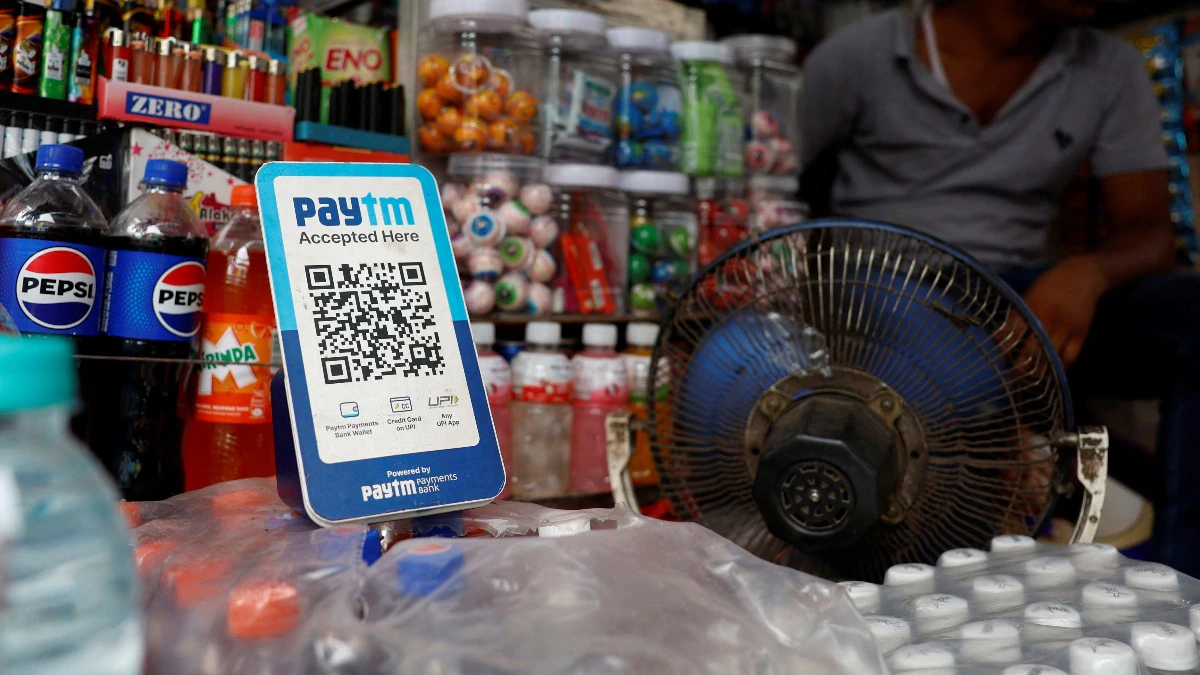
But Sharma’s anecdote about “One of the greatest growth hacks” was the most interesting. He talked about how working with big fast-moving consumer goods (FMCG) companies helped the business grow quickly. It was a simple but great idea: let customers scan a QR code on things like Coca-Cola bottles and Lay’s packets to get back ₹15. Paytm has conducted this promotion several times over the years, and it brought millions of users to the app by making a simple purchase into a digital transaction.
This plan was a masterclass in getting a lot of people who aren’t tech-savvy to use digital payments by putting them inside things that millions of Indians already use every day.
Paytm, which started in 2010, saw another big jump in growth after the Indian government demonetized the currency in November 2016. After the cash prohibition, the company saw a 435% jump in visitation, a 200% rise in app downloads, and a 250% rise in all transactions. This time, together with its creative marketing strategies, made Paytm the frontrunner in India’s digital payments revolution.