


New Delhi:
A father’s exposure to microplastics could significantly impact the long-term health of his children — especially daughters — by increasing their risk of developing metabolic disorders, including diabetes, according to a new study published in the Journal of the Endocrine Society.
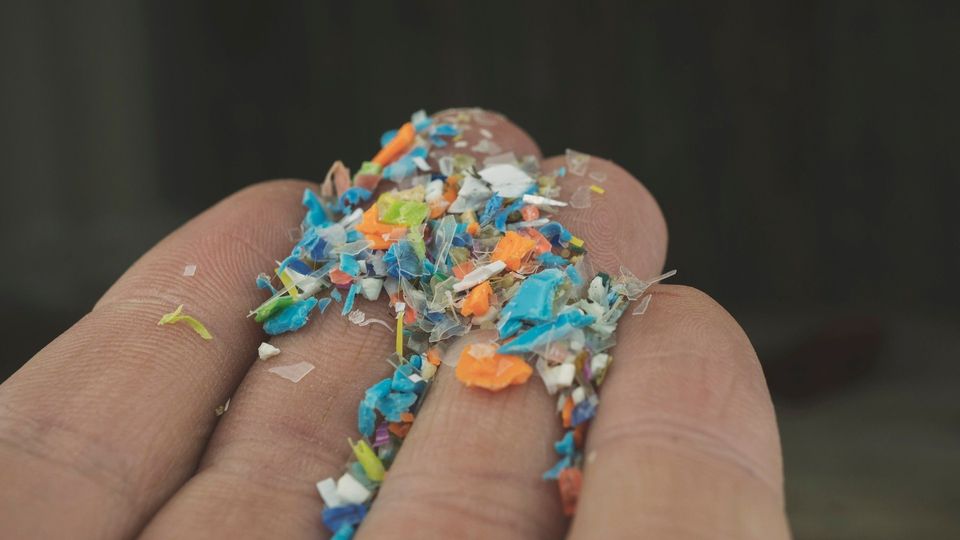
Microplastics are extremely small plastic particles — typically less than 5 millimetres — formed through the breakdown of consumer products, household plastics, packaging materials and industrial waste. Over recent years, these particles have been detected in human organs, including reproductive systems, raising growing global health concerns.
This new animal-based research, however, is the first to establish a connection between paternal exposure to microplastics and the future metabolic health of offspring.
Lead researcher Professor Changcheng Zhou, from the University of California, Riverside’s School of Medicine, said the findings open a new and critical perspective in environmental health.
“Our discovery opens a new frontier in environmental health, shifting the focus toward how both parents’ environments contribute to the health of their children,” Zhou explained.
“These findings from a mouse study likely have implications for humans. Men planning to have children should consider reducing their exposure to harmful substances like microplastics to protect both their health and that of their future children.”
What the Study Found
Researchers induced metabolic disorders — such as high blood sugar, elevated blood pressure and excess body fat — in mouse models by feeding them a high-fat diet. They then studied the health outcomes in the offspring of male mice exposed to microplastics.
The results were striking.
Female offspring of microplastic-exposed fathers showed significantly higher susceptibility to metabolic dysfunction compared to offspring of unexposed fathers, despite consuming the same high-fat diet.
Zhou highlighted that the effect appeared to be gender-specific.
“The exact reasons for this sex-specific effect are still unclear,” he said. “In our study, female offspring developed diabetic phenotypes. We observed upregulation of pro-inflammatory and pro-diabetic genes in their livers — genes previously linked to diabetes. These changes were not seen in male offspring.”
While male offspring did not develop diabetes, they did show a slight but notable reduction in body fat. Female offspring, however, experienced reduced muscle mass alongside significantly higher diabetic risk.
A Growing Global Health Concern
The researchers warn that the impact of plastic pollution may extend far beyond environmental damage — potentially creating multigenerational health consequences.
Zhou emphasized that exposure to microplastics may leave a biological imprint on the next generation, predisposing them to chronic health issues such as diabetes and metabolic diseases.
With microplastics being increasingly found in air, food, water and everyday surroundings, experts say the findings reinforce the urgent need for stricter environmental controls and greater awareness about plastic exposure.