

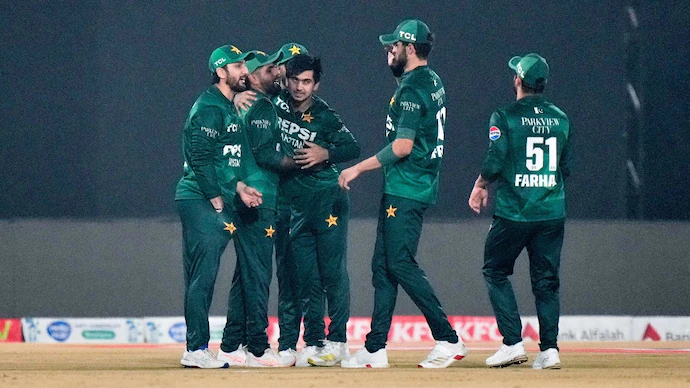

COLOMBO / ISLAMABAD — The “calm” of a Sunday evening was shattered on February 1, 2026, when the Pakistan government officially announced that while its team would participate in the T20 World Cup, it would boycott the tournament’s most lucrative fixture: the February 15 clash against India.
The move is being framed as a “protest in solidarity” with Bangladesh, who were replaced by Scotland after refusing to travel to India for their Group C matches.
1. The Double-Edged Sword: Why a U-Turn is Likely
Cricket analysts suggest Pakistan’s “glass house” argument is fragile. While Islamabad accuses the ICC of “double standards” (referencing India’s refusal to play in Pakistan for the 2025 Champions Trophy), the current World Cup already grants Pakistan a significant concession:
- Neutral Venue Advantage: Despite India being the primary co-host, the ICC agreed to host all of Pakistan’s matches in Sri Lanka.
- The Irony: By boycotting a match already scheduled at a neutral venue (Colombo), Pakistan is seen as breaching a compromise specifically designed for their safety and political comfort.
2. The Financial “Death Trap” for the PCB
The financial implications of skipping the “Crown Jewel” of cricket broadcasting are staggering.
- The Broadcaster Lawsuit: Media rights holders could sue the PCB for up to $38 million (approx. ₹320 crore) in damages.
- Commercial Implosion: An India-Pakistan game generates nearly double the revenue of a standard international match. Host broadcasters stand to lose ₹200–₹250 crore in ad revenue alone.
- PSL in Jeopardy: The ICC has hinted at a “freeze” on NOCs for overseas players in the Pakistan Super League (PSL) and a potential hold on the PCB’s share of central revenue ($34.5 million).
3. On-Field Consequences: A Gift for India
If the boycott holds, India (led by Suryakumar Yadav) will gain maximum benefit with zero effort.
- The Forfeit: India will be awarded 2 points and a win.
- NRR Nightmare: Pakistan will be credited with a loss, and their Net Run Rate will be calculated as if they conceded the full 20 overs at a high scoring rate, potentially knocking them out before the Super 8s.
- The “Ghost Toss”: To claim the points, the Indian captain must appear for the toss. If Pakistan’s Salman Ali Agha fails to show, the match is officially forfeited.
4. A “Pyrrhic” Sunday: The U-19 Parallel
The senior team’s decision mirrored a bizarre day for Pakistan cricket in Bulawayo.
- U-19 World Cup Disaster: In a Super 6 clash against India on Sunday, the Pakistan U-19 team needed to chase 253 in 33.3 overs to qualify for the semi-finals.
- The Outcome: Instead of chasing the NRR-required target, the team adopted a “risk-free” approach, playing 106 dot balls in 30 overs. They neither qualified for the semis nor won the match, losing by 58 runs.