


Jammu Welcomes Return of the ‘Darbar Move’ After Four-Year Hiatus
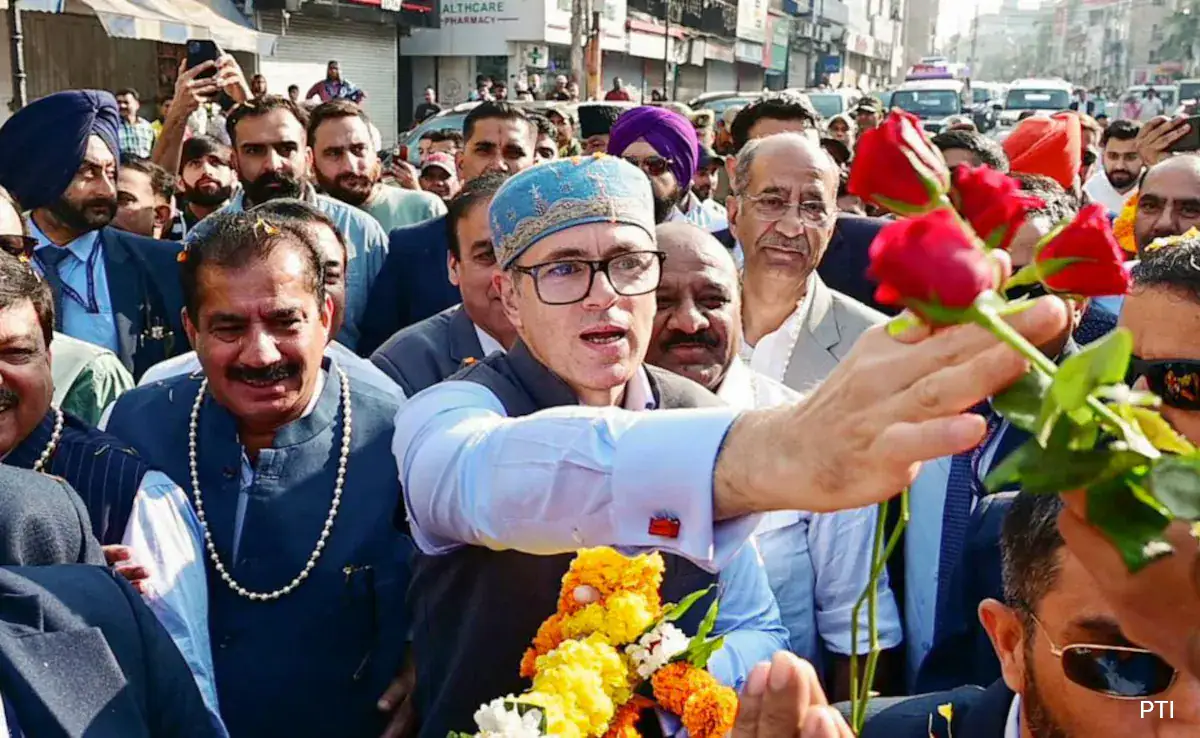
Jammu came alive on Monday as the historic ‘Darbar Move’—the 150-year-old practice of shifting the Jammu and Kashmir government between Srinagar and Jammu—resumed after being scrapped in 2021. Chief Minister Omar Abdullah personally led the reopening of the Civil Secretariat in Jammu, marking the return of the winter capital with grand celebrations and widespread public enthusiasm.
The Chief Minister, walking through Raghunath Bazar and nearby markets, received a rousing welcome from traders and residents who showered him with flower petals and chanted slogans celebrating the revival. The warm reception came notably from an area known to be a stronghold of the BJP, highlighting the broad support for the decision to restore the long-standing administrative tradition.
This is the first time in history that a Jammu and Kashmir Chief Minister has received such an overwhelming response during the opening of the ‘Darbar Move’ in Jammu.
Why the ‘Darbar Move’ Was Scrapped in 2021
The ‘Darbar Move’ was discontinued in 2021 during direct central rule under Lieutenant Governor Manoj Sinha. The decision came as part of a series of measures implemented after the abrogation of Article 370 in August 2019.
Authorities at the time cited cost-cutting measures, claiming the halt would save approximately ₹200 crore annually. However, critics argued that ending the biannual capital shift between Srinagar (summer) and Jammu (winter) had severe consequences for local businesses in Jammu.
For traders and locals, the practice represented more than just a government relocation—it was a symbol of regional balance, economic vitality, and communal harmony between the two regions.
Omar Abdullah: ‘Restoring the Darbar Move Is Restoring Justice’
Speaking after formally reopening the Civil Secretariat, Omar Abdullah said the end of the ‘Darbar Move’ had unfairly affected Jammu and upset the state’s traditional administrative balance.
“It was injustice with the people of Jammu. It had deeply hurt Jammu and Kashmir’s regional balance. By re-establishing the ‘Darbar Move’, I have removed that injustice,” Abdullah said.
The Chief Minister added that restoring the practice was also a key promise in the National Conference’s election manifesto, aimed at reviving Jammu’s economy and reaffirming the union territory’s dual-capital identity.
Historical Roots of the ‘Darbar Move’
The ‘Darbar Move’ dates back to 1872, when Maharaja Gulab Singh introduced the practice to ensure administrative accessibility across the geographically distinct regions of Jammu and Kashmir. Each year, government offices would shift to Srinagar in the summer and Jammu in the winter, allowing citizens from both regions easier access to government services.
Over the decades, the move became a symbol of unity and shared governance, blending Kashmir’s summer charm with Jammu’s winter vitality.
Current Status: Dual Operations Under Lt Governor’s Order
While Omar Abdullah’s government has fully restored the Darbar Move, Lt Governor Manoj Sinha has simultaneously issued an order directing the Home Department and allied agencies to function simultaneously from both Srinagar and Jammu. The dual operation model is aimed at ensuring continuous governance and administrative efficiency across the union territory.
Celebrations and Symbolism
The reopening of the Civil Secretariat in Jammu was marked by a guard of honour from the police and jubilant scenes from employees and citizens alike. Traders, many of whom had been vocal about the economic slowdown caused by the halt, hailed the revival as a “victory for Jammu’s identity and heritage.”
For many, the return of the ‘Darbar Move’ is more than a policy decision—it is the revival of a legacy that connects history, politics, and regional pride.