

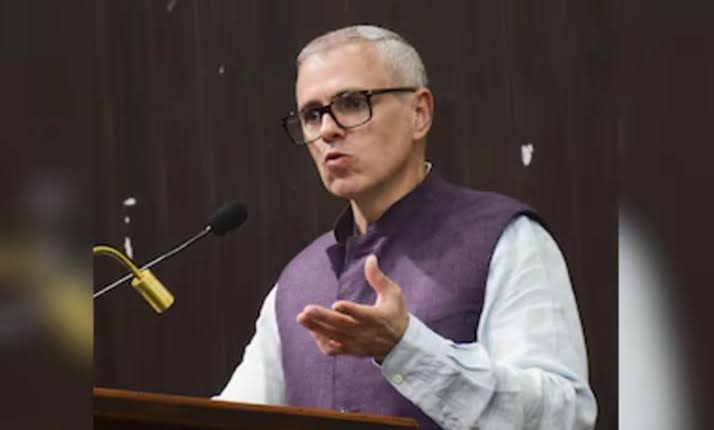

Ramban (Jammu and Kashmir) [India] : Jammu and Kashmir Chief Minister Omar Abdullah has firmly dismissed recent remarks by Pakistan Prime Minister Shehbaz Sharif regarding the Pahalgam terror attack, asserting that he does not consider Islamabad’s statements worth much attention.
Speaking to ANI during his visit to Ramban, Abdullah criticized Pakistan for initially denying the terror attack and then attempting to shift blame onto India. “First of all, they did not even recognise that something had happened in Pahalgam. Then, they said that India was behind it,” Abdullah stated, calling the April 22 attack “unfortunate” and something that “should never have happened.”
Abdullah’s comments follow Sharif’s offer on Saturday to participate in a “neutral, transparent, and credible” investigation into the attack that killed 26 people, including one Nepali national, at Baisaran meadow in Pahalgam, Jammu and Kashmir. Sharif claimed Pakistan has been a “frontline state against terrorism” and has suffered immense losses.
However, Abdullah appeared unconvinced. “For the people who made allegations against us in the first place, it is difficult to say anything now… I don’t want to give much importance to their statements,” he said.
Adding to the controversy, Pakistan’s Defence Minister Khwaja Asif recently acknowledged in an interview with Sky News that Pakistan has a history of supporting terrorist organisations—stating they had done the “dirty work” for the United States and its allies during past conflicts, which, he admitted, was a mistake.
Tensions between India and Pakistan have sharply escalated in the aftermath of the attack. India has taken several decisive diplomatic actions, including closing the Integrated Check Post at Attari, suspending the SAARC Visa Exemption Scheme for Pakistani nationals, reducing diplomatic staff, and halting the Indus Waters Treaty.
Prime Minister Narendra Modi has vowed strong retaliation. “Those who conspired and carried out this heinous act will face punishment beyond imagination,” he said, emphasizing that the time had come to dismantle the remaining terror infrastructure.