

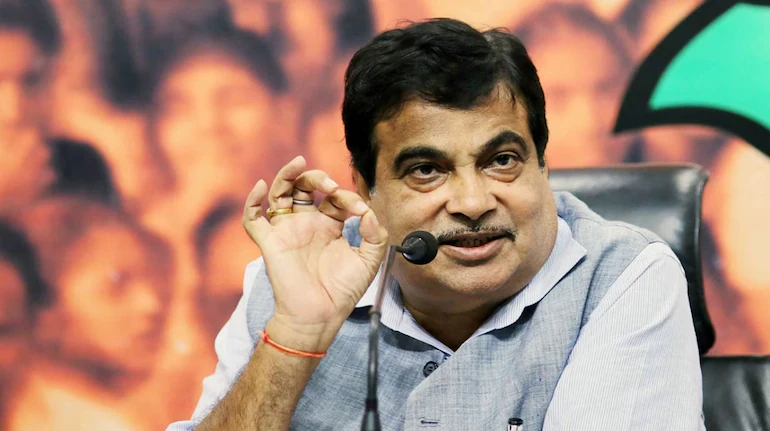

Union Minister for Road Transport and Highways Nitin Gadkari has once again sounded the alarm over Delhi’s worsening pollution crisis, saying he feels uncomfortable spending more than two or three days in the national capital. “When I arrive, I start thinking about when I will leave. I book my return ticket first,” he said, underlining the urgent need for environmental action.
Context: Gadkari at Plantation Drive
Gadkari made the remarks on Tuesday, July 9, while speaking at ‘Ek Ped Maa Ke Naam 2.0’, a large-scale tree plantation drive conducted along the Faridabad-Noida International Airport Road in Gautam Buddha Nagar, Uttar Pradesh.
Key Concerns Raised:
- Personal Discomfort in Delhi due to poor air quality
- Reduced life expectancy of residents linked to pollution
- Urged acceleration of eco-friendly transport solutions
- Highlighted alternative fuels like ethanol as part of the solution
- Advocated for massive plantation and waste reuse initiatives
Pollution Solutions Underway:
Gadkari revealed that the Ministry of Road Transport is already working on several eco-initiatives:
- 80 lakh tonnes of waste repurposed for road construction
- Rainwater harvesting being implemented on highways
- Green corridors being developed by the National Highways Authority of India (NHAI), with:
- Bamboo plantations
- Dense green cover
- Vertical gardens
Why It Matters:
Delhi NCR’s pollution reaches hazardous levels (AQI > 400) during winter months, particularly between November and January, due to stubble burning, vehicular emissions, industrial smoke, and smog.
While recent monsoon rains have kept AQI between 50-100 (“satisfactory”), environmentalists warn this is only temporary relief.
The Central Pollution Control Board (CPCB) classifies AQI levels as:
- 0–50: Good
- 51–100: Satisfactory
- 101–200: Moderate
- 201–300: Poor
- 301–400: Very Poor
- 400+: Severe
Public Reaction & Significance:
Gadkari’s blunt remarks reflect growing concern within the central government about sustainable development, climate action, and urban livability. His emphasis on green infrastructure and fuel alternatives aligns with India’s Net Zero Emissions commitment by 2070.
Delhi Chief Minister Rekha Gupta, who has been leading parallel efforts for river cleaning and electric transport, is expected to address air pollution policies during the current monsoon session of the Delhi Assembly.
Bottom Line:
Gadkari’s statement is a wake-up call — not just for Delhiites, but for all major Indian cities grappling with environmental decline. With the 2025 winter pollution season approaching, the push for green corridors, cleaner fuels, and smarter waste management has never been more urgent.