

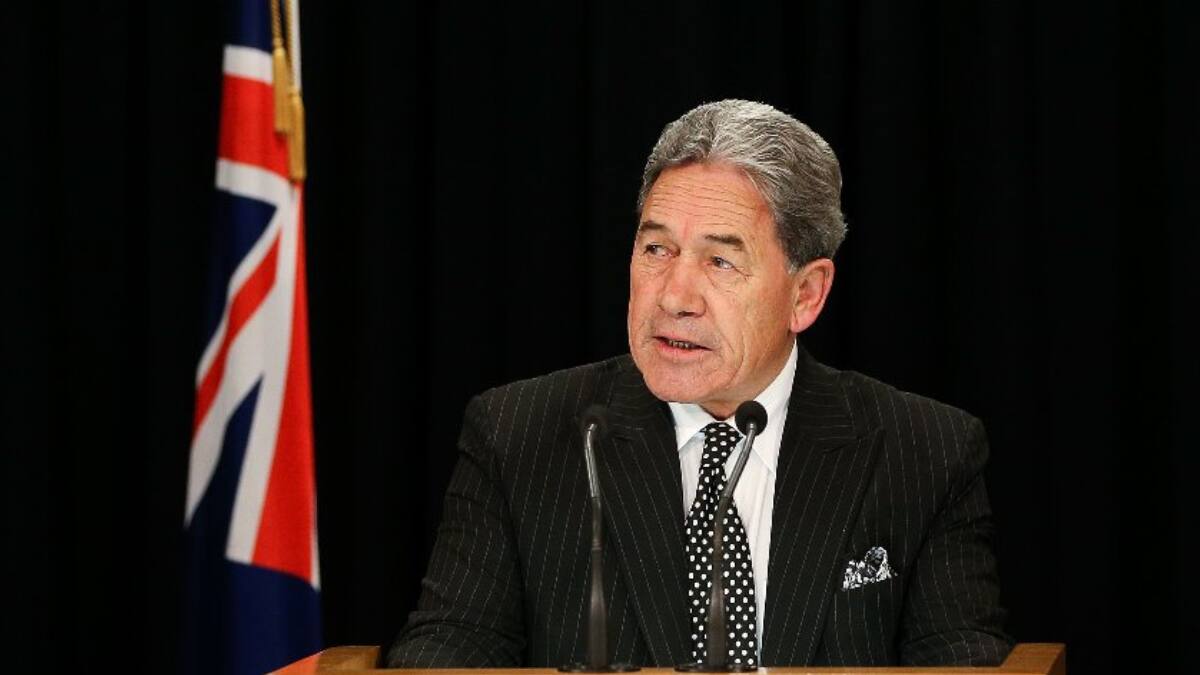

Wellington: In a major diplomatic stir, New Zealand’s Foreign Minister Winston Peters has publicly criticized the newly announced Free Trade Agreement (FTA) with India. In a detailed post on X, Peters labeled the deal a “low-quality” agreement that fails to protect New Zealand’s economic and domestic interests.
“Too Much Given, Little Reciprocated”
Peters, who leads the New Zealand First (NZF) party—a key coalition partner in the current government—argued that the deal was rushed by the National Party for political optics rather than national gain. His primary objections include:
- Dairy Exclusion: Peters highlighted that this is New Zealand’s first trade deal to exclude major dairy products like milk, cheese, and butter. He argued that while New Zealand opened its markets, India failed to reduce high tariff barriers for Kiwi farmers.
- Labor Market Concerns: The minister claimed the deal grants Indian citizens unprecedented access to the New Zealand labor market, even beyond what is offered to close allies like Australia or the UK. He warned this could undermine employment opportunities for New Zealanders during a “tight labor market.”
- Migration Policy: Peters criticized the creation of a specific employment visa for Indian citizens, stating it fails to protect the integrity of the country’s immigration system.
A Coalition Divided
The Foreign Minister’s stance exposes a significant rift within the New Zealand government. While Prime Minister Christopher Luxon and Prime Minister Narendra Modi hailed the FTA as a historic move to double bilateral trade and secure $20 billion in investments for India, Peters believes the three-year parliamentary cycle should have been used to negotiate better terms.
“National preferred doing a quick, low-quality deal over doing the hard work necessary to get a fair deal,” Peters stated, adding that he has already communicated his party’s concerns to India’s External Affairs Minister S. Jaishankar.
Economic Ambitions vs. Political Reality
The FTA was intended to be a cornerstone of the Luxon administration’s foreign policy, aiming to strengthen ties with the world’s fastest-growing major economy. However, with the Foreign Minister calling the deal “impossible to defend to rural communities,” the agreement faces a rocky path toward domestic ratification and implementation.