

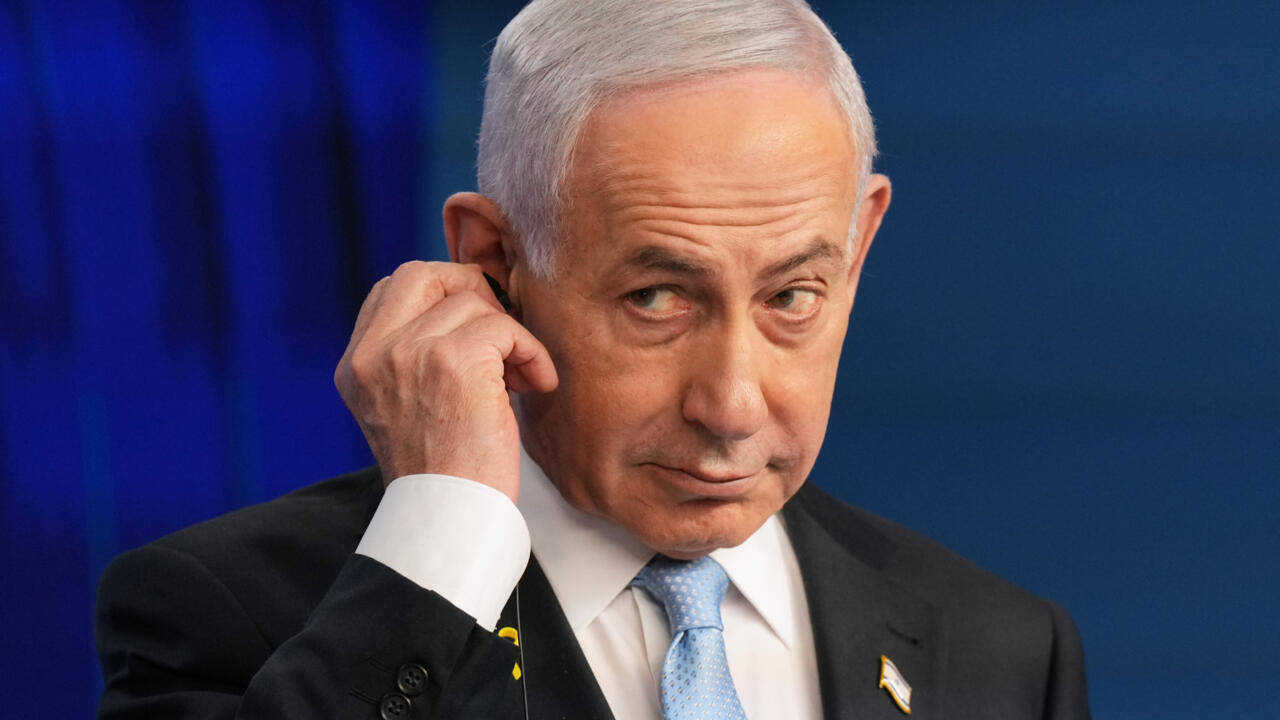

JERUSALEM: Israeli Prime Minister Benjamin Netanyahu announced Sunday that he expects to move into the second, more difficult phase of the US-sponsored Gaza ceasefire plan “very shortly.” The announcement came during a joint press conference with visiting German Chancellor Friedrich Merz in Jerusalem.
Focus of Phase Two
The first phase of the truce, which began on October 10, halted the fighting and resulted in the release of nearly all living and deceased Israeli captives seized by Hamas on October 7, 2023. The only remaining item in Phase One is the body of an Israeli police officer.
Netanyahu stated that the focus of the second phase is:
- Disarming Hamas
- Demilitarizing Gaza
- Establishing a transitional authority
- Deploying an international stabilisation force
“We very shortly expect to move into the second phase, which is more difficult,” Netanyahu said, adding that the goal is to end Hamas rule in Gaza. He also mentioned a third phase dedicated to the deradicalization of Gaza.
Netanyahu’s Upcoming Meeting with Trump
The Israeli Premier also confirmed that he will meet with US President Donald Trump later this month (December). The meeting, which follows an invitation from Trump, is expected to take place at the White House and will focus on:
- Discussions on achieving the second phase of the ceasefire plan.
- Exploring “opportunities for peace” in the region.
German Support Reaffirmed
German Chancellor Friedrich Merz, on his first trip to Israel since taking office in May, reaffirmed Berlin’s support for Israel, particularly after traditionally solid bilateral ties were tested by the Gaza war. Merz had previously criticized Israel’s military campaign.
- Support for the Plan: Merz urged the implementation of the plan’s next steps.
- Aid and Reconstruction: He confirmed that Germany is providing aid to Gaza and will contribute to reconstruction efforts.
- Historical Responsibility: The Chancellor acknowledged Germany’s “enduring historical responsibility” for the Holocaust and stated, “Germany must stand up for the existence and security of Israel.”
Merz, however, maintained that criticism of Israel was “possible and sometimes perhaps even necessary,” suggesting the close relationship between the two nations can withstand such scrutiny.