

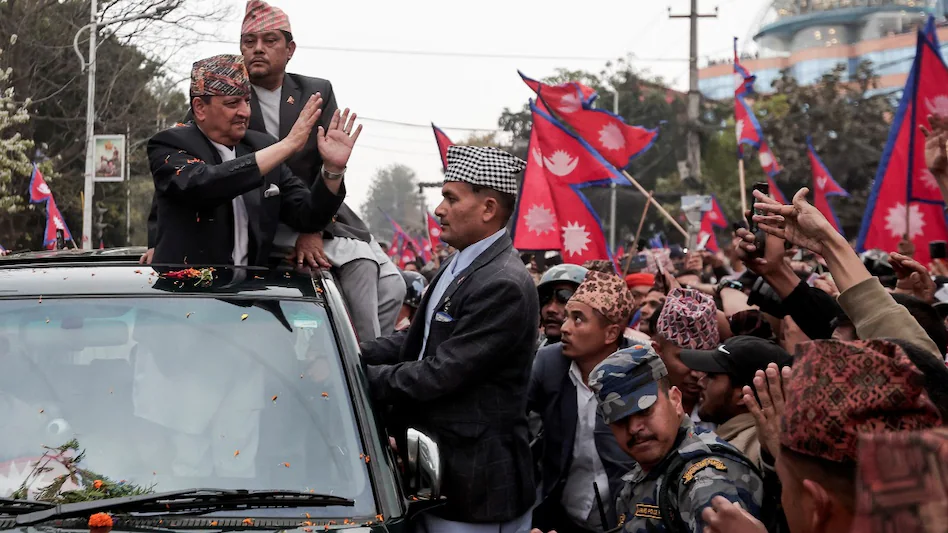

Kathmandu [Nepal]: Amid rising royalist sentiment in Nepal, the Nepal government has reaffirmed its commitment to defending the incumbent system and constitution. President Ram Chandra Paudel announced that the process of constitution amendment will move forward in the upcoming year.
While presenting the plans and policies of the KP Sharma Oli-led government, President Paudel highlighted the government’s intention to review the constitution and initiate amendments through a consensus-based approach to address its existing weaknesses.
“This government is determined to protect the far-reaching achievements brought about by the sacrifices, struggles, and movements of the Nepali people by strengthening the federal democratic republic against those who exploit the negative thinking that emerges from time to time in society, spread rumors about the constitution and system, and create chaos,” said President Paudel, referencing the resurging royalist movement.
“To strengthen the constitution and the federal democratic republican system of governance, to oppose any reactionary-resurgent anarchic activities against it. To review the constitution, strengthen its strengths, and correct the shortcomings seen during its implementation, to proceed with the process of amendment based on consensus,” he added.
The political landscape in Kathmandu has been tense following the March 28 pro-monarch clash, which resulted in two deaths and widespread arson and vandalism. Since Nepal abolished its monarchy in 2006, the Rastriya Prajatantra Party (RPP) has been a vocal advocate for reinstating the monarchy. The party has faced challenges in its electoral performance but managed to secure 14 seats in the 2022 elections.
Historically, the RPP has supported the Hindu State and the monarchical system. After the monarchy was abolished in 2008, Nepal transitioned into a republican and secular state. However, royalist factions have reemerged, with some factions still considering the Shah dynasty’s monarchy as central to Nepal’s identity.
Gyanendra Shah, the last monarch of Nepal, faced significant challenges during his 2005 royal coup, which resulted in a mass uprising that eventually led to his abdication in 2006. The People’s Movement II, which forced Gyanendra to step down, remains a crucial chapter in Nepal’s modern political history.
As Nepal navigates the divide between pro and anti-monarch factions, President Paudel’s announcement to advance constitutional amendments will likely play a pivotal role in shaping the country’s future governance.