

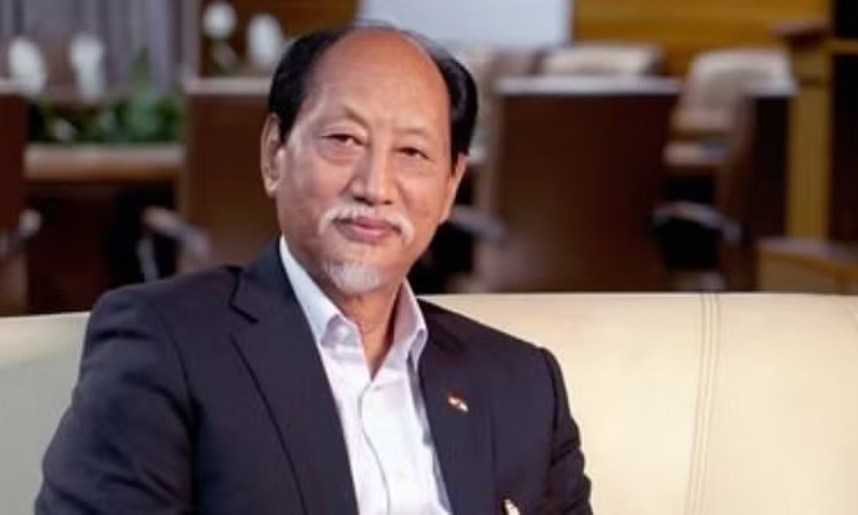

In a major political development in Nagaland, all seven MLAs of the Nationalist Congress Party (NCP) have officially merged with the ruling Nationalist Democratic Progressive Party (NDPP), granting Chief Minister Neiphiu Rio’s government a clear majority in the 60-member state assembly.
NDPP’s Strength Rises to 32
The NDPP’s tally has now surged from 25 to 32 seats, comfortably crossing the halfway mark needed to govern independently. This move comes a year after the 2023 Assembly elections, where the NDPP and its ally BJP (12 seats) formed the government, while the NCP emerged as the third-largest party.
“We have been joined by a few more friends in the NDPP party force this evening,” said KG Kenye, Nagaland Government Spokesperson and Cabinet Minister, during a press briefing on Saturday.
Merger Officially Recognized
The Speaker of the Nagaland Legislative Assembly has formally accepted the merger application, solidifying the shift. The NDPP-BJP alliance now controls 44 seats in total, further solidifying their grip on power.
Why the NCP MLAs Switched
Kenye outlined the rationale behind the merger:
“National parties like the NCP face limitations in addressing state-specific issues. This move allows for a more state-centric approach to governance.”
He emphasized that the leadership appeal of Chief Minister Rio and the NDPP’s regional focus were key factors that attracted the NCP legislators.
Coalition Dynamics and Future Outlook
With this reshuffling, Nagaland’s political makeup now includes:
- NDPP: 32 MLAs
- BJP: 12 MLAs
- NPP: 5 MLAs
- LJP (Ram Vilas): 2 MLAs
- Naga People’s Front: 2 MLAs
- RPI (Athawale): 2 MLAs
- JD(U): 1 MLA
- Independents: 4 MLAs
On the question of cabinet reshuffling, Kenye stated it is entirely the prerogative of the Chief Minister.
Significance of the Merger
This merger is not only a boost to the NDPP’s legislative strength but also a message of consolidation under Dr. Neiphiu Rio’s leadership, reinforcing regional political stability in Nagaland.
As Kenye noted, the merger reflects both political necessity and a strategic alignment with the aspirations of the people, potentially paving the way for future electoral strategies untied from rigid coalition formulas.
Conclusion
With the NCP now part of the NDPP fold, the Neiphiu Rio government stands on even firmer ground. This political realignment could significantly influence both governance and future electoral equations in Nagaland, reinforcing the trend of regional dominance and party consolidation in the state’s unique political landscape.