

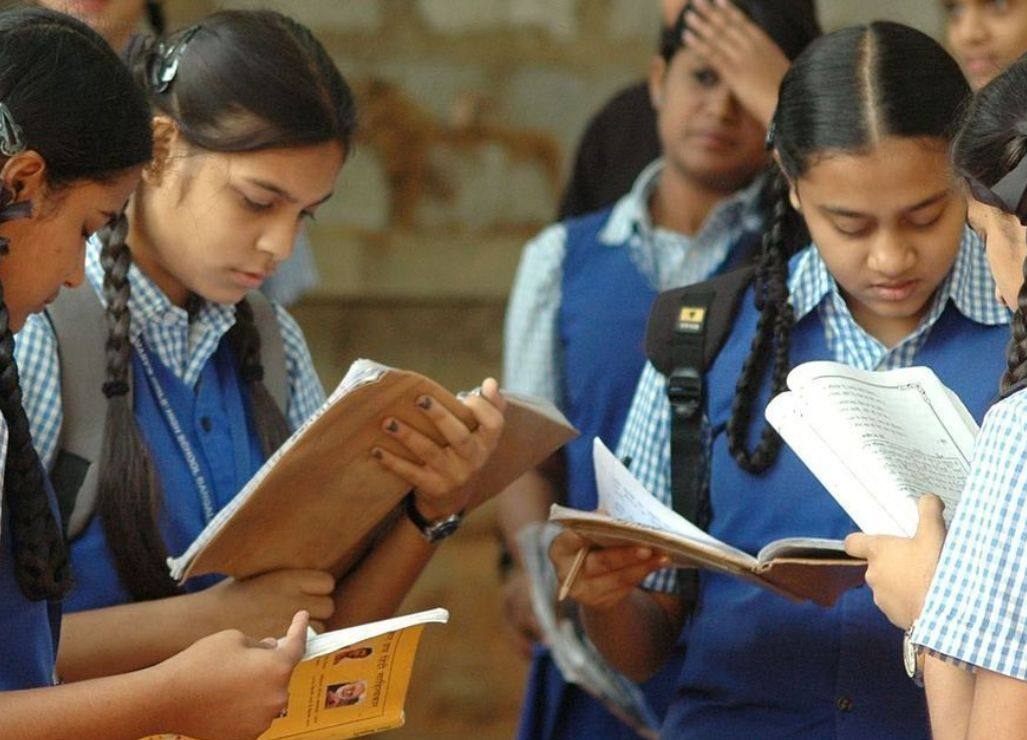

NEW DELHI — In a major overhaul of the Indian school curriculum, the NCERT released a draft syllabus on Thursday, February 5, 2026, for Class 9 students. The new textbooks, scheduled for a March 2026 release, aim to integrate indigenous contributions in science, philosophy, and governance into the mainstream historical narrative, aligning with the National Education Policy (NEP) 2020.
1. Core Focus: Indian Knowledge Systems (IKS)
The curriculum introduces a “culturally rooted” perspective, focusing on how ancient Indian advancements shaped the modern world.
- Scientific Contributions: Detailed modules on Ayurveda, ancient medicine, mathematics, and metallurgy.
- Arts & Culture: Study of the “22 Shrutis” in Indian music, yoga, and indigenous etymology.
- Agriculture: Focus on traditional horticulture and the historical global trade of Indian herbs and spices.
- Governance: Exploration of early democratic traditions in ancient India, predating colonial influences.
2. Social Justice and “Unity in Diversity”
Despite the focus on ancient history, the syllabus includes a critical examination of social structures and injustices.
- Inequality & Discrimination: Students will be enabled to discuss forms of injustice arising from both internal social structures and external forces like colonisation.
- Equity & Harmony: The draft emphasises “movements toward equity, inclusion, and justice,” requiring students to analyse past and present challenges to Indian social harmony.
- Historical Ethos: The goal is to help students understand the underlying philosophy of “unity in diversity” as a lived reality rather than just a slogan.
3. Pedagogy: Competency-Based Learning
The NCERT is shifting the academic burden from memory to application.
- Inquiry-Driven: Lessons are designed to encourage students to ask “why” and “how” rather than memorising dates and names.
- Experiential Learning: The syllabus aligns with the NCF-SE 2023, promoting hands-on projects and local case studies.
- Critical Thinking: Following feedback from education experts, the curriculum seeks to encourage students to critically analyse government policies and historical documents.
4. Context: Education Statistics in India (2025-2026)
The shift toward indigenous knowledge comes at a time when India is scaling its educational infrastructure.
| Category | Statistic (2025-26 Estimates) |
| Total School-Going Children | ~265 Million |
| NCERT Textbook Reach | Over 150 Million students annually |
| Secondary School GER | 79.6% (Gross Enrolment Ratio) |
| Literacy Rate (India) | ~78.4% |
| Scheduled Caste (SC) Literacy | ~69% |
| Scheduled Tribe (ST) Literacy | ~61% |
Note: Experts like Navneet Sharma (CUHP) have urged that “Indian Knowledge” must remain inclusive of Tribal, Dalit, and Minority perspectives to ensure a truly pan-Indian representation.