

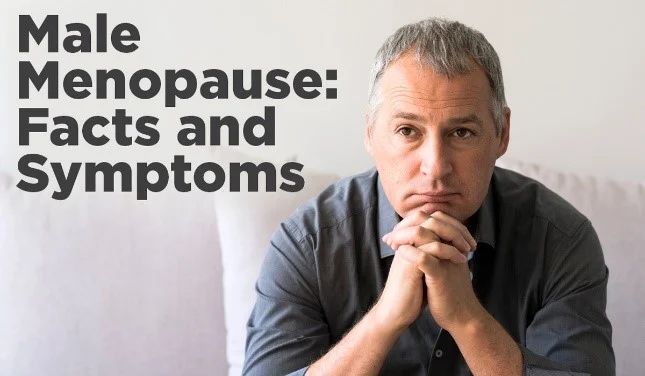

While hormonal changes are often associated with female menopause, men undergo a similar, though typically more gradual, transition known as Andropause. This phase is defined by a slow decline in testosterone levels as men age, leading to significant, yet often overlooked, emotional, cognitive, and relational challenges.
Psychotherapists emphasize that normalizing and understanding andropause is crucial for men’s well-being, as societal views of masculinity often leave men struggling to express this vulnerability.
Symptoms and Emotional Effects of Andropause
Andropause manifests through a combination of physical and emotional shifts that can significantly affect a man’s daily life:
- Shifts in Physical Energy:
- Noticeable drop in energy levels.
- Increased fatigue, even after a full night’s sleep.
- Longer recovery times from physical activity.
- A decline in sex drive.
- Heightened Emotional Sensitivity:
- More frequent feelings of irritability, frustration, or sadness.
- A tendency to withdraw emotionally, which loved ones may misinterpret as indifference or lack of affection.
- Fading Confidence:
- A rise in self-doubt, leading men to question their abilities, attractiveness, and overall worth.
- This can negatively impact sexual intimacy, career choices, and general self-esteem.
- Changes in Identity and Meaning:
- Midlife reflection, intensified by hormonal shifts, can lead to questioning life choices and previously held dreams.
- This may result in confusion and a sense of being lost or struggling with a shifting identity.
The Ripple Effect on Relationships
Emotional withdrawal and irritability, often driven by hormonal confusion, frequently create distance in relationships.
Expert Insight: “The issue that creates distance between couples is not a lack of love, but the confusion caused by hormonal changes,” explains psychotherapist Dr. Chandni Tugnait.
Societal expectations of masculinity—linking strength with emotional control—can cause men to view this internal transition as a personal failure, leading to shame and further emotional withdrawal.
Practical Ways to Handle Andropause
Dealing with andropause effectively requires a multi-pronged approach that includes normalization, emotional support, and lifestyle adjustments:
1. Normalization and Communication
- Reduce Shame: Understanding that andropause is a natural biological process similar to menopause helps reduce feelings of shame and isolation for men.
- Partner Understanding: Loved ones should understand the hormonal basis of these changes, allowing them to communicate more gently and foster emotional closeness instead of distance.
2. Seeking Support
- Therapy’s Role: Therapy provides a safe space for men to discuss their feelings, manage stress, and redefine masculinity. It helps them realize that vulnerability is an integral part of living authentically.
- Rethinking Masculinity: Support can help men avoid seeing these internal shifts as signs of personal failure.
3. Lifestyle Modifications
Practical changes can help ease the physical and emotional transitions:
- Medical Advice: Consulting with a healthcare provider for professional guidance.
- Physical Activity: Regular exercise can help manage energy levels and mood.
- Better Sleep Habits and Mindfulness: Improving rest quality and practicing present-moment awareness are beneficial.
By embracing these strategies, men can navigate this period with greater emotional awareness