

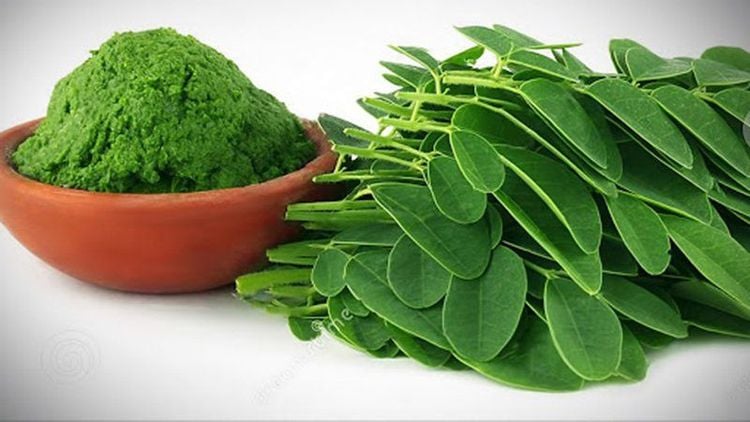

Moringa leaves, long used in Ayurvedic medicine, have recently gained global popularity as a powerful superfood. Often called the “miracle tree,” moringa is packed with essential nutrients and is considered a complete plant-based protein, containing all nine essential amino acids.
In addition to vitamins A, C, and E, moringa leaves are rich in calcium, potassium, and iron. They are also known for helping regulate blood sugar levels. Now, research suggests moringa may also support liver health and reduce the risk of non-alcoholic fatty liver disease (NAFLD).
How Moringa Leaves Help Lower Fatty Liver Risk
1. Protects the Liver from Damage
Studies indicate that moringa leaves can help shield the liver from toxins and diseases. They may improve liver function and support the body’s natural detoxification processes.
2. Reduces Oxidative Stress
The liver plays a key role in detoxifying the body. Moringa contains antioxidants such as vitamin C, vitamin E, and polyphenols, which neutralise free radicals and prevent damage to liver cells.
3. Controls Inflammation
Fatty liver disease can progress to non-alcoholic steatohepatitis (NASH), a serious condition marked by inflammation and scarring. Moringa’s anti-inflammatory properties may help reduce liver inflammation and slow disease progression.
4. Normalises Liver Enzymes
When the liver is inflamed or damaged, enzymes like ALT and AST leak into the bloodstream. Research suggests moringa extract can help lower these enzyme levels, indicating improved liver cell health.
5. Supports Fat Metabolism
Moringa may help regulate fat metabolism, reducing fat accumulation in the liver and lowering the risk of developing NAFLD.
Easy Ways to Add Moringa to Your Diet
- Smoothies: Blend moringa powder or fresh leaves with fruits and yogurt.
- Soups & Stews: Add leaves while cooking vegetables for a nutrition boost.
- Herbal Tea: Steep dried leaves in hot water; add honey, lemon, or ginger for taste.
- Egg Dishes: Mix chopped leaves into omelets or scrambled eggs.
- Roti or Paratha Dough: Knead fresh moringa leaves into dough for added nutrients.
Expert Tip
Start with small amounts and gradually increase intake to avoid digestive discomfort. Overconsumption should be avoided, and individuals with medical conditions should consult a healthcare professional.