

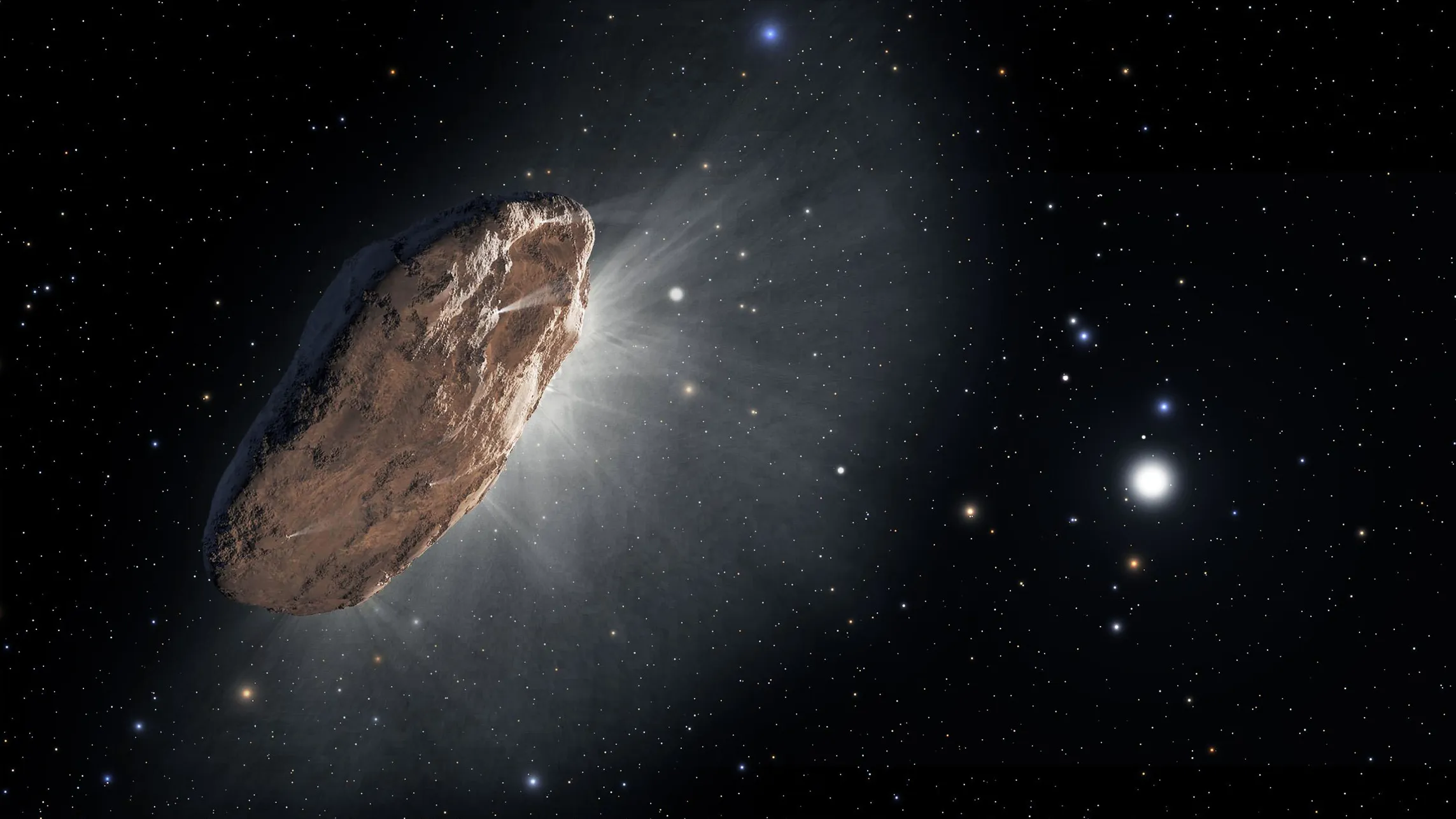

WASHINGTON, D.C. — Scientists at the Southwest Research Institute (SwRI) say that trips to examine interstellar comets are not just a faraway dream; they are possible and cheap with the technology we have now. The results of a concept analysis show that a spacecraft could have already been sent to meet the recent visitor 3I/ATLAS, which is the third known object to come to our solar system from another star.
Scientists at SwRI said that getting close to an interstellar comet would provide us “unprecedented insights” into what these things are made of and where they came from. A probe may take samples from the comet’s nucleus and the gas and dust cloud that surrounds it (the coma). This would help scientists learn more about how planets develop in other star systems. The study found that a mission like this wouldn’t need any new or better technology than what NASA has utilized in the past, such the New Horizons mission to Pluto. In a lot of cases, the team’s math revealed that these missions would need less fuel and speed changes than missions that go to objects in our own solar system.
Mark Tapley, an expert in orbital mechanics at SwRI, said that the research showed that “it doesn’t take anything harder than the technologies and launch performance” of missions that NASA has already flown. The study’s results make a solid case for going after missions to these temporary objects.
The attempt to find and study comets that travel between stars is a global effort. Astronomers from organizations like the European Space Agency (ESA) employ a network of observatories around the world, including ones in Hawaii, Chile, and Australia. NASA, ESA, and other international partners work together on big space telescopes like the Hubble and the James Webb Space Telescope.
This cooperation is important because these celestial guests don’t stay around for long. For example, Europe’s forthcoming Comet Interceptor mission, which is set to launch in 2029, would wait in space for a good target. This could be a clean comet from our own solar system or, if it is found in time, an interstellar visitor. This kind of international cooperation not only brings together experts, but it also splits the costs, which makes a probe expedition to an object in another star system more likely to happen.