

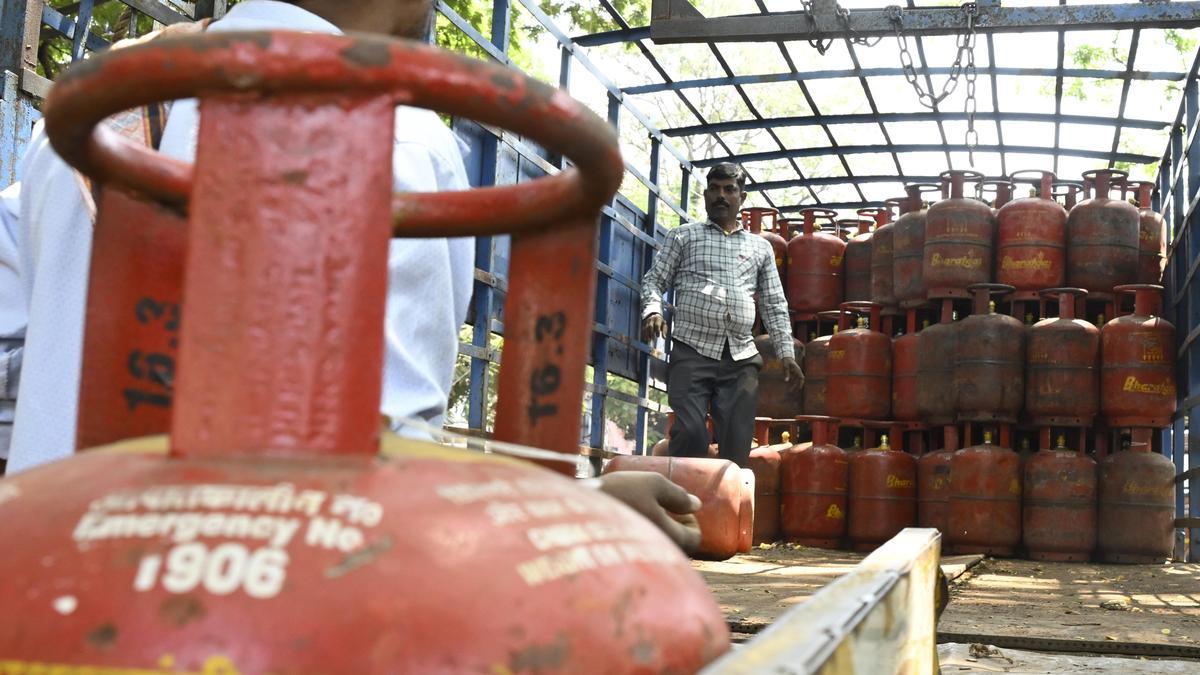

The Ministry of Petroleum and Natural Gas has barred households with piped natural gas (PNG) connections from obtaining or refilling domestic Liquefied Petroleum Gas (LPG) cylinders, amid one of the sharpest cooking-gas supply disruptions India has faced in years.
The ministry said it amended the LPG control order on Saturday, adding that the move is aimed at streamlining distribution and preventing misuse of subsidised LPG by households that already have access to piped gas networks.
Oil Companies Directed To Stop New Connections And Refills
Under the revised order, government-run oil companies have been instructed not to issue new LPG connections or refill cylinders for consumers who already have PNG connections.
Officials said the measure is intended to prioritise households that rely solely on LPG for cooking, particularly during the ongoing supply crunch.
Imports Plunge Amid Middle East Conflict
The decision comes as India faces a sharp drop in LPG imports due to the escalating conflict in the Middle East.
Shipments for the week beginning March 9 fell to about 270,000 tonnes, the lowest level since April 2023, after shipping flows through the Strait of Hormuz slowed significantly following US and Israeli attacks on Iran.
India depends on imports for nearly 90% of its LPG requirements, making the disruption particularly severe for domestic supply.
Government Seeking Alternative Suppliers
To stabilise availability, the government is now sourcing additional LPG cargoes from several countries, including:
- United States
- Norway
- Canada
- Algeria
- Russia
Authorities are also in discussions with Iran to ensure safe passage for LPG tankers bound for India.
Domestic Production Boosted
To offset the supply shortfall, refiners have been asked to maximise domestic output.
According to Hardeep Singh Puri, India’s Minister of Petroleum and Natural Gas, refineries have already increased domestic LPG production by about 28%.
LPG Prices Raised To Moderate Demand
Retail LPG prices were also raised earlier this month for the first time in a year, with a 7% increase pushing the price of a 14.2 kg cylinder in Delhi to ₹913.
The price revision is part of the government’s strategy to moderate demand and manage limited supplies during the crisis.
Focus On Protecting Household Consumers
The government said the new restrictions aim to prioritise households that rely solely on LPG, while conserving supplies during a period of global energy volatility.
With tensions in the Middle East disrupting one of India’s most critical energy supply routes, authorities are moving to secure alternative imports and stabilise domestic distribution.