

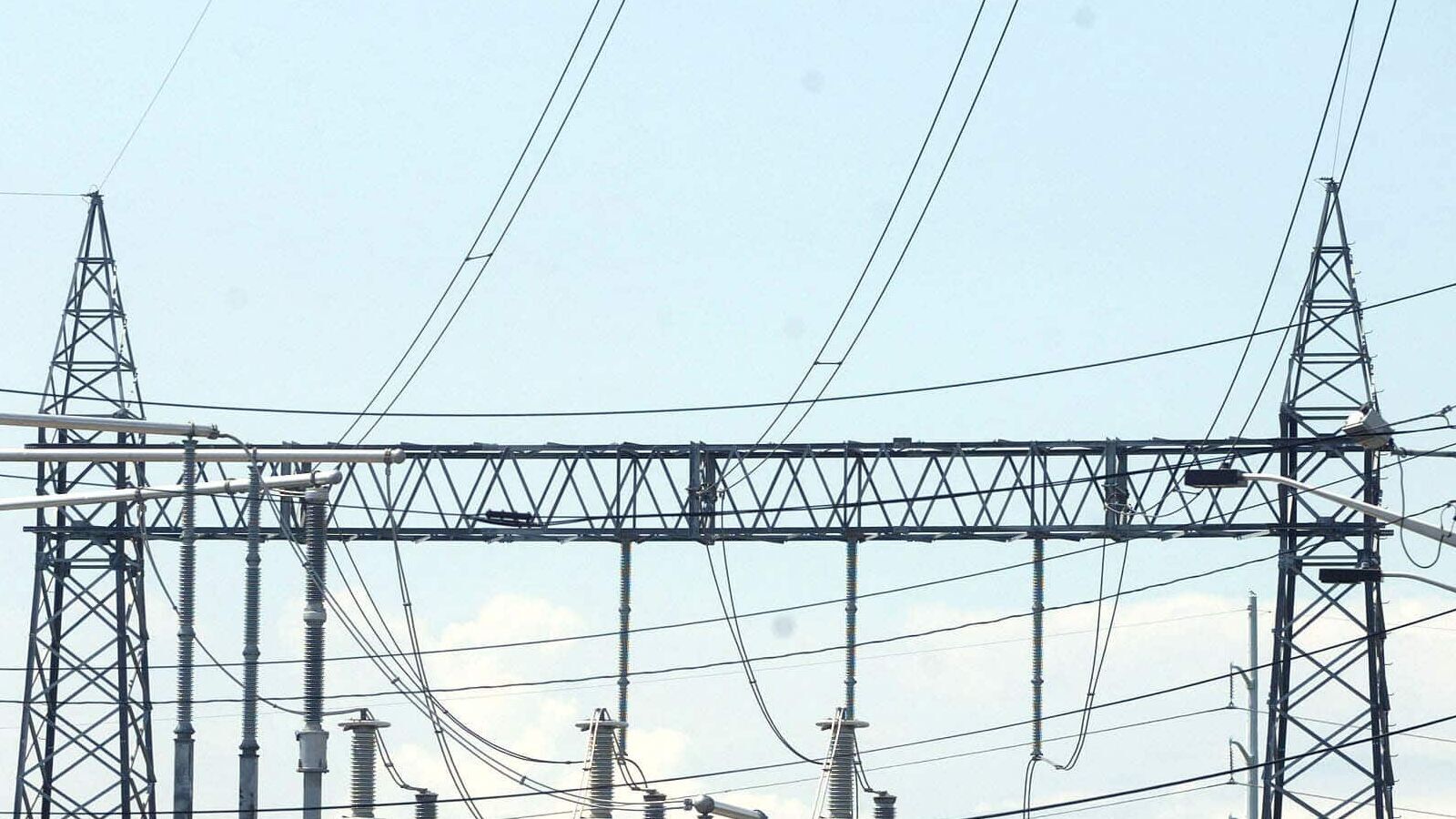

The India government on Saturday announced amendments to electricity regulations aimed at bringing greater clarity to captive power generation, particularly for industrial consumers.
The revised norms, notified under the Electricity (Amendment) Rules, 2026, seek to reduce regulatory ambiguity, simplify compliance and promote ease of doing business for companies operating captive power plants.
In a statement, the Ministry of Power, India said the amendments were finalised after extensive consultations with industry stakeholders.
Focus On Efficiency And Energy Transition
According to the ministry, generating electricity closer to the point of consumption can significantly reduce transmission losses while improving overall system efficiency.
Such measures are also expected to strengthen grid resilience and support India’s broader energy transition goals, particularly as industries increasingly shift towards clean and non-fossil fuel energy sources.
The government noted that a clearer framework for captive power generation is essential for enhancing industrial competitiveness and supporting long-term economic growth.
Key Changes Introduced In The Rules
The amendments introduce several changes aimed at simplifying the captive power framework.
1. Clearer Ownership Definition
The revised rules clarify that ownership of a captive generating plant can include:
- Subsidiaries
- Holding companies
- Other subsidiaries of the holding company
This change recognises modern corporate structures, where power assets are often developed through group entities or special purpose vehicles.
It ensures that legitimate investments by corporate groups are not denied captive status due to organisational structuring.
2. Relief From Surcharges For Captive Users
Under the new provisions, Cross-Subsidy Surcharge (CSS) and Additional Surcharge (AS) will not be levied on captive users if they submit the required declaration as per procedures issued by the National Load Despatch Centre (NLDC) for inter-state cases or the state nodal agency for intra-state cases.
However, if verification later shows that the plant does not qualify as a captive generating plant, the applicable surcharges must be paid along with carrying costs.
These costs will be calculated based on the base rate specified in the Electricity (Late Payment Surcharge and Related Matters) Rules, 2022.
3. Provision To Prevent Premature Charges
A new rule has been introduced to ensure distribution licensees cannot impose charges on captive consumers while verification of their captive status is still pending.
This step is expected to reduce disputes between industries and distribution companies.
4. Flexible Verification Process
The updated framework allows verification of captive status to be carried out for the entire financial year, providing greater operational clarity for industries.
5. Greater Flexibility For Group Captive Projects
The amendments also provide more flexibility for group captive projects formed through an Association of Persons (AoP).
Captive users will now be able to draw electricity according to their operational needs, provided they meet the required ownership and consumption criteria.
Boost For Industry And Clean Energy Adoption
With Indian industries increasingly adopting renewable and non-fossil fuel-based energy sources, the government believes a predictable and transparent regulatory framework for captive power generation will encourage further investment.
The updated rules aim to support industrial growth, energy security and sustainability goals, while reducing regulatory hurdles for companies investing in their own power generation capacity.