

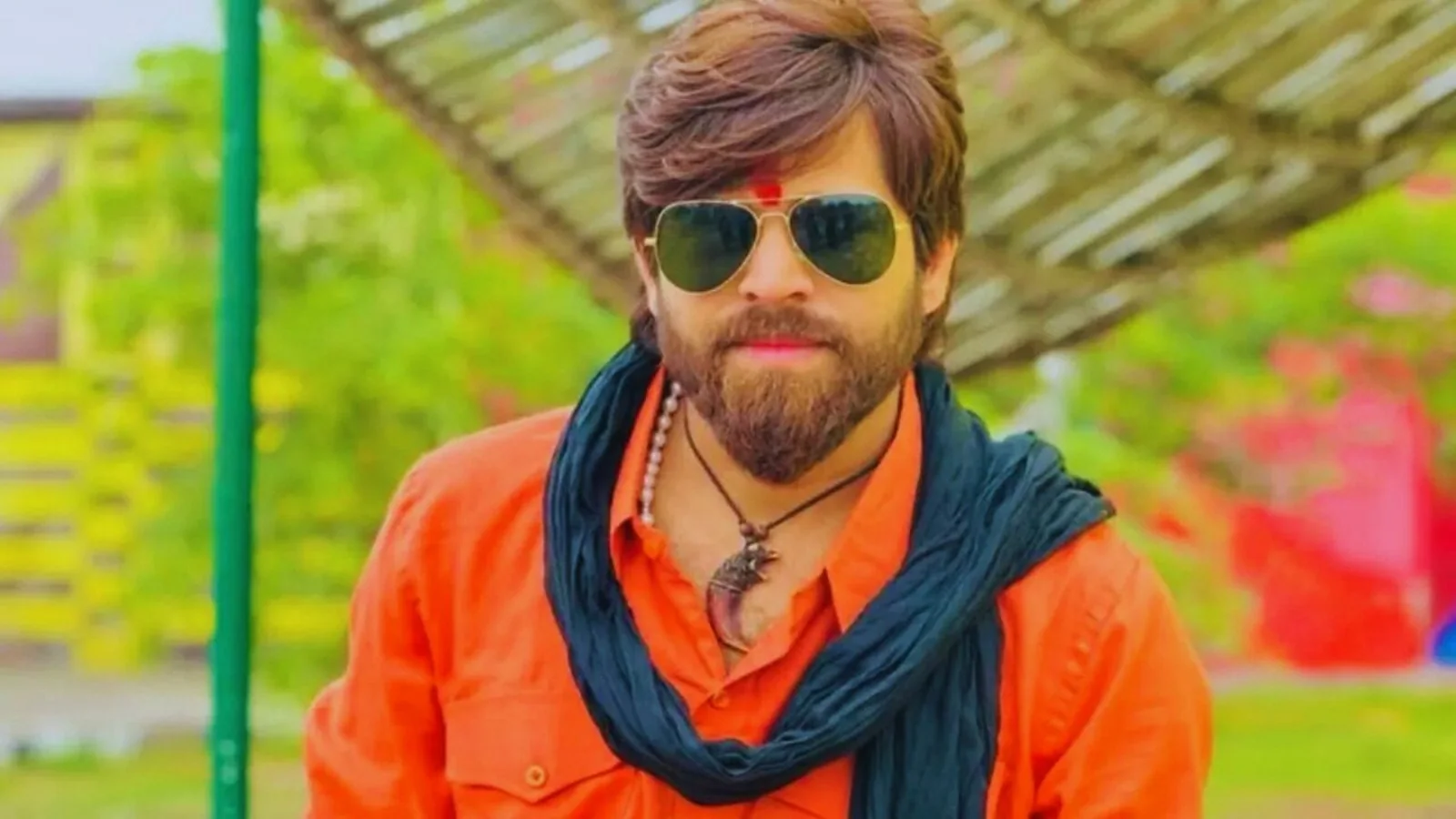

CHANDIGARH — Haryanvi singer Masoom Sharma is now the subject of a police probe. This follows a murder that occurred on the Panjab University (PU) campus months after the performance in which he participated. Sharma, who was one of the performers at the March 28 event, has been arrested for allegedly breaking performance rules and singing a song that officials think may have led to a violent fight that killed a student.
The University Institute of Engineering and Technology (UIET) in Sector 25 approved the performance, but only if it didn’t promote violence, drug use, alcohol, or gangster culture. Assistant Sub-Inspector (ASI) Surinder Singh, on the other hand, submitted a complaint saying that Sharma sang “Chambal ke Dakku” (Dacoits of Chambal), a song that is currently being looked at because of its violent undertones and praise of criminals. Sharma has been charged with violating Section 223 of the Bharatiya Nyaya Sanhita (BNS), which deals with not following an order that was properly issued by a public worker.
That same night, Aditya Thakur, a second-year computer science student at UIET, was slain on campus. Reports say that Thakur was allegedly beaten to death by people from outside the university after he spoke out against the effect of such stuff on the audience. There were three more students hurt in the fight. Since Thakur’s death, the police have detained four people in connection with it.
The incident has brought up the discussion again about how provocative music affects young people’s behavior, especially since the Haryana government banned more than 30 songs that were thought to encourage illicit behavior. Several of these banned songs have been attributed to Masoom Sharma, a well-known name in the area music scene. The Haryana government had ordered the removal of some of his songs from platforms like YouTube earlier in 2025. They said they were worried that they were fostering “gun culture” and violence. More than 250 million people have seen “Chambal Ke Daku” on YouTube, and it was one of the ones that was banned.
A magisterial investigation has been requested into Thakur’s murder. This investigation will look into what happened, find security flaws, and suggest Standard Operating Procedures (SOPs) for future events on campus. The inquiry report, which was sent in May, said that the organizers, the PU administration, and the UT Police all made mistakes. Students at Panjab University had protested, asking for accountability for the security failings that led to Thakur’s death.
Authorities are becoming more worried about how some types of music affect public order and the behavior of young people, which is why they booked Sharma. The exact link between Sharma’s performance and the deadly event is still being looked into.