

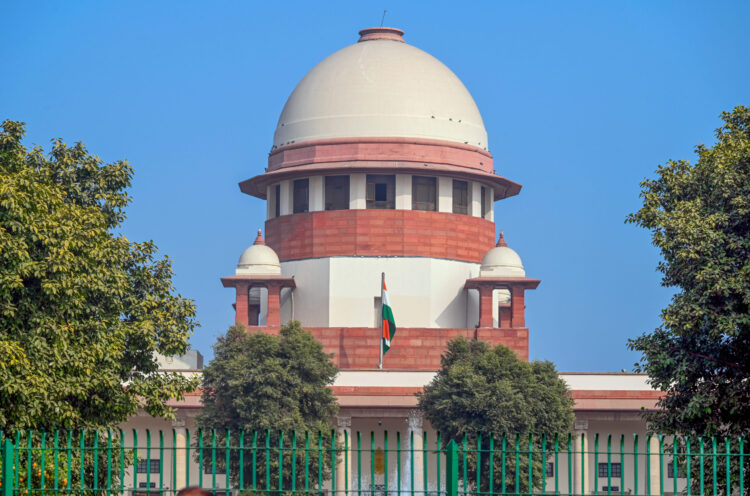

The Supreme Court of India on Friday observed that making menstrual leave mandatory at workplaces could unintentionally harm women’s career prospects, as companies might hesitate to hire them.
A bench led by Justice Surya Kant, who is currently serving as the Chief Justice of India, along with Justice Joymalya Bagchi, made the remarks while hearing a petition seeking mandatory menstrual leave for female students and working women across India.
Court’s Concern Over Job Opportunities
During the hearing, the court said that legally mandating menstrual leave could lead employers to avoid hiring women.
The Chief Justice remarked that if such leave becomes compulsory in law, employers might believe hiring women would lead to frequent absences and could instead prefer male candidates. According to the court, this could ultimately limit women’s employment opportunities.
The bench warned that such a policy might push employers to say women should “sit at home,” which would negatively impact their professional growth.
Voluntary Leave Policies Encouraged
However, the court also noted that it would be “excellent” if private companies voluntarily offered menstrual leave to employees.
The judges suggested that voluntary policies could provide support to women without creating legal barriers that might affect hiring decisions.
Debate Around Menstrual Leave
The demand for paid menstrual leave has been debated for years. Supporters argue that women should receive a few days of leave every month to manage menstrual pain and discomfort. They believe such leave should be separate from regular sick leave.
However, critics say making it mandatory could reinforce stereotypes that women are less capable or reliable at work.
Court’s View on Social Perception
The court also expressed concern that legally mandating menstrual leave might unintentionally label women as “inferior” or physically weaker, reinforcing stigma around menstruation instead of normalizing it.
The matter is still under consideration as the debate over workplace equality and health rights continues.