

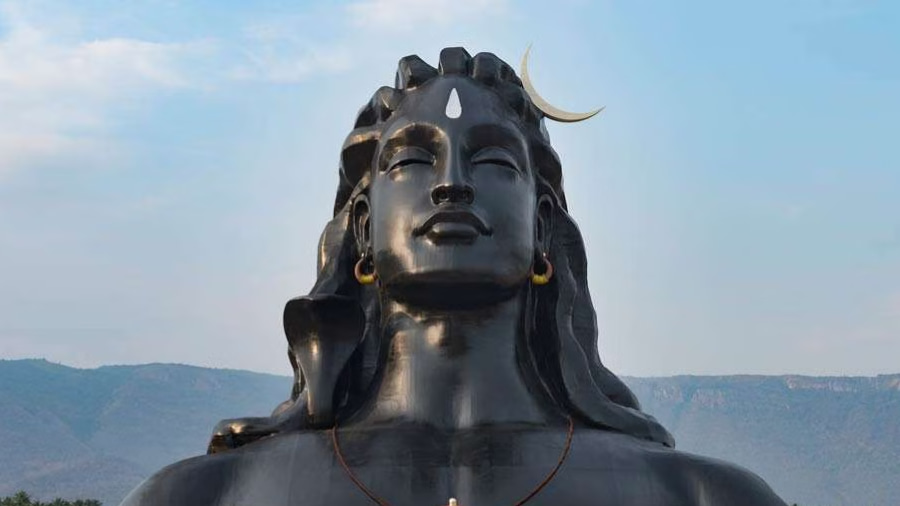

Mahashivratri, meaning the Great Night of Lord Shiva, is one of the most revered festivals in India’s spiritual and cultural traditions. Celebrated annually in February or March, the night is believed to be highly conducive for spiritual awakening, inner transformation, and alignment with cosmic energies.
Why Mahashivratri Is Observed
Every lunar month has a Shivratri that falls on the 14th day of the waning moon. Among the 12 Shivratris in a year, the one that occurs in late winter is called Mahashivratri, considered the most spiritually potent.
According to the Isha Foundation, planetary alignments during this night are believed to naturally elevate human energy levels in the northern hemisphere. Ancient sages recognized this phenomenon and established an all-night vigil tradition. Devotees remain awake with their spine upright, a posture said to help channel energy upward and support spiritual awakening.
Meaning Across Different Spiritual Paths
Mahashivratri holds varied significance for different people:
- For householders: It commemorates the divine union of Lord Shiva and Goddess Parvati, symbolizing balance, harmony, and marital bliss.
- For those seeking worldly success: The night is believed to mark Shiva’s victory over negativity and obstacles.
- For ascetics and yogis: It represents the moment Shiva merged with Mount Kailash, symbolizing absolute stillness and transcendence. In yogic tradition, Shiva is revered as the Adi Guru, the first teacher of yoga, who imparted spiritual wisdom to humanity.
Spiritual Significance of Mahashivratri
Beyond mythology, Mahashivratri symbolizes the possibility of experiencing unity with existence. In yogic philosophy, a yogi is someone who realizes this oneness. The night is seen as an opportunity for seekers to consciously experience deeper inner silence, stillness, and spiritual connection.
Four Prahar Puja Timings
Devotees traditionally worship through the night, dividing the observance into four prahars, or phases:
- First Prahar: 6:01pm to 9:09pm (15 February)
- Second Prahar: 9:09 pm (15 February) to 12:17am (16 February)
- Third Prahar: 12:17am to 3:25am (16 February)
- Fourth Prahar: 3:25am to 6:33am (16 February)
- The most significant period for worship, known as Nishith Kaal, will fall between 11:52 pm and 12:42 am on the intervening night of 15 and 16 February.