

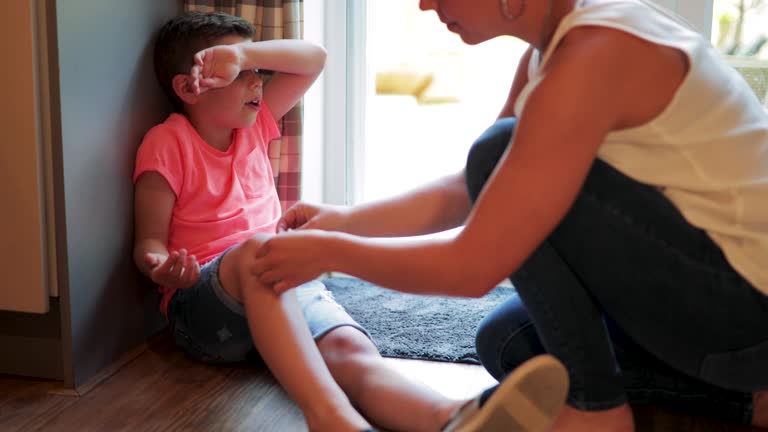

Many people think of joint pain as a problem for adults, but specialists say kids can also get major joint problems that can last a long time if they aren’t treated. It’s worrying that parents often ignore the first signs and call them “growing pains,” which puts off getting the medical help they need.
Dr. Poonam Chhillar, an Assistant Professor of Pediatrics at Shardacare Healthcity, told HT Lifestyle how parents can recognize the difference between normal developing pains and warning signs that something more serious might be going on, such Juvenile Idiopathic Arthritis (JIA).
Dr. Chhillar said, “It’s common for parents to call their kids’ occasional joint pain ‘growing pains,’ but it’s important to know when it could be something else.”
When Growing Pains Aren’t Just Growing Pains
Dr. Chhillar says that growing pains are frequent in kids aged 3 to 12. They usually feel like dull, short-lived aches in both legs, and they happen a lot in the evening or at night. But they shouldn’t include swelling, redness, or limping, which could mean inflammation, an injury, or a condition like Juvenile Arthritis, where the immune system assaults the joints.
7 Signs That Parents Should Be Aware Of
Dr. Chhillar says that putting off treatment can make it more likely that your joints will be permanently damaged or disabled. If you see any of these seven warning symptoms, you should see a doctor right away:
Persistent Joint Pain or Swelling
Pain that lasts more than a week or gets worse over time
Most obvious in big joints like the knees
Stiffness in the Morning
Hard to get out of bed
Stiffness after naps or sitting for a long time
Limping or Less Movement
A sudden limp or not being able to put weight on one leg
Limited movement in any joint
Pain in the bones that gets worse at night
Pain that is powerful enough to rouse a youngster up
Fractures that can’t be explained
Fractures occurring without damage or trauma may indicate bone fragility or metabolic bone disease.
Symptoms throughout the body
Joint pain accompanied with fever, rash, exhaustion, or unaccounted-for weight loss.
Could mean Juvenile Idiopathic Arthritis or an infection
A Joint That Is Red or Warm
If your joints are warm, swollen, or sore, it could be a sign of inflammation or infection.
Dr. Chhillar said, “If you wait too long to see a doctor, your child may be more likely to get chronic problems, joint damage, or a disability.”
Helping Kids Keep Their Joints Healthy
Dr. Chhillar says that parents should focus on proper nutrition and exercise from a young age to help their kids’ bones and joints grow strong.
“Make sure your child gets enough calcium and vitamin D, which are important for strong bones,” she said.
She also said that keeping a healthy weight puts less stress on bones and joints that are still growing.
“Encourage outside play, stretching, and workouts that make you carry weight. She went on to say, “Extra weight can put extra stress on growing joints.”
Important Point
If a youngster has joint pain, you should never just say it’s typical developing pain. This is especially true if the pain is accompanied by swelling, redness, or limping. Early medical care can keep your child from having long-term problems and help them stay mobile and have a good quality of life.
Disclaimer:
This page is only meant to give you information and should not be used instead of professional medical advice, diagnosis, or treatment. If you have any worries about your child’s health, you should always talk to a skilled healthcare professional.