

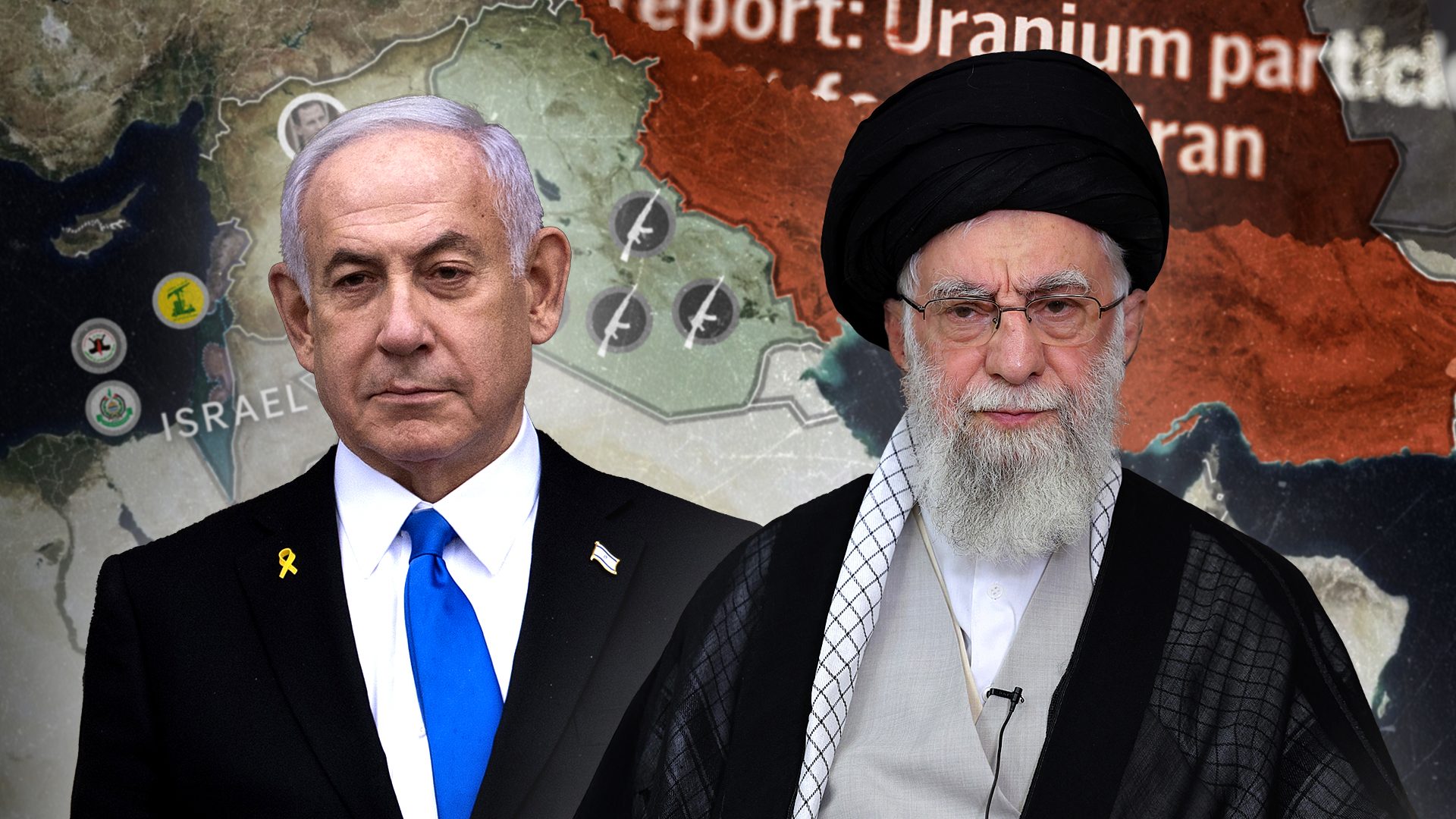

June 25, 2025 — Just hours after a fragile ceasefire was declared in the ongoing Israel-Iran conflict, tensions reignited Tuesday as Israel accused Iran of violating the truce by launching missile attacks. In response, Israeli Defense Minister Israel Katz announced the military had been directed to resume high-intensity operations targeting Iranian regime assets and terror infrastructure.
The ceasefire, brokered and announced by former U.S. President Donald Trump, appeared to unravel within hours of its declaration, sparking renewed fears of a broader escalation.
Contradictory Claims on Ceasefire Violation
While Israel claims Iran launched missile strikes after the ceasefire took effect, Iranian state-affiliated ISNA news agency denied the accusations, calling them “false.” In a strongly worded statement, Iran’s Supreme National Security Council said the country’s armed forces “have no trust in the words of its enemies” and will “keep [their] finger on the trigger to respond to any further act of aggression,” as reported by Fars News.
Trump’s Announcement and Initial Optimism
The ceasefire was formally announced by Trump late Monday via Truth Social, stating:
“THE CEASEFIRE IS NOW IN EFFECT. PLEASE DO NOT VIOLATE IT!”
The truce followed 12 days of intense conflict, sparked by Israel’s June 13 surprise strike targeting Iranian nuclear and missile infrastructure. Prime Minister Benjamin Netanyahu said Israel had achieved its objectives, and publicly thanked Trump and the U.S. for their “support in eliminating the Iranian nuclear threat.”
Iran’s Response to Ceasefire Terms
Iranian Foreign Minister Abbas Araqchi indicated Iran would halt retaliation starting 4:00 a.m. local time, provided Israel ceased further attacks. However, the overnight developments have cast doubt on Iran’s commitment, or possibly on miscommunication regarding the ceasefire’s terms.
Economic Impact and Uncertainty
The initial ceasefire announcement had a positive ripple effect on global markets, with stock indices rising and oil prices plunging, reflecting hope for regional stability. But the latest developments threaten to reverse those gains, as markets now brace for further geopolitical volatility.
What’s Next?
With Israel resuming strikes and Iran vowing readiness to retaliate, the region faces renewed uncertainty. As both nations exchange blame and military threats, international observers warn that the brief pause in hostilities may only have been a temporary lull in an escalating regional conflict.