

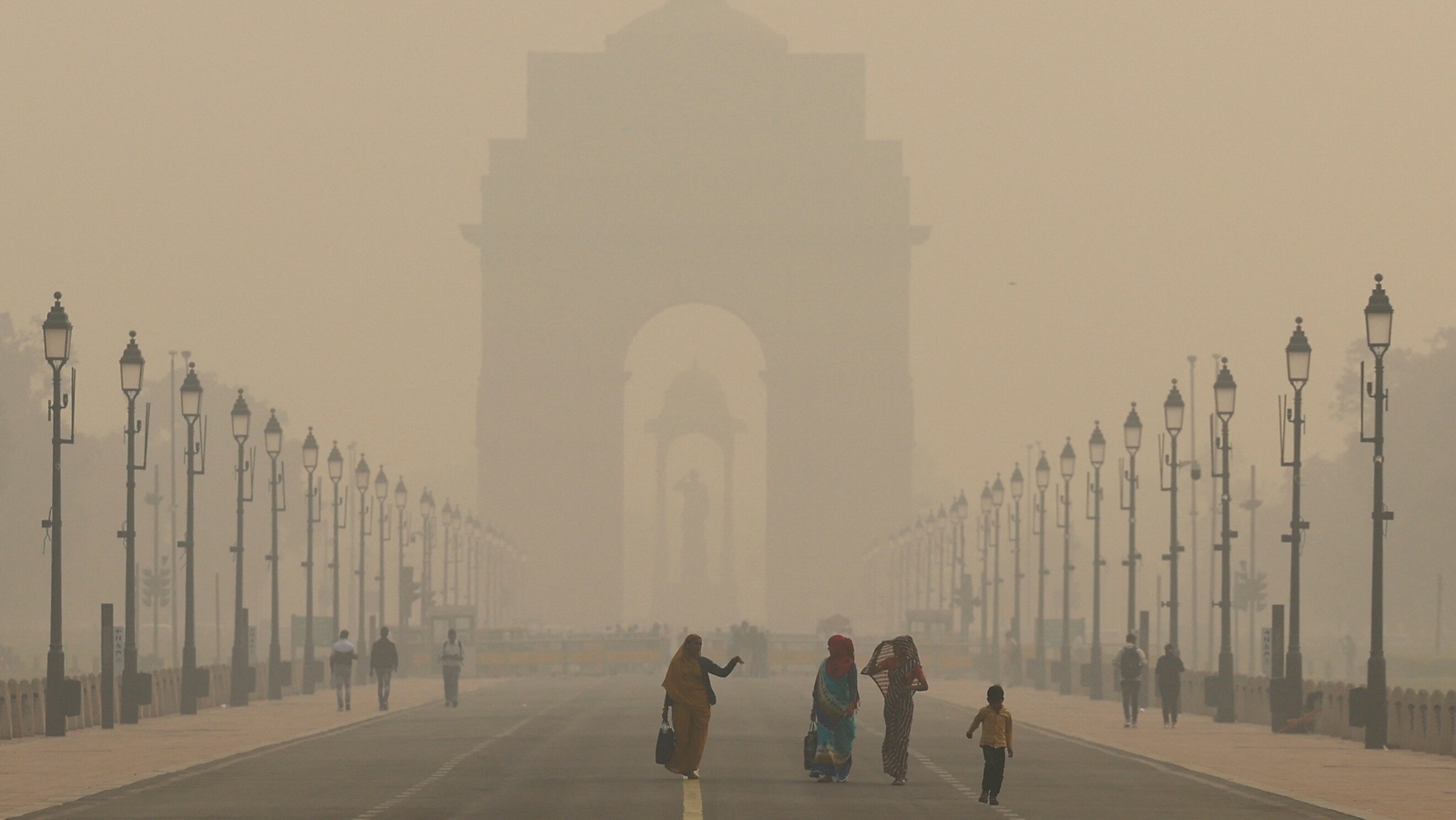

Delhi is once again grappling with choking pollution and biting winter cold, but the deeper threat may be far less visible — and far more persistent. New data suggests that simply living in the national capital could be quietly contributing to thousands of premature deaths every year.
According to the Delhi Statistical Handbook 2025, released on January 8, respiratory illnesses continue to be one of the city’s most enduring long-term health burdens. In 2024 alone, Delhi recorded 9,211 respiratory-related deaths, up from 8,801 in 2023 and 7,432 in 2022, indicating a steady upward trend.
This rise follows the extraordinary spike seen in 2021, when respiratory deaths surged to 14,442, largely driven by the Covid-19 pandemic. While mortality figures dropped back to pre-pandemic levels in subsequent years, the latest data suggests that respiratory deaths are once again inching upward.
A Persistent Pattern, Not a New Crisis
A longer view of the data reinforces that this is not a sudden emergency, but a deeply entrenched problem. Between 2016 and 2020, Delhi consistently recorded 7,500 to 8,500 respiratory deaths annually. The pandemic disrupted this pattern, but the current numbers indicate the city has largely returned to its earlier baseline — one marked by chronically high respiratory mortality.
Over the nine-year period from 2016 to 2024, Delhi recorded more than 80,000 deaths caused by respiratory diseases. This makes respiratory illness the third-largest medically certified cause of death in the city.
Only circulatory diseases and infectious and parasitic diseases have claimed more lives. In comparison, deaths due to cancer, digestive disorders, and several other disease categories remain significantly lower, underscoring the scale and persistence of Delhi’s respiratory health crisis.
How Respiratory Deaths Compare to Other Causes
The latest annual figures further highlight this hierarchy. In 2024, circulatory diseases — including heart-related conditions — caused over 21,000 deaths, making them the leading cause of mortality in the capital. Infectious and parasitic diseases followed, with respiratory illnesses ranking third, well ahead of many other major disease groups.
The Role of Air Pollution
Public health experts have long drawn a direct link between Delhi’s respiratory disease burden and chronic exposure to toxic air pollution. Every year, particularly during winter, air quality in the city repeatedly breaches safe limits.
A dangerous mix of fine particulate matter, vehicle emissions, industrial pollution, construction dust, and crop-burning smoke becomes trapped close to the ground due to weather conditions. Prolonged exposure damages lung tissue, weakens immune defences, and increases susceptibility to both infections and long-term conditions such as asthma, chronic obstructive pulmonary disease (COPD), bronchitis, and pneumonia.
Beyond Seasonal Spikes
The health impact goes far beyond short-term breathing difficulties or seasonal hospital admissions. Environmental risks intersect with dense population, inconsistent access to timely healthcare, and limited long-term management of chronic respiratory conditions.
Each pollution episode worsens underlying illnesses, gradually increasing mortality over the course of the year. The effect is cumulative — years of exposure translate into declining lung function and heightened vulnerability, especially among children, the elderly, and those with pre-existing conditions.
A Long-Term Public Health Emergency
Delhi’s respiratory crisis, then, is not merely about winter smog or emergency pollution alerts. It reflects a deeper, long-standing pattern — one where the city’s air has become inseparable from the health outcomes of its residents.
Breathing in Delhi is no longer just a biological necessity. It has become a public health challenge, shaping life expectancy and mortality in ways that are steady, predictable, and deeply troubling.