

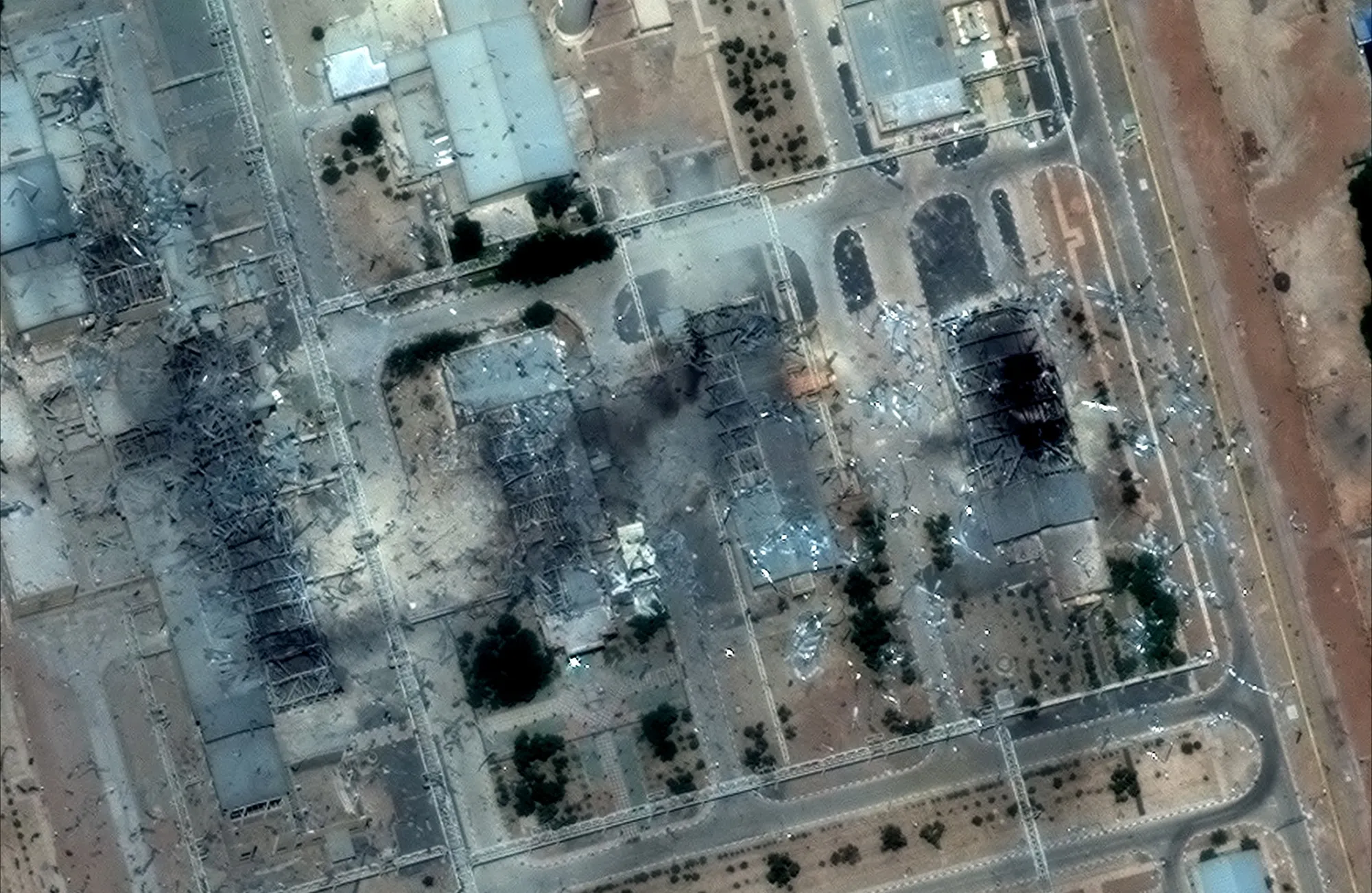

TEHRAN / WASHINGTON — Despite two years of targeted military operations by the United States and Israel, new intelligence assessments from March 2026 suggest that Iran’s nuclear ambitions have been delayed rather than destroyed. While surface facilities have suffered significant damage, Tehran’s “nuclear core”—including its scientific expertise and underground assets—remains largely intact.
1. Timeline of the Strikes (2025–2026)
The campaign to neutralize Iran’s nuclear pathway has unfolded in two major phases:
- June 2025: Israel launched the first wave of massive airstrikes targeting enrichment and weaponization sites.
- Late 2025: U.S. forces followed with “bunker-buster” munitions aimed at deeper infrastructure.
- Early 2026: Subsequent strikes have focused on disrupting reconstruction efforts, though analysts from the International Institute for Strategic Studies (IISS) note that while sites like Natanz and Isfahan were hit, the most sensitive underground sections likely survived.
2. The “Missing” Uranium Stockpile
A primary concern for global security is the status of Iran’s highly enriched uranium (HEU).
- The Pre-War Status: Before June 2025, Iran held approximately 400 kg of 60% enriched uranium—a level just a short technical step from weapons-grade.
- Visibility Gap: During the fog of the 2026 conflict, international inspectors reportedly lost track of this stockpile. Intelligence suggests the material may have been moved to “black sites” or deep-mountain fortifications to prevent its destruction or seizure.
3. Adaptation: The Shift to “Fortress” Facilities
In response to the aerial campaign, a February 2026 report by the Alma Research and Education Center indicates a strategic shift in Iranian nuclear engineering:
- Deep Hardening: Accelerated construction of ultra-deep facilities near Natanz designed to withstand even the most advanced conventional explosives.
- Tunnel Sealing: Sensitive equipment, including advanced centrifuges, has been relocated into a vast network of tunnels, with entrances being sealed or camouflaged.
- Reconstruction: Engineering teams are already clearing debris at hit sites, signaling that Tehran has the technical know-how and materials to rebuild despite heavy sanctions.
4. Doctrine Shift: Calls for “The Bomb”
The conflict, combined with the death of Supreme Leader Ali Khamenei on February 28, 2026, has shifted the internal political landscape in Tehran.
- NPT Withdrawal: Hardline figures, including Mohammad Javad Larijani, are openly advocating for Iran to suspend its membership in the Non-Proliferation Treaty (NPT).
- Open Weaponization: Public discourse in Iran has shifted from “peaceful energy” to a survivalist debate over the necessity of a nuclear deterrent to end the ongoing war with the U.S. and Israel.
Status Assessment: Iran Nuclear Program (March 2026)
| Component | Status | Impact of Strikes |
| Surface Infrastructure | Heavily Damaged | High (Delayed production) |
| Underground Enrichment | Operational | Low to Moderate (Survivable) |
| Scientific Expertise | Intact | None (Knowledge cannot be bombed) |
| 60% HEU Stockpile | Relocated | Critical (Breakout time remains short) |