

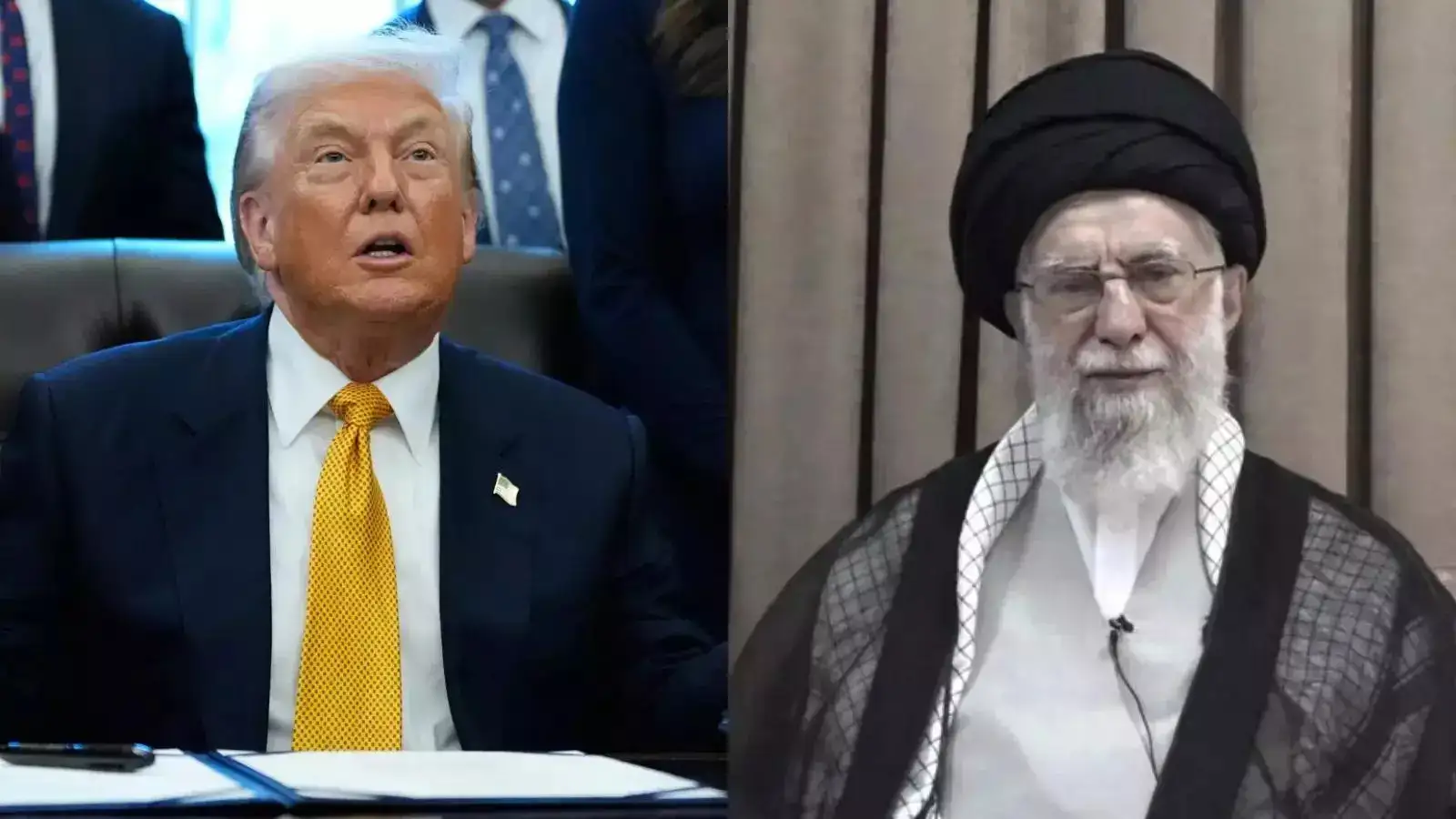

The second round of indirect nuclear negotiations between Iran and the United States concluded in Geneva after nearly four hours of discussions, with both sides acknowledging progress but stopping short of reaching a final agreement.
According to media reports, the talks were hosted at the Omani consulate and mediated by Oman, with the two delegations exchanging written messages rather than meeting directly. Teams of nuclear, legal and economic experts also participated in the process, reflecting the technical and political complexity of the negotiations.
Who Led the Delegations?
The Iranian delegation was led by Foreign Minister Abbas Araghchi, while the United States was represented by special envoy Steve Witkoff and senior adviser Jared Kushner.
Before the indirect exchanges began, both delegations held separate meetings with Omani Foreign Minister Badr Al Busaidi, who played a key mediating role in facilitating the dialogue.
“Path for a Deal Has Started,” Says Iran
Following the conclusion of the talks, Abbas Araghchi described the discussions as “serious and constructive” and said that a “path for a deal has started,” according to Al Jazeera.
He noted that both sides had reached an understanding on the main principles that could serve as the foundation for a future agreement. However, he cautioned that major differences still exist and that drafting a comprehensive deal would take time.
Araghchi added that no specific date has been set for the next round of talks, as both sides will now work on draft texts before scheduling further negotiations.
Key Differences Between Iran and the US
Media reports indicate that Iran reiterated it does not seek nuclear weapons and emphasized its rights under the Nuclear Non-Proliferation Treaty (NPT) to pursue peaceful nuclear energy, including uranium enrichment.
Tehran has firmly rejected the idea of zero enrichment, stating it is willing to negotiate limits on its nuclear programme only in exchange for meaningful sanctions relief.
Meanwhile, the United States reportedly wants to expand the scope of the talks to include Iran’s ballistic missile programme, a proposal that Tehran has strongly opposed.
Araghchi Criticises US Policies and Past Actions
Speaking later at a disarmament conference in Geneva, Araghchi urged the United States to stop threatening the use of force against Iran. He also criticised Washington’s 2018 withdrawal from the Joint Comprehensive Plan of Action (JCPOA), calling it a violation of an internationally endorsed agreement.
Araghchi further condemned US and Israeli strikes on Iranian nuclear facilities in June last year, arguing that they undermined trust and violated international law.
Regional Tensions Add Pressure to Talks
The negotiations are taking place amid heightened tensions in the Middle East and an increased US military presence in the region. While both sides have acknowledged some progress, analysts say significant gaps remain on enrichment limits, sanctions relief and broader security issues.
For now, the future of a renewed nuclear agreement remains uncertain, with further rounds of negotiations expected to determine whether a breakthrough is possible.