

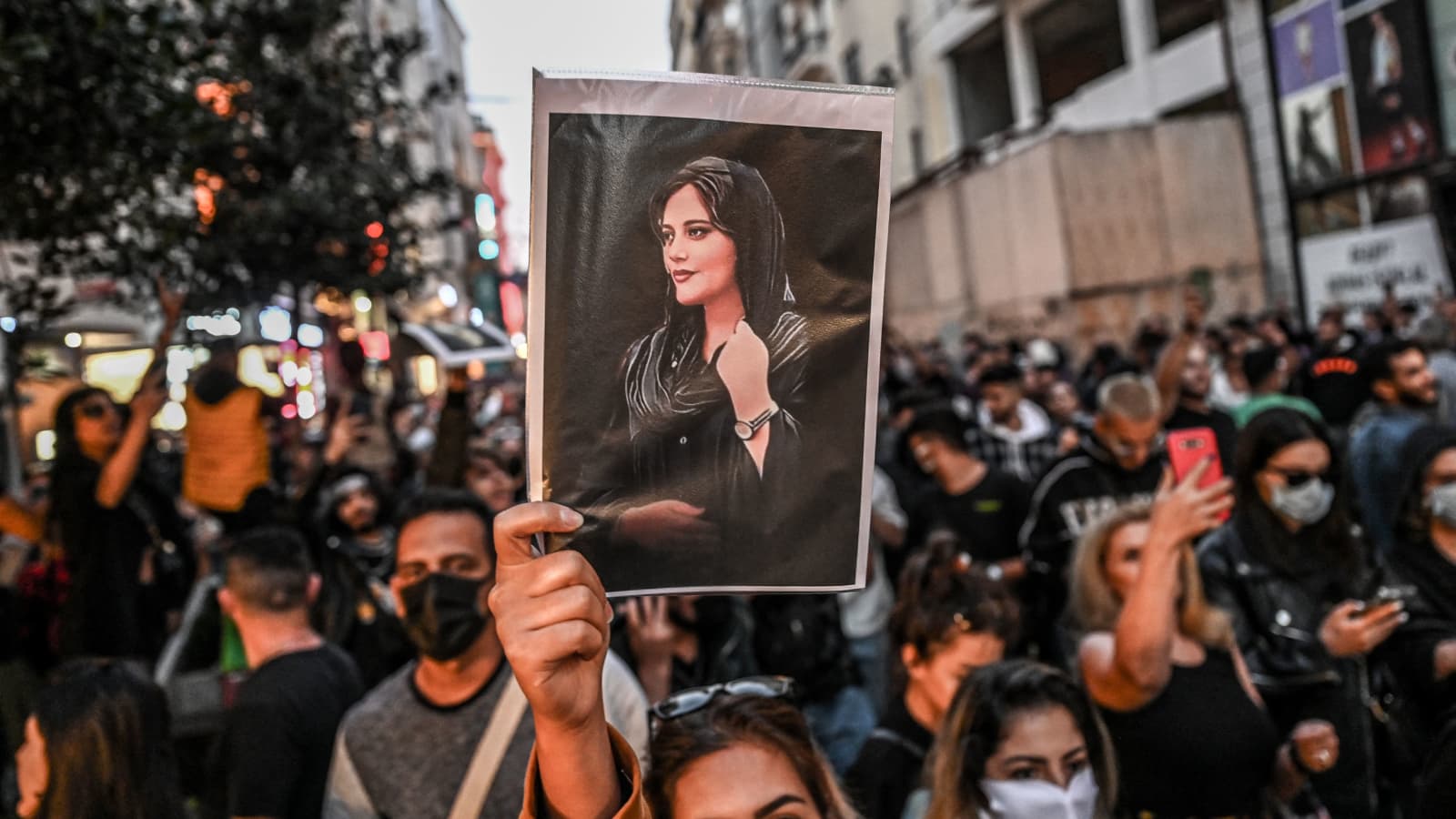

Tehran: Protests in Iran, initially sparked by economic grievances, have now spread nationwide, activists said on Thursday, marking the most widespread unrest since the 2022 demonstrations following Mahsa Amini’s death.
Wednesday was reportedly the most intense day, with protests reaching rural towns and major cities across every province. Despite the scale, daily life in Tehran and other major urban centers continued largely uninterrupted. According to the US-based Human Rights Activists News Agency, at least 38 people have been killed and more than 2,200 detained in connection with the demonstrations.
The protests are adding pressure on both Iran’s civilian government and Supreme Leader Ayatollah Ali Khamenei. Authorities have not yet imposed a full internet shutdown or deployed security forces on the scale seen in 2022, but escalation remains possible.
While largely leaderless, the protests have drawn attention from Iran’s exiled crown prince, who has called for demonstrations, though it remains unclear how much influence these messages have on protesters on the ground. Nate Swanson of the Atlantic Council noted that Iran’s lack of viable political alternatives has historically weakened such movements, as potential leaders have been persecuted or exiled.
Wednesday alone saw at least 37 protests nationwide. Online videos from Shiraz showed anti-riot trucks using water cannons on demonstrators. State media IRNA reported mass demonstrations in Bojnourd, Kerman, and Kermanshah. Meanwhile, Fars and Mizan news agencies reported fatalities among security personnel, including a police colonel stabbed near Tehran and two security members killed in Lordegan.
Protests continued on Thursday, with merchants closing shops in Iran’s Kurdistan province. The reason for a measured government response so far remains unclear.
International reactions have emerged as well. Former US President Donald Trump warned that America would intervene if protesters were violently suppressed. Iran’s Foreign Ministry dismissed the warning as “hypocritical,” citing a long history of US interference in Iran’s internal affairs. Despite the rebuke, the US State Department highlighted videos showing demonstrators using symbolic gestures against the government, including discarding subsidized rice.
The unrest signals both the endurance and intensity of public dissent in Iran, highlighting deep economic frustrations and ongoing challenges to the country’s leadership.