

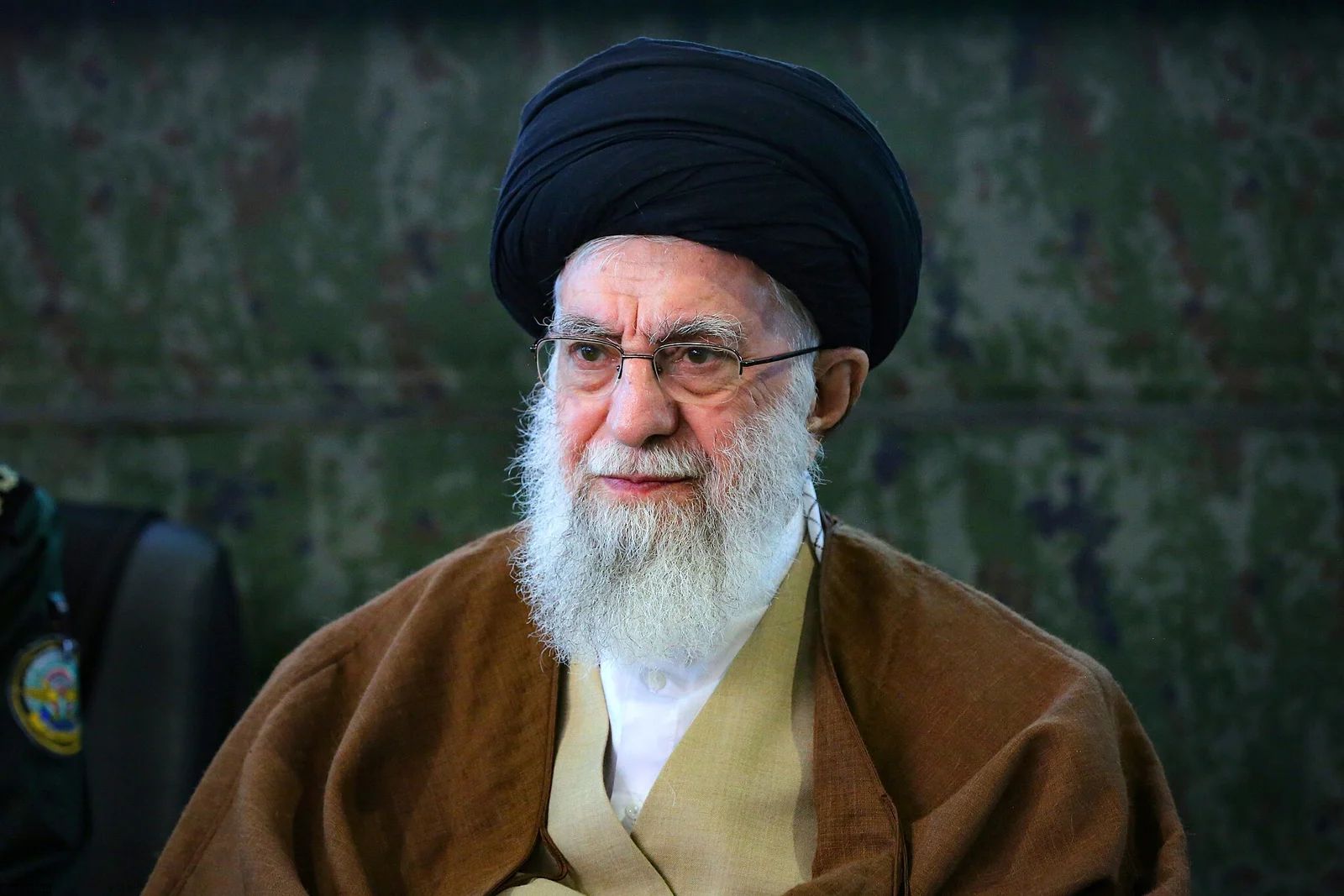

Jerusalem: Israel’s Foreign Minister Gideon Sa’ar has said that neither Israel nor the United States will decide who leads Iran following the assassination of Supreme Leader Ayatollah Ali Khamenei, asserting that the choice must rest with the Iranian people.
In an interview , Sa’ar responded to questions about whether the US and Israel risk leaving Iran in chaos after Khamenei’s killing, or whether a civilian leadership transition was being planned.
“Not Israel, not the US will decide who will lead the Iranian people. I think it is for the Iranian people to choose within a fair, free election process,” Sa’ar said. However, he added that such a process cannot take place while the current regime remains powerful.
‘We Need to Weaken the Regime’
According to Sa’ar, dismantling the regime’s grip on power is a prerequisite for any democratic transition.
“The fair and free election process will not happen when this regime is still powerful. We need to weaken them to an extent that a transition is possible. And this is what we aim to do,” he stated.
His remarks come amid intensifying military action between Iran and the US-Israel alliance, following coordinated aerial strikes under what Israeli officials have described as a decisive operation targeting Iran’s leadership and military infrastructure.
Nuclear and Missile Programs Called ‘Existential Threat’
Sa’ar defended the timing of the operation, arguing that delaying action would have allowed Tehran to fortify its nuclear and ballistic missile facilities deep underground, beyond the reach of future strikes.
He described Iran’s nuclear and missile programs as an “existential threat” to Israel, claiming that inaction would have effectively granted Tehran immunity.
“Since we thought time was of essence, we took into consideration the expectations of the Iranian people that fought bravely for freedom but reasonably cannot achieve it without any help from outside. So this is why we decided with our American friends that we must act,” he said.
The US-Israel offensive—reportedly launched under “Op Epic Fury”—began early Saturday with aerial strikes over Tehran, including a secure compound where Khamenei was said to be present. The Iranian Supreme Leader was later declared killed by Israeli authorities, though independent confirmation remains limited.
Iran Retaliates; Gulf Cities See Explosions
Iran responded with a large-scale missile barrage, with projectiles reportedly crossing Gulf airspace and triggering explosions in several cities, including Dubai, Abu Dhabi, Doha, and Manama. The conflict has now entered its third day, with both sides continuing strikes.
Sa’ar maintained that waiting longer would have made the situation “more dangerous,” reiterating that decisive action was necessary to prevent Iran from consolidating its strategic capabilities.
As the region braces for further escalation, global leaders are closely watching whether the confrontation will expand into a broader regional conflict—or open the door to internal political transformation in Iran.