

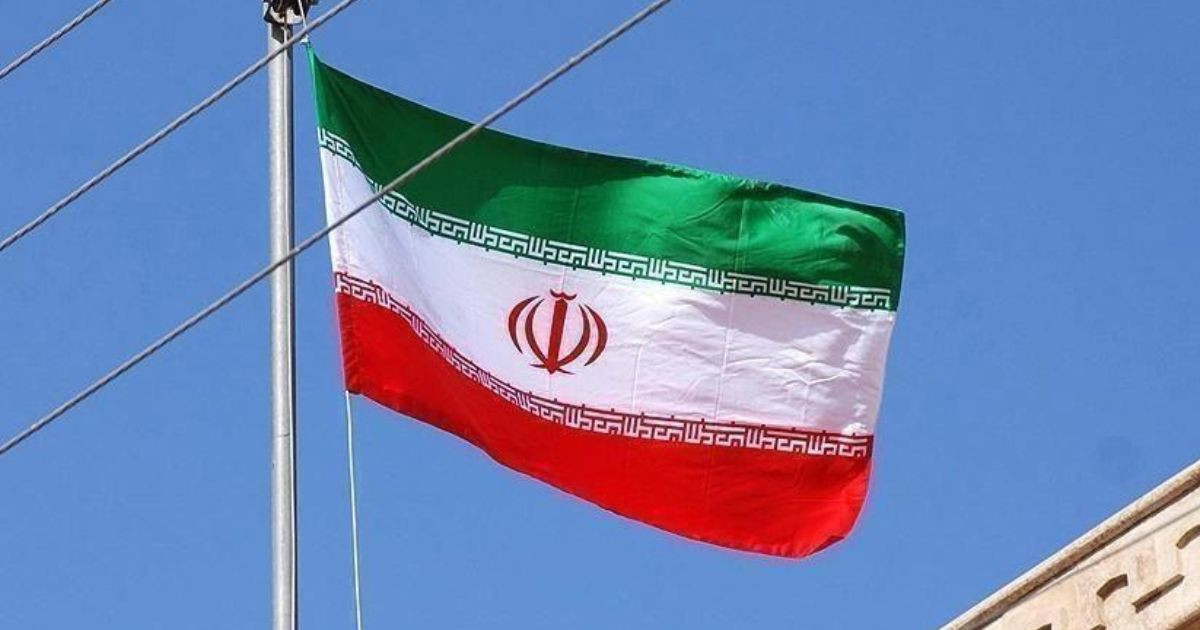

Iran has signed a law to join a United Nations convention against funding terrorism, which is a big change in policy, according to local news reports on Wednesday. People think this is part of Tehran’s bigger plan to get back into the global banking system and ease the growing economic pressure created by years of crushing sanctions.
The move is a big step for President Masoud Pezeshkian’s government, which took office last year with the goal of improving Iran’s relationships with other countries and getting rid of the sanctions that have hurt the economy.
Following FATF Rules
Iran’s most recent action is meant to bring it in line with the Financial Action Task Force (FATF), which is the worldwide organization that keeps an eye on money laundering and terrorism financing. The FATF put Iran on its blacklist in 2020, along with North Korea and Myanmar. This made Iran even more cut off from the global financial system.
The Tasnim News Agency says that “President Masoud Pezeshkian has announced… the law on the Islamic Republic of Iran’s accession to the International Convention for the Suppression of the Financing of Terrorism (CFT).”
Tehran is on the FATF blacklist, and the U.S. has put tough sanctions on the country. This has made it very hard for Iran to trade and do business with other countries. Iranian officials think that joining the CFT, which is one of the FATF’s main requirements, will help them get off the blacklist and make it easier for them to work together financially with allies and international organizations.
Opposition at home and political debate
The move has sparked a lot of political controversy in Iran. Ultra-conservative groups say that joining the CFT could make the country’s financial activities known to “enemy nations” and put national security at risk. This is especially true since Tehran has long supported groups like Hamas, Hezbollah, and Yemen’s Houthis, all of which the US calls “terrorist organizations.”
Reformists and moderates say that following FATF rules is necessary to reconnect Iran to the world economy, even though some people disagree. Mahdi Shahriari, an Iranian politician, recently said that Iran’s lack of participation in the FATF had “made things harder” for commerce, especially with close partners like Russia and China.
The economic and diplomatic situation
Because U.S. and UN sanctions are still in place, it’s not obvious what the immediate economic effects of Iran’s FATF compliance will be. Still, experts think this move might provide Tehran a stronger position in future talks and show that it is eager to work with the rest of the world in a more positive way.
Reports say that an Iranian official went to a FATF meeting in Paris for the first time in six years, which shows that Iran is once again interested in working with the group.
The choice also comes at a time when tensions are high in the area. After months of diplomatic gridlock over Iran’s nuclear program, which got worse after Israeli and U.S. strikes on Iranian nuclear facilities in June, the United Nations put sanctions back on Iran in September.
Iran’s joining the UN convention against terror financing is a big step toward stabilizing its economy and rebuilding trust with international partners, even though the road to complete financial reintegration is still long.