

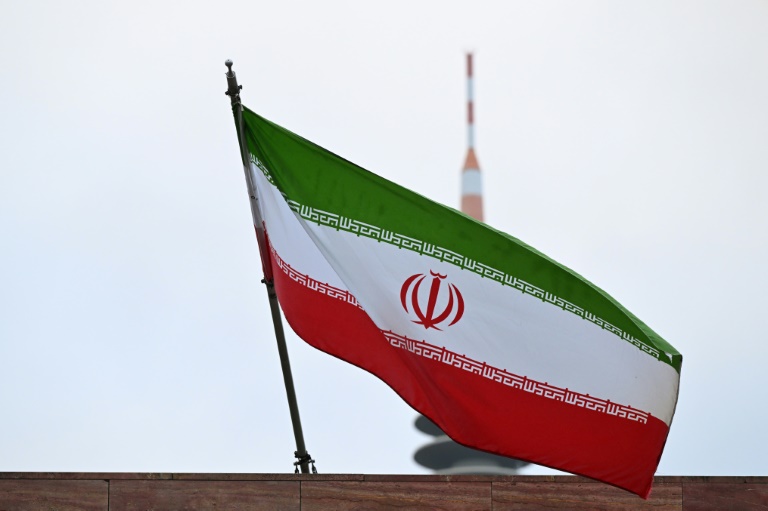

Iran announced on Monday that it has hanged a man accused of spying for Israel, marking the latest execution in what activists describe as the country’s largest wave of executions in decades.
The executed man was identified by Iranian authorities as Bahman Choobiasl. Details of his case were not immediately known through typical Iranian media channels or to activists who monitor the death penalty in the Islamic Republic. However, his execution comes just days after the United Nations reimposed sanctions on Tehran over its nuclear program, a move that prompted Iran to vow a stern confrontation with its enemies.
Accusations of Contact with Mossad
Iran’s judiciary official mouthpiece, the Mizan news agency, accused Choobiasl of meeting with officials from the Israeli spy agency Mossad. The agency reported that Choobiasl had worked on “sensitive telecommunications projects” and provided information regarding the “paths of importing electronic devices.”
Since its conflict with Israel began in June, Iran is known to have executed a total of nine people for espionage. That conflict saw Israel wage an air campaign that killed approximately 1,100 people, including a number of military commanders, to which Iran responded by launching missile barrages targeting Israel.
Earlier in the month, Iran also executed Babak Shahbazi on similar allegations of spying for Israel. However, human rights activists disputed that charge, stating that Shahbazi was tortured into a false confession after he had written a letter to Ukrainian President Volodymyr Zelenskyy offering to fight for Kyiv.
Record Execution Rate
The current pace of executions is part of a broader crackdown by the Iranian regime following recent nationwide protests. These protests have been fueled by deep-seated anger over the flagging economy, demands for women’s rights, and increasing calls for change to the country’s theocratic government.
In response to both the protests and the June war, Iran has been putting prisoners to death at a rate unseen since the mass executions of 1988 at the end of the Iran-Iraq war. Monitoring groups, including the Oslo-based Iran Human Rights and the Washington-based Abdorrahman Boroumand Center for Human Rights in Iran, estimate that the number of people executed in 2025 has exceeded 1,000. They stress that this figure is likely an undercount, as the Iranian government does not publicly report on every execution.