

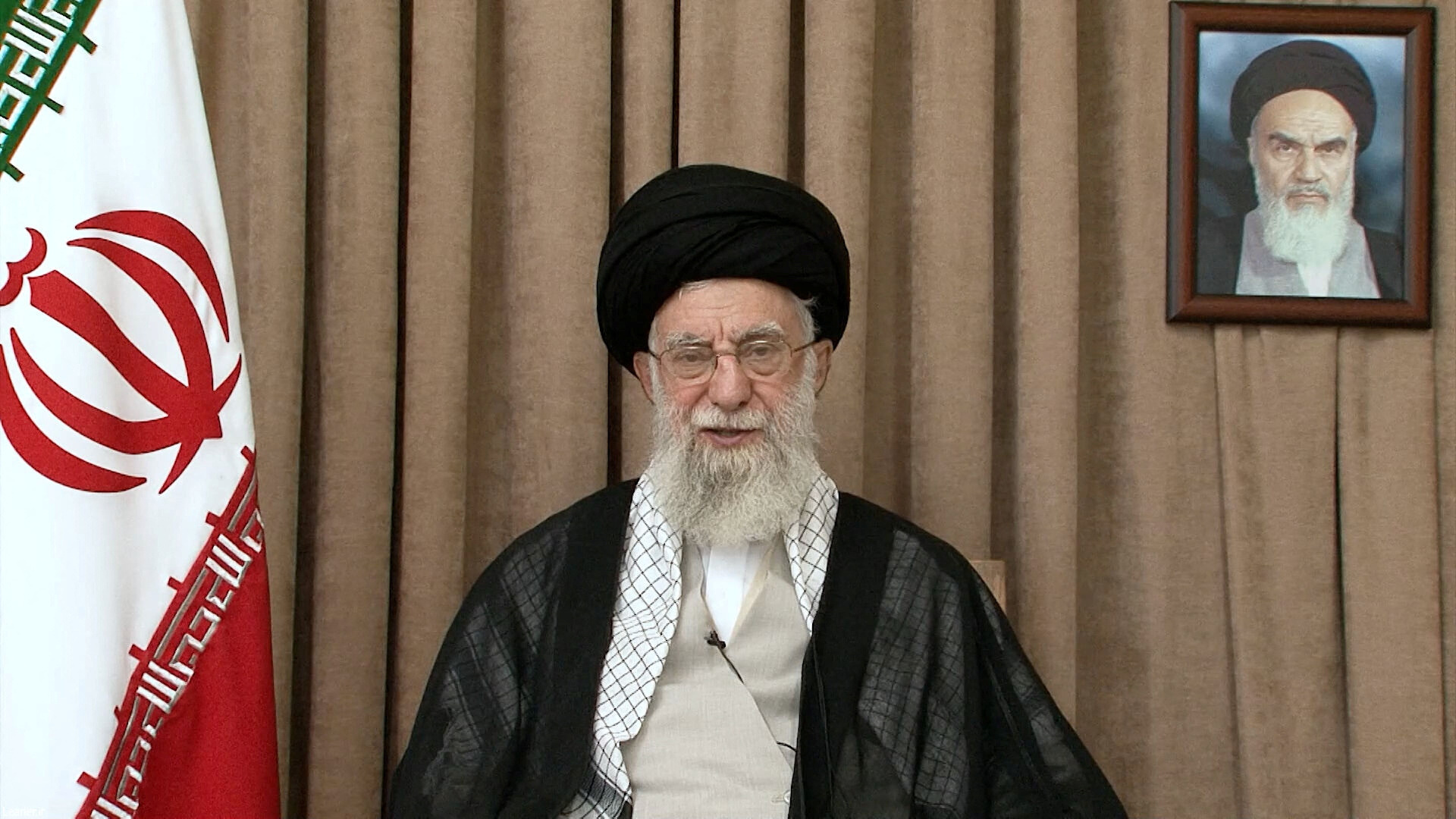

Iran’s Foreign Minister has dismissed reports circulating in sections of the Israeli media that Supreme Leader Ali Khamenei was killed in airstrikes carried out early Saturday, saying the 86-year-old cleric is alive.
The speculation began after Israel’s Channel 12, citing unnamed sources, reported there were “growing indications” that Khamenei may have been killed in the strikes. Several other Israeli outlets echoed the report, though many noted that official confirmation was still awaited.
Responding to the claims in an interview with NBC News, Iran’s Foreign Minister Abbas Araghchi said the Supreme Leader was alive. “As far as I know, he is alive,” Araghchi stated, pushing back against the reports.
Strikes Targeted Areas Around Khamenei’s Office
The Israeli and U.S. military action against Iran reportedly began early Saturday morning. According to Israeli media, some of the initial strikes hit areas surrounding Khamenei’s office complex in Tehran, which also serves as his official residence.
Media reports claimed that both Khamenei and Iranian President Masoud Pezeshkian were among the intended targets of the operation. However, there has been no official confirmation from Israeli authorities that the Supreme Leader was killed.
A satellite image published by The New York Times appeared to show visible damage to parts of Khamenei’s compound in Tehran, fueling further speculation. Iranian officials have not publicly detailed the extent of the damage but indicated that the Supreme Leader had been moved to a secure location prior to or during the strikes.
Conflicting Narratives and Information War
The episode highlights the fog of information that often surrounds high-intensity military operations, particularly when senior political or military figures are believed to be targeted.
While Israeli Channel 12 cited unnamed sources for its claim, other outlets that carried the report cautioned that independent confirmation was lacking. As of now, there has been no official statement from Israel confirming Khamenei’s death.
Iranian authorities, meanwhile, have sought to project stability, quickly rejecting the reports and emphasizing that the country’s leadership remains intact.
Heightened Regional Tensions
The strikes mark a significant escalation in already heightened tensions between Israel and Iran. Targeting areas associated with the Supreme Leader — Iran’s highest-ranking political and religious authority — would represent a dramatic intensification of hostilities if confirmed as deliberate.
Khamenei, who has served as Iran’s Supreme Leader since 1989, holds ultimate authority over the country’s armed forces, judiciary, and key state institutions. Any credible report regarding his status would carry major regional and global implications.
For now, Iran maintains that its Supreme Leader is alive, and no independent verification has emerged to substantiate claims of his death.