

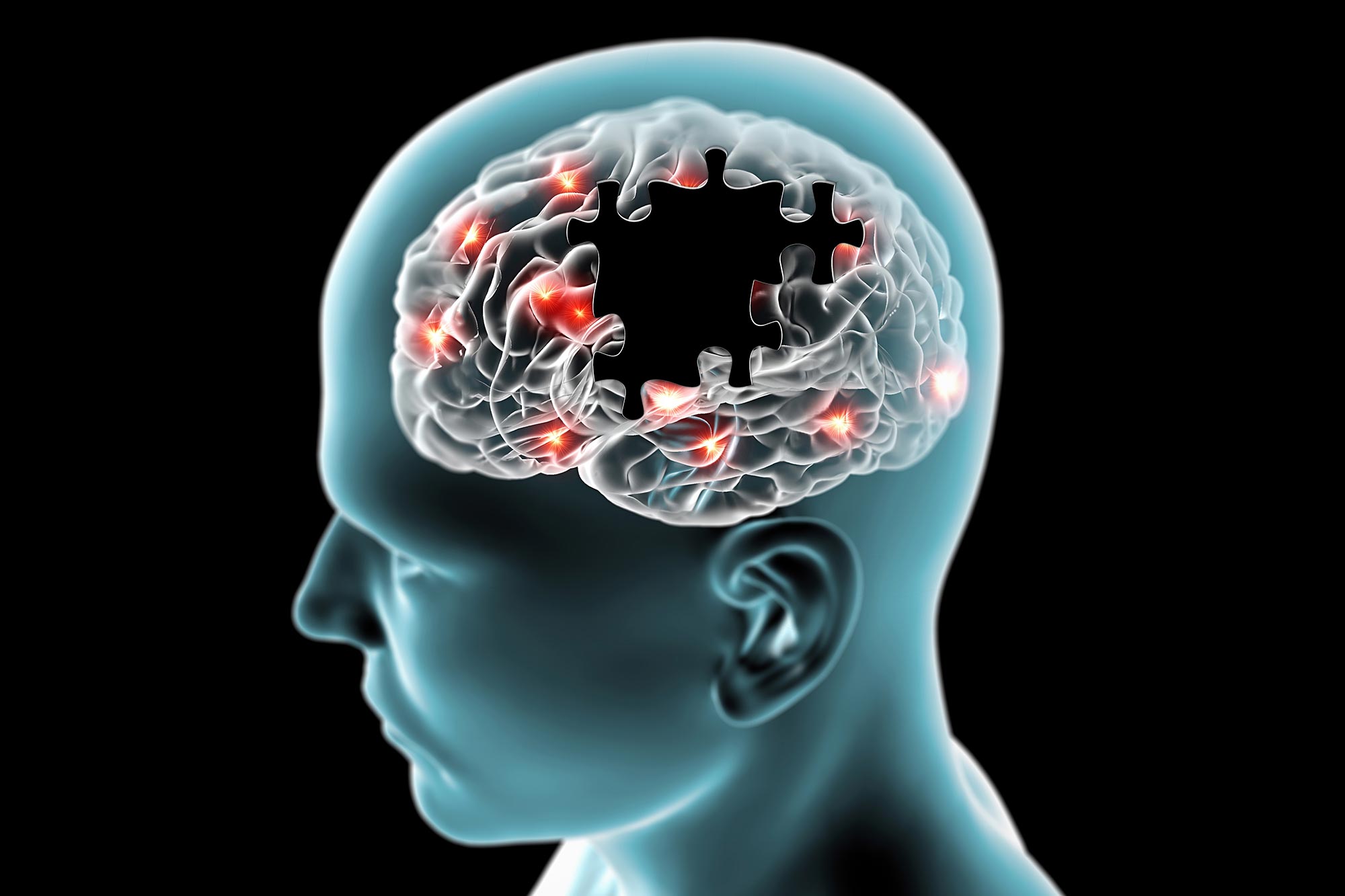

A major new study has found that adults who suffer from both insomnia and obstructive sleep apnea face a significantly higher risk of developing high blood pressure and cardiovascular disease (CVD) compared to those who have only one of the two conditions.
The research, conducted by scientists at the Yale School of Medicine and published in the Journal of the American Heart Association, analyzed health data from nearly one million post-9/11 U.S. veterans — making it one of the largest investigations into the combined impact of sleep disorders on heart health.
Cardiovascular diseases remain the leading cause of death globally. According to the World Health Organization, CVDs account for an estimated 19.8 million deaths annually — nearly 32% of all global deaths. Of these, 85% are caused by heart attacks and strokes.
The new findings suggest that improving sleep quality may be an important — and often overlooked — strategy for protecting heart health.
The Hidden Danger of COMISA
Researchers focused on individuals diagnosed with both insomnia and obstructive sleep apnea, a combination known as comorbid insomnia and sleep apnea (COMISA).
They discovered that people with COMISA had a particularly elevated risk of cardiovascular problems compared to those experiencing either condition alone.
Allison Gaffey, PhD, assistant professor of medicine (cardiovascular medicine) at Yale and the study’s first author, emphasized that sleep issues are often overlooked in heart disease prevention.
“We spend an enormous amount of time managing cardiovascular disease downstream, but far less time addressing more upstream modifiable risk factors,” Gaffey said. “Sleep disturbances, which are common in the veteran population, are often treated as secondary problems.”
Why Insomnia and Sleep Apnea Together Are So Harmful
Typically, insomnia and obstructive sleep apnea are diagnosed and treated separately. However, many individuals experience both at the same time — and the interaction between the two may amplify cardiovascular strain.
Insomnia makes it difficult to fall or stay asleep, while obstructive sleep apnea causes repeated pauses in breathing throughout the night. These breathing interruptions trigger frequent awakenings and reduce oxygen levels in the blood.
Gaffey offered a vivid comparison:
“These conditions don’t just coexist politely. Treating one while ignoring the other is a bit like bailing water out of a boat without fixing the leak.”
According to Andrey Zinchuk, MD, MHS, associate professor of medicine (pulmonary, critical care, and sleep medicine) at Yale and senior author of the study, sleep plays a foundational role in overall health.
“Sleep touches every single part of our existence. Oftentimes, it is neglected even though it has such an important impact on our lives.”
During healthy sleep, the heart and blood vessels are given time to rest, repair, and reset. When sleep is fragmented by awakenings, shortened duration, or breathing disruptions, the cardiovascular system loses critical recovery time. Without this nightly reset, blood pressure regulation, inflammation control, and vascular repair processes can become impaired.
Over time, this persistent strain may significantly raise the risk of heart disease.
Why Early Sleep Intervention Matters
The researchers aimed to determine whether COMISA influences cardiovascular risk early in life — rather than only contributing to complications decades later.
“We wanted to know whether COMISA mattered early in the cardiovascular risk trajectory, rather than decades later when disease is already established,” Gaffey explained.
She warned that ongoing sleep problems should not be dismissed as minor inconveniences.
“Over time, it places a measurable strain on your cardiovascular system.”
The authors recommend that healthcare providers evaluate sleep patterns as routinely as they check blood pressure, cholesterol, or blood sugar. Importantly, insomnia and sleep apnea should be assessed together, not in isolation.
Because sleep disorders are common, measurable, and treatable, early detection and intervention could meaningfully reduce the burden of cardiovascular disease.
Practical Steps to Protect Your Heart
In addition to addressing sleep disorders, experts recommend the following lifestyle strategies to reduce cardiovascular risk:
1. Follow a Heart-Healthy Diet
Choose whole foods such as fruits, vegetables, whole grains, nuts, and seeds. Limit salt, processed foods, trans fats, and added sugars. This helps manage cholesterol, control blood pressure, and prevent arterial blockages.
2. Exercise Regularly
Aim for 30–60 minutes of moderate activity most days of the week — brisk walking, cycling, swimming, or yoga. Physical activity strengthens the heart, improves circulation, lowers blood pressure, and helps maintain a healthy weight.
3. Quit Smoking
Avoid tobacco in all forms, including secondhand smoke. Smoking damages blood vessels, raises heart rate, and lowers oxygen supply. Quitting can rapidly improve vascular health and significantly lower heart risks.
4. Monitor Key Health Indicators
Regular screenings for cholesterol, blood pressure, and blood sugar are essential. Tests such as lipid profiles and ECGs can detect silent damage early. Manage abnormal levels through lifestyle changes and medications if prescribed.
5. Prioritize Sleep and Stress Management
Aim for 7–8 hours of quality sleep per night. Good sleep reduces inflammation and stabilizes blood pressure. Incorporate stress-relief practices such as yoga, meditation, and deep breathing to regulate stress hormones and support heart recovery.
6. Limit Alcohol Intake
Drink in moderation or avoid alcohol altogether, as excessive intake can increase blood pressure and damage blood vessels.
The Bigger Picture
This study reinforces a growing understanding in medical science: sleep is not a luxury — it is a critical pillar of cardiovascular health.
By identifying and treating insomnia and sleep apnea together, healthcare providers may be able to intervene earlier in the disease process, potentially preventing thousands of heart attacks and strokes each year.
Disclaimer: This content provides general information only and is not a substitute for professional medical advice. Always consult a qualified healthcare provider regarding any medical concerns.