

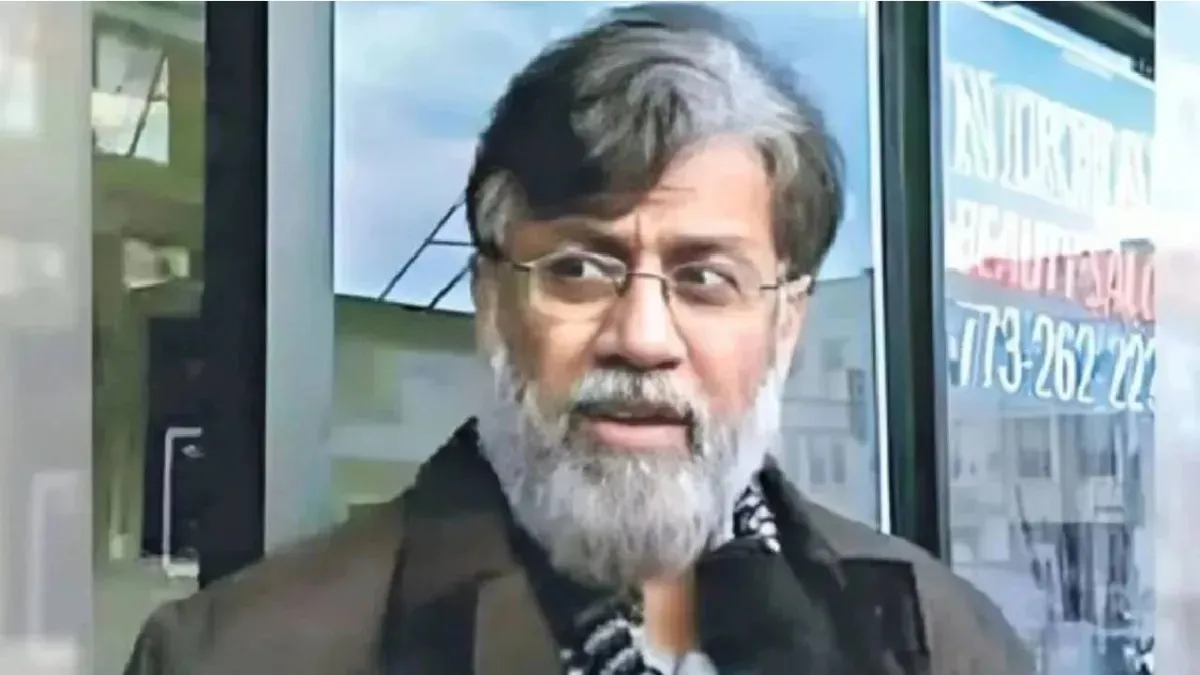

New Delhi [India], April 10: India’s successful extradition of Tahawwur Rana, a key accused in the 2008 Mumbai terror attacks, was not just a courtroom victory but also a testament to strategic diplomacy, according to an official closely involved in the process.
Speaking anonymously, the official said one of the biggest legal challenges in securing Rana’s extradition was his double jeopardy defense. His legal team in the United States argued that since he had already faced trial for related offenses, a second prosecution in India would be unlawful.
However, Indian legal experts effectively dismantled this defense. They explained that double jeopardy applies only to identical crimes, not broadly related conduct. Rana had not been tried in the U.S. for the specific offenses he is facing in India under the Unlawful Activities (Prevention) Act (UAPA). This distinction helped clear a major legal hurdle.
The U.S. Department of Justice and the American court ultimately accepted India’s arguments, legally greenlighting the extradition.
But legal victories alone didn’t ensure Rana’s return. The second, equally crucial, component was India’s diplomatic outreach. Behind closed doors, Indian officials worked persistently, leveraging New Delhi’s close strategic ties with Washington and its growing global clout to expedite the process. Diplomacy helped overcome procedural delays and build trust with U.S. counterparts.
According to sources, general assurances were provided to the U.S. government as part of the extradition agreement. These include guarantees that:
- Rana will be treated humanely in Indian custody,
- He will not be tortured,
- And he will only be tried for the offenses covered in the extradition order.
Rana, 64, a Canadian national of Pakistani origin, was held at the Metropolitan Detention Centre in Los Angeles. He is expected to land in India on Thursday, aboard a special flight, after all legal and diplomatic conditions were satisfied.
The extradition marks a significant milestone in India’s long-standing pursuit of justice in the 26/11 Mumbai attacks, bringing the spotlight back on accountability and international cooperation in fighting terrorism.