

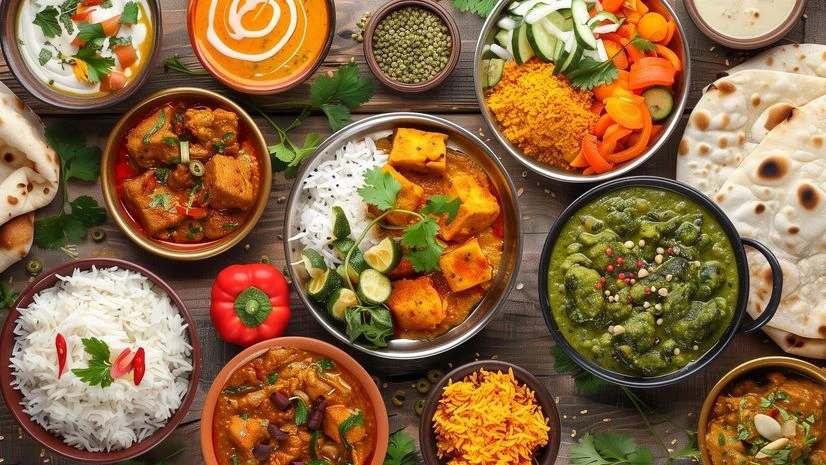

There is a lot of variety in India’s food culture, from millet-based meals in the south to lentil-heavy thalis in the north. But current Indian diets are too high in carbs, thanks to cereals, rice, and refined grains, and they don’t get enough protein every day.
Recent national surveys by the Indian Council of Medical Research (ICMR) and the National Institute of Nutrition (NIN) show that most Indians get most of their energy from carbohydrates and not enough high-quality protein. This is a worrying trend.
This imbalance has an effect on a lot more than just body weight. It affects your metabolism, your immune system, your physical strength, and even your brain function. Below, we talk about how a diet high in carbs and low in protein can hurt your health without you ever knowing it.
- More likely to get type 2 diabetes or prediabetes Diets high in refined rice, polished grains, and sugar cause blood sugar levels to rise quickly after meals and make it harder for the body to make insulin.
Large ICMR research show that replacing even a small amount of carbohydrate calories with plant-based or dairy protein will greatly lower the risk of getting diabetes. Macronutrient balancing is not a fad; it is a front-line fight against India’s diabetes epidemic. - Faster Development of Insulin Resistance South Asians are genetically more likely to store visceral fat, which is fat around the organs that makes insulin resistance worse.
Diets high in carbs speed up this process. By replacing some of your carbs with protein and healthy fats, you can slow down the fall of your metabolism and lose belly fat over time. - Muscle mass and physical function are both weak. To keep and rebuild muscle tissue, you need protein.
When cereals, which don’t have all the amino acids your body needs, make up most of your protein, it becomes harder to keep your muscles strong, especially for older people.
As time goes on, this makes you weaker, more fragile, and less able to take care of yourself. Adding proteins from eggs, lentils, dairy, or soy to meals helps keep strength. - Slower Healing and Weaker Immune System Protein helps make immunoglobulins and cytokines, which are what make the immune system work.
Low protein consumption weakens the immune system, slows down healing, and makes people more likely to get sick, which is especially worrying after the epidemic. - Not getting enough micronutrients even though you eat enough calories High-carb diets frequently don’t give you enough iron, zinc, vitamin B12, and folate, which are important for energy, brain function, and the health of pregnant women.
This leads to “hidden hunger,” which means that calorie needs are met but nutritional needs are not.
Adding legumes, dairy, and veggies to meals helps fill this quiet nutritional deficit. - Increased Risk of Heart Disease and Lipid Profile Deterioration Combining refined carbs with trans fats and fried foods raises cholesterol and triglyceride levels, which raises the risk of heart disease.
Adding plant or dairy proteins to some of your carbs, along with healthy fats like nuts, seeds, and olive oil, can help bring your lipid profiles back to a heart-healthy level. - Bad Protein Quality NIN research shows that cereals are the biggest source of protein in both rural and urban India.
But cereal protein doesn’t have several important amino acids that are in pulses, dairy, and eggs.
Adding dal to rice or roti to curd or eggs is a cheap way to improve the quality of protein. It’s a tiny modification that has a great impact on health. - Effects on Maternal Nutrition and Child Growth Low protein consumption by mothers during pregnancy and early childhood feeding can hinder linear growth and cognitive development.
Adding cheap protein sources like milk, lentils, and eggs to public nutrition programs can make a big difference in the health of mothers and children. - Decrease in Work Capacity and Output Low protein intake makes it harder for those who are physically active to keep going, build up their strength, and recover.
This dietary mismatch has a direct impact on productivity and daily energy levels, especially in rural settings.
Adding even a small amount of protein to breakfast or lunch will help you perform harder and last longer. - Small changes to your diet can have big effects on public health. The ICMR’s results give us hope: at the population level, replacing just 5% of daily carbohydrates with protein, especially plant or dairy protein, can lower the risk of diabetes and enhance metabolic health.
This indicates that India doesn’t need to make big changes to its diet; it only has to make smarter choices and put more emphasis on the food system. The Next Step India’s food story isn’t one of failure; it’s one of chance.
The data gives us a clear path to follow: Don’t only eat rice and wheat. Pulses, milk, and eggs are all cheap ways to get better protein. Make simple, long-lasting changes that will have a major impact on your health. India can fight its two problems of too much and not enough food this way, which will lead to a healthier and stronger future.