

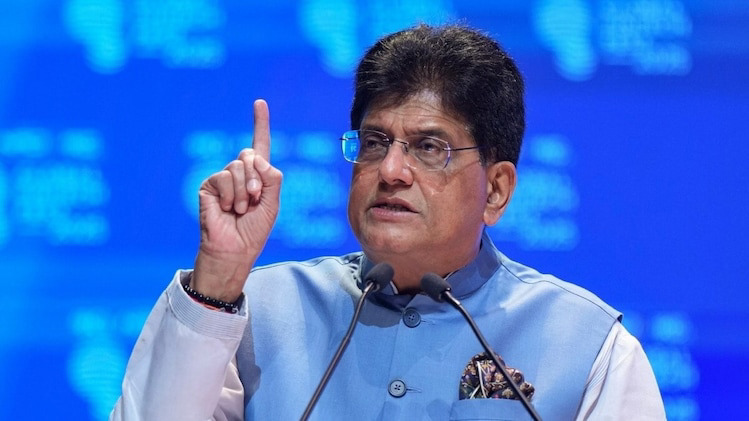

NEW DELHI — In a major update following the finalization of the India-US interim trade framework, Union Commerce Minister Piyush Goyal announced on Saturday, February 7, 2026, that India’s agricultural heartland will remain protected from American imports. While the deal slashes U.S. tariffs on Indian goods from 50% down to 18%, Goyal emphasized that India has not yielded on key agricultural sectors where the country is self-sufficient.
1. The “Exclusion List”: No Benefits for US Farmers
Goyal categorically stated that India will not grant any tariff concessions on a wide range of agricultural products. This “red line” is designed to prevent domestic markets from being flooded by cheaper U.S. commodities.
- Prohibited from Import Benefits:
- Staples: Rice, wheat, maize, soybean, and millets (jowar, bajra, ragi).
- Livestock & Dairy: Meat, poultry, and all dairy products.
- Plant-Based: Oilseeds, groundnuts, sugar, and green tea.
- Others: Honey, ethanol, tobacco, and non-alcoholic beverages.
- The GM Ban: The Minister reaffirmed that Genetically Modified (GM) foods will strictly not be allowed into the Indian market under the deal.
2. Zero Duty for Indian Exports
While India is blocking U.S. farm imports, the deal secures zero-duty access for a variety of Indian agricultural and manufactured goods entering the United States.
| Sector | Zero-Duty Indian Exports to the U.S. |
| Agriculture | Spices, Tea, Coffee, Coconut/Coconut Oil, Areca Nut, Cashews, Mangoes, Bananas, and Guavas. |
| Manufacturing | Smartphones, Gems and Diamonds, and Aircraft Parts. |
| Healthcare | Generic Pharmaceuticals and specific Medical Devices. |
3. Calibrated Concessions: What India Did Give
To maintain a “fair and balanced” deal, India has agreed to reduce or eliminate tariffs on a specific set of non-sensitive U.S. goods:
- Industrial Goods: Tariffs will be reduced on most U.S. industrial products.
- Specific Farm Goods: Concessions were granted for tree nuts (Pistachios, Walnuts, Almonds), lentils, soybean oil, and red sorghum (used for animal feed).
- Luxury/Niche: Wines and spirits (subject to a minimum import price cap), cosmetics, and specialized medical equipment.
4. Economic Impact: $500 Billion Commitment
India has signaled its intent to purchase $500 billion worth of U.S. goods over the next five years, focusing on energy, technology, and aviation.
- Job Creation: Goyal projected that the deal would create lakhs of new jobs in India, particularly in labor-intensive sectors like textiles, leather, and toys.
- The “Tranche” Timeline: A joint statement was signed today; however, the formal, legal Bilateral Trade Agreement (BTA) is expected to be signed in mid-March 2026.