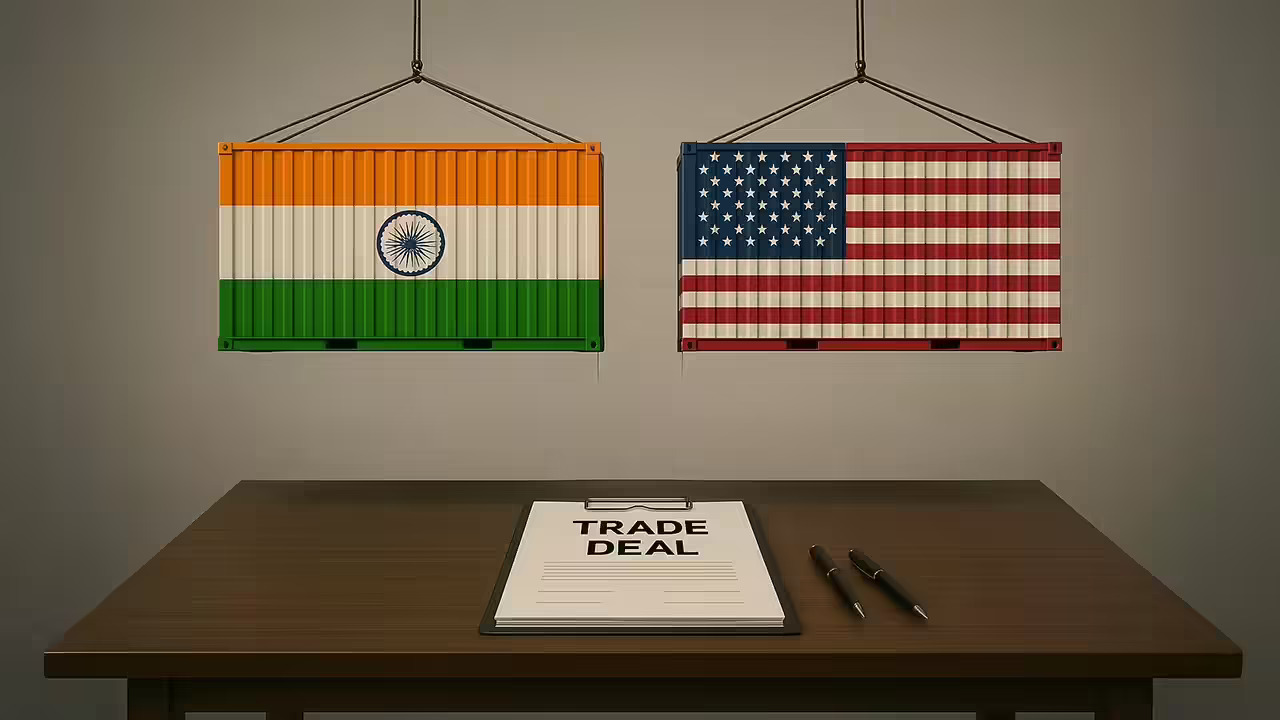
Following a period of significant tension, India and the United States have formally resumed face-to-face discussions aimed at a mutually beneficial trade agreement. In a statement released on Tuesday, the Indian commerce ministry described the discussions as “positive and forward-looking,” with both sides agreeing to “intensify efforts” for an early conclusion to the deal. The U.S. government echoed this sentiment, with a spokesperson also characterizing the meeting as positive.
The talks took place in New Delhi with a delegation from the Office of the United States Trade Representative (USTR), led by chief negotiator Brendan Lynch. The Indian side was represented by a team of officials headed by Rajesh Agarwal, the special secretary in the Department of Commerce.
Negotiations for a trade pact between the two countries had previously begun in March and April but have faced numerous setbacks, most recently due to the U.S. imposing a series of tariffs on Indian goods. The relationship saw a public thaw after a recent exchange of “mutual-admiration posts” on social media between U.S. President Donald Trump and Indian Prime Minister Narendra Modi, signaling a willingness to get discussions back on track.
However, a key obstacle remains. According to a report by the Global Trade Research Initiative (GTRI), an India-based trade think tank, any real progress on a deal hinges on the U.S. rolling back the additional 25% punitive tariff it imposed on India at the end of August. This new tariff, which comes on top of an existing 25% duty, was cited as a penalty for India’s continued purchase of oil from Russia despite the ongoing conflict in Ukraine.
The GTRI report highlights a paradox: the U.S. appears “desperate” to finalize a deal, even as its officials almost daily use what the report calls “disparaging language” against India. The think tank warns that the challenge for India will be to find a balance between making concessions and “undermining regulatory autonomy or economic sovereignty.”
India has already drawn a clear line on certain issues, with Prime Minister Modi vowing to “protect the farmers, no matter the cost,” and stating that India will not allow a free flow of American agricultural and dairy products into the country.
The recent tensions have already taken a toll on trade. India’s exports to the U.S. saw a decline to $6.86 billion in August, down from $8.01 billion in July, though the full impact of the new, higher tariffs will be better understood next month as they were implemented at the end of August. While an initial agreement was expected by September, officials now hope the first phase of the deal could be reached by November.
India And U.S. Resume Trade Talks, Vow To “Intensify Efforts” For Early Agreement