

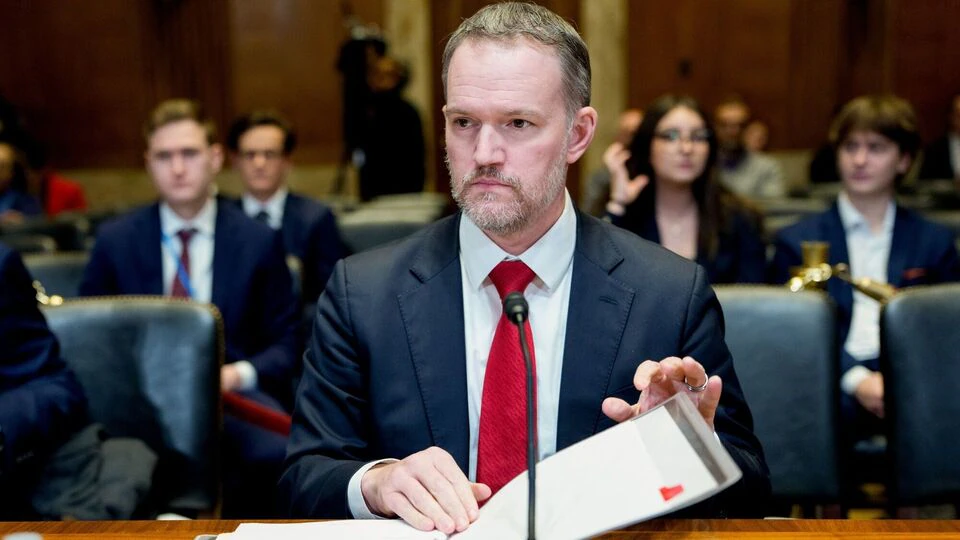

In a landmark interview on February 4, 2026, US Trade Representative Jamieson Greer hailed the new India–US trade agreement as a transformative moment for American exporters. While the formal legal text is currently being finalized, Greer confirmed that the core specifics of the deal are locked in, signaling a massive shift in the economic relationship between the two nations.
Key Terms: Market Access and Tariff Cuts
The agreement focuses on dismantling trade barriers that have historically hindered US access to the Indian market.
- Industrial Revolution: India’s average tariff on industrial goods, currently at 13.5%, will be eliminated. Greer noted that tariffs will drop to zero for roughly 98–99% of these products.
- Agricultural Breakthrough: Significant concessions have been made for US farmers. Tariffs will go to zero for a wide array of products, including tree nuts, wine, spirits, fruits, and vegetables.
- Healthcare and Tech: The deal opens doors for American medical devices, chemicals, and manufactured goods, providing a competitive edge in one of the world’s fastest-growing economies.
The “18% Rule” and Trade Deficit
Despite the sweeping cuts from the Indian side, the United States will maintain a level of protectionism.
- US Tariffs: The US will continue to levy an 18% tariff on Indian goods. Greer justified this by pointing to the “giant trade deficit” the US currently holds with India.
- Non-Tariff Barriers: Beyond taxes, India has agreed to scrap several non-tariff barriers and recognize specific US standards, making it easier for American companies to navigate Indian regulations.
- Sensitive Sectors: Both nations have retained “protectionist cushions” for highly sensitive domestic industries, ensuring that essential national interests remain safeguarded.
Strategic Opportunity
Greer described the timing as perfect, stating, “The time has come, and now we have the deal.” The agreement is seen as a strategic win for the Trump administration, aiming to rebalance trade while strengthening a key geopolitical alliance in Asia.
While the deal has faced some domestic criticism in India—most notably from Akhilesh Yadav, who termed it a “Dheel” (relaxation) rather than a “Deal”—the US maintains that this creates a level playing field for American labor and manufacturing.