

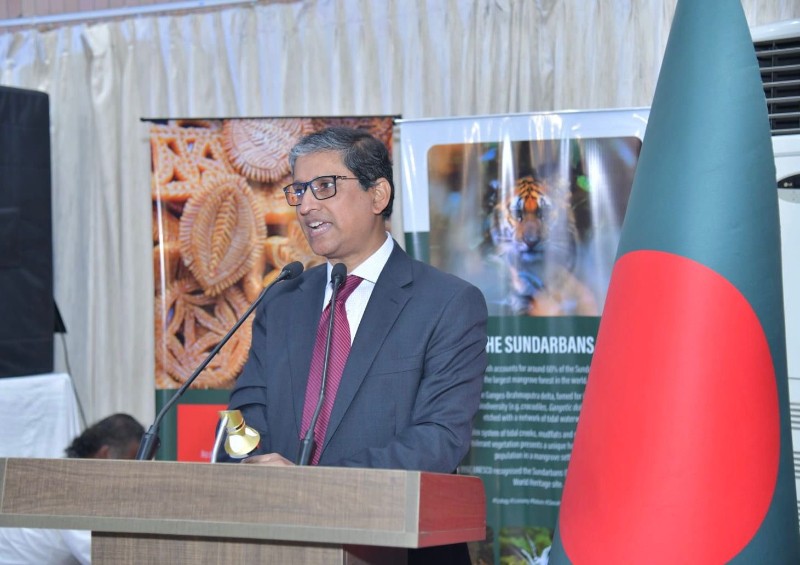

Escalating diplomatic tensions, India on Wednesday, December 17, 2025, summoned the Bangladesh High Commissioner, Riaz Hamidullah, to lodge a “strong protest” over the deteriorating security situation in Dhaka. The Ministry of External Affairs (MEA) expressed deep concern over planned protests by extremist elements targeting the Indian High Commission.
The envoy was summoned by B. Shyam, Joint Secretary in charge of the Bangladesh–Myanmar division, who served a formal demarche (diplomatic representation) to the Bangladeshi representative.
🚩 Triggers for the Diplomatic Summon
The MEA’s move follows a series of provocative events in Dhaka that New Delhi views as a direct threat to its sovereign interests and diplomatic safety:
- Threats to Indian Mission: Extremist groups have recently announced plans to stage mass protests around the Indian High Commission in Dhaka, raising fears of a security breach.
- Controversial “Seven Sisters” Speech: A major trigger was a speech by Hasnat Abdullah, a prominent student leader and National Citizen Party (NCP) member. Abdullah reportedly claimed that Bangladesh could shelter Indian separatist forces and “sever” India’s seven northeastern states.
- Baseless Allegations: Indian officials rejected “false narratives” from the Bangladeshi interim government and NCP leaders who obliquely linked India to a recent shooting of NCP’s Sharif Osman Hadi without providing evidence.
🏛️ India’s Stance and Expectations
In a readout released after the meeting, the MEA underscored the following points:
- Safety of Personnel: India expects the interim government to uphold its diplomatic obligations under the Vienna Convention to ensure the absolute safety of Indian missions and staff.
- Rejection of Incitement: The MEA rejected Abdullah’s remarks as extremist incitement and noted that the interim government has failed to share any “meaningful evidence” regarding recent internal security incidents.
- Stability & Elections: India reiterated its support for a “peaceful, stable, and inclusive” Bangladesh and called for the conduct of “free, fair, and credible elections.”
📉 Strained Ties: A Context
Relations between the neighbors have turned frosty since the transition to a caretaker administration in Bangladesh. India has repeatedly flagged:
- The oppression of minorities, specifically Hindus, in Bangladesh.
- The resurgence of radical forces and their influence on the current administration.
- The failure of the interim government to conduct thorough investigations into anti-India rhetoric and violence.