

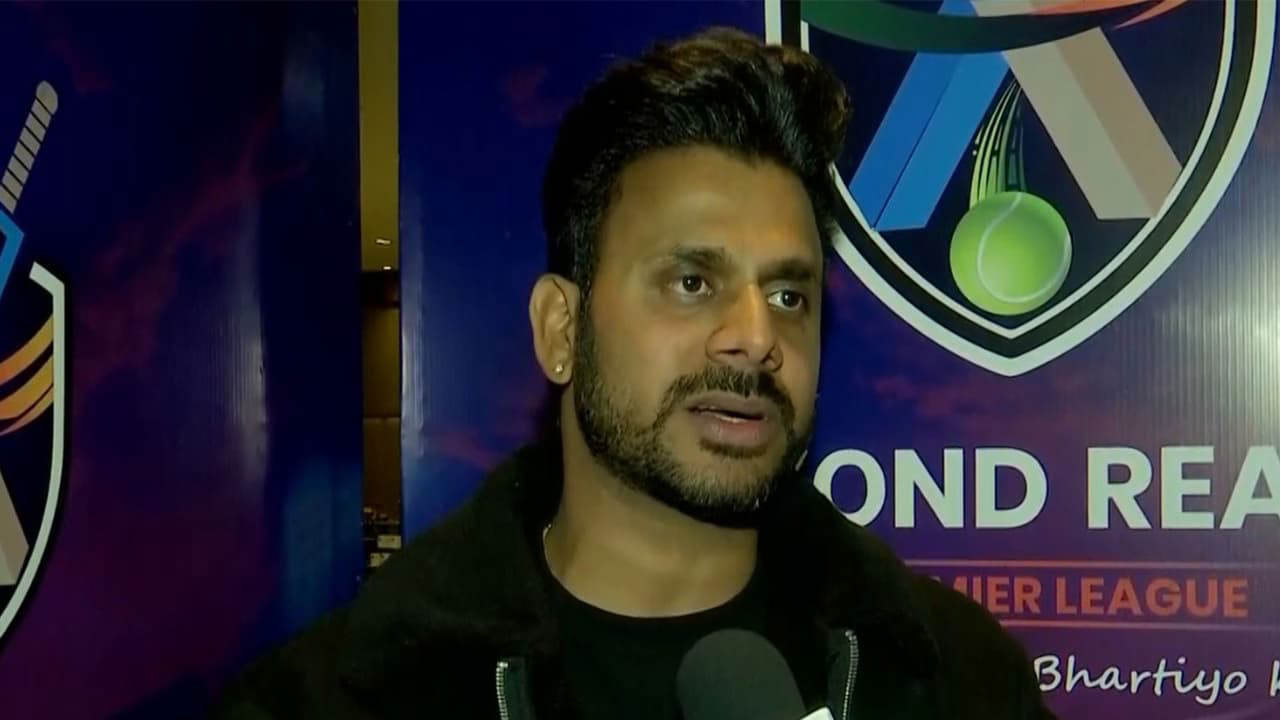

Former India cricketer Manoj Tiwary has voiced a strong and uncompromising opinion amid uncertainty surrounding Bangladesh’s travel to India for the upcoming ICC Men’s T20 World Cup, stating that sporting relations should not continue when humanitarian concerns are at stake.
Speaking to media, Tiwary said his stance on the issue has remained consistent over the years and recalled his views following previous terror incidents.
“When the Pahalgam terrorist attack happened, I had said that India should not play against Pakistan. Even though the government allowed it, my opinion was, and still is, that such matches should not happen,” Tiwary said.
‘Issue Goes Beyond Cricket’
Tiwary emphasised that the matter should not be viewed purely through the lens of sports, adding that national sentiment and the safety of Indian citizens must take priority.
“If any Indian is killed mercilessly in any country, whether it is Bangladesh, England, Australia or anywhere else, then India should not maintain sporting relations with that country,” he stated.
While acknowledging that sporting events often continue despite political or humanitarian tensions, Tiwary reiterated his personal position.
“Sports should not be mixed with such serious matters, but these matches will still be conducted because games were allowed against Pakistan earlier. Even now, they will go ahead, but my personal opinion is very clear — they should not play,” he said.
Backdrop of Rising Tensions
Tiwary’s comments come amid recent tensions in Bangladesh, including reports of attacks on the Hindu community and a rise in anti-India rhetoric, which have sparked wider debate about Bangladesh’s participation in the T20 World Cup matches scheduled to be held in India.
Earlier, Bangladesh’s Youth and Sports Adviser Asif Nazrul claimed that there is “no atmosphere to play” the T20 World Cup in India. He reportedly referred to a “letter” from the ICC security team, according to Bangladesh state news agency BSS.
ICC Responds on Security Concerns
However, International Cricket Council (ICC) sources have pushed back against those claims. ICC officials said that independent risk assessments, conducted by internationally recognised security experts, do not conclude that Bangladesh cannot safely play its scheduled matches in India.
According to the ICC, the overall security risk for the tournament in India has been assessed as low to moderate, which aligns with the risk profile of many major international sporting events.
Despite the ongoing debate, the ICC has maintained that there is no security-based justification to alter Bangladesh’s T20 World Cup schedule in India at this stage.