

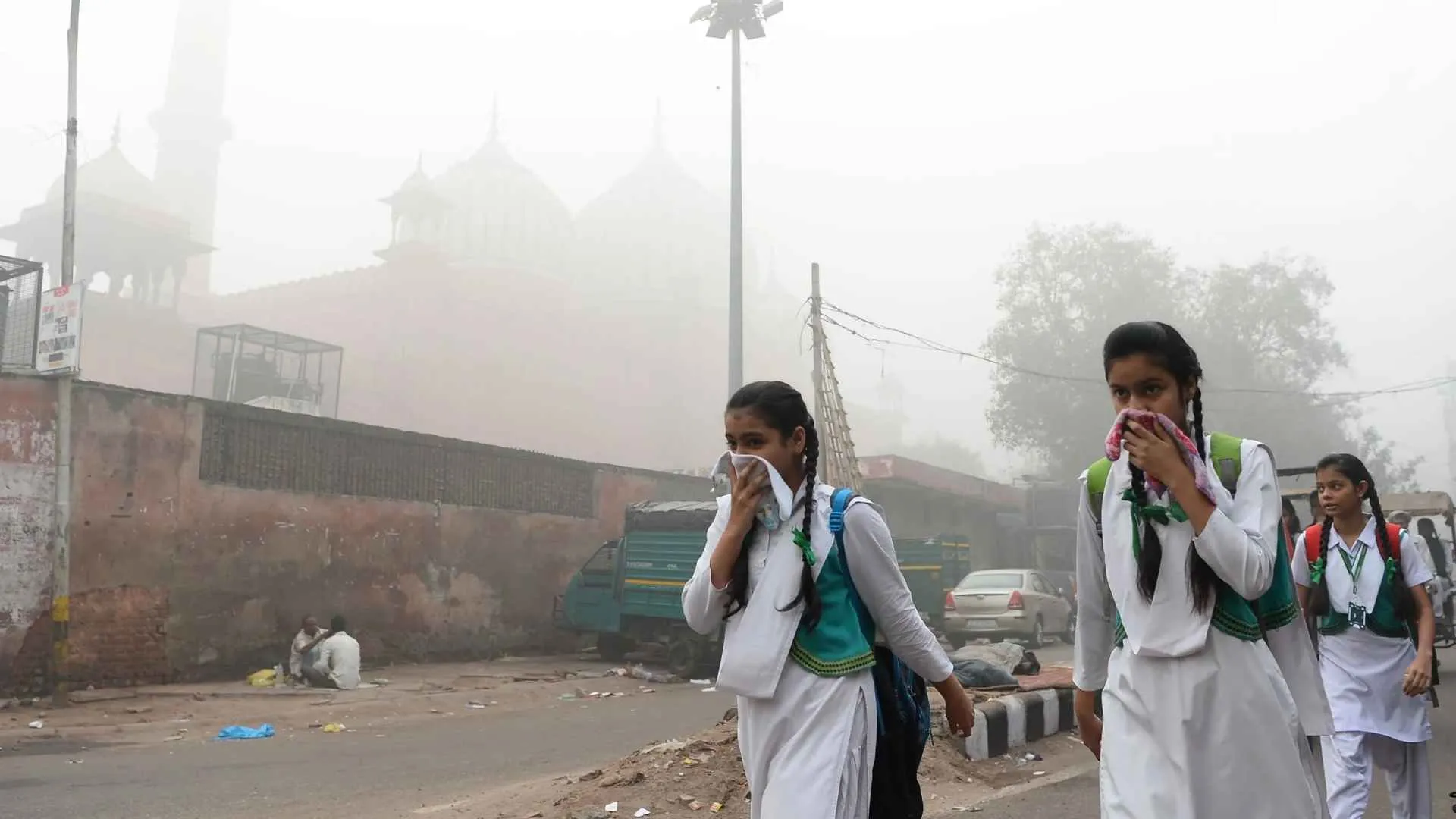

India experienced a seven per cent decline in PM2.5 levels in 2024, with the country’s annual average dropping to 50.6 µg/m3 from 54.4 µg/m3 in 2023. Despite this improvement, six of the world’s ten most polluted cities are still in India, as revealed in the IQAir 2024 World Air Quality Report.
New Delhi, continuing to suffer from extreme pollution, recorded an annual PM2.5 average of 91.6 µg/m3 in 2024, almost unchanged from the previous year’s figure of 92.7 µg/m3. Severe pollution episodes persisted across northern India, with Baddi in Himachal Pradesh recording a PM2.5 average of 165 µg/m3 in January 2024.
The report also highlighted that pollution worsened in certain regions during seasonal peaks, particularly in October when Manipur’s air quality deteriorated. November witnessed extreme pollution levels in Delhi, Punjab, Chandigarh, Haryana, and Himachal Pradesh, primarily due to stubble burning, which contributed to 60% of PM2.5 levels during these periods.
“Air pollution remains a significant health burden in India, reducing life expectancy by an estimated 5.2 years. Severe pollution episodes persisted in 2024, particularly in northern states,” the report stated.
The report noted that 35% of Indian cities recorded PM2.5 levels that exceeded WHO guidelines by more than ten times. Major sources of pollution include vehicular emissions, industrial discharges, construction dust, and crop burning. While vehicular emissions are a primary concern in urban centers, stubble burning in Punjab and Haryana continues to exacerbate pollution during the winter months.
“Seasonal agricultural practices, particularly the burning of crop residues in states like Punjab and Haryana, further deteriorate air quality during winter months. Industrial emissions and construction activities also contribute significantly to pollution levels,” the report mentioned.
Despite government measures like the National Clean Air Programme aimed at reducing pollution, challenges persist due to inconsistent policy implementation and inadequate infrastructure. In October 2024, the Supreme Court of India reaffirmed that clean air is a fundamental right and ordered stronger measures against pollution in Delhi, Punjab, Haryana, Uttar Pradesh, and Rajasthan. However, Delhi officials faced sharp criticism in November for “serious lapses” in implementing the Graded Response Action Plan (GRAP), which is designed to reduce pollution during hazardous air quality days.
The IQAir report also cautioned that air pollution remains the greatest environmental threat to human health, with 99% of the global population living in areas that fail to meet WHO air quality standards. According to the World Health Organization (WHO), 8.1 million deaths in 2021 were linked to air pollution, with 58% attributed to PM2.5 exposure. The United Nations has declared clean air a universal human right, underscoring the urgent need for stronger policies and enforcement to address India’s air pollution crisis.