

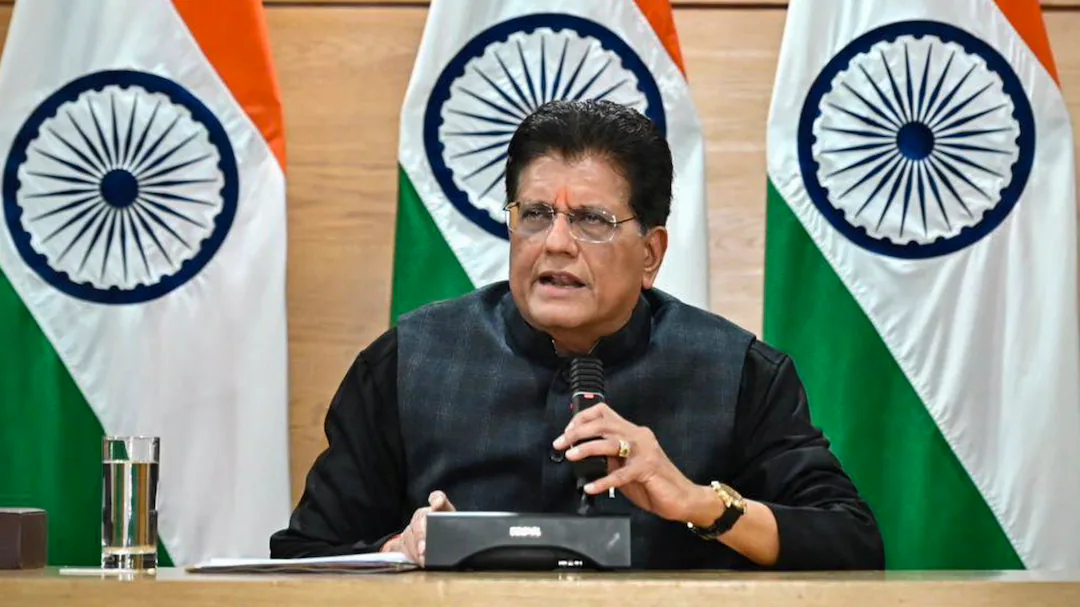

India has taken a firm stance at the WTO Ministerial Conference 14, opposing the extension of the long-standing moratorium on customs duties on electronic transmissions, citing concerns over its scope and long-term implications.
Speaking at the global forum, Commerce Minister Piyush Goyal said that the continued extension of the moratorium, without a shared understanding among member nations, requires “careful reconsideration.”
Why India Is Opposing the Moratorium
The e-commerce moratorium prevents countries from imposing customs duties on digital goods and electronic transmissions. India has argued that:
- There is no clear consensus on its scope
- It may limit revenue potential for developing economies
- It could impact policy flexibility in the long run
India’s position reflects growing concerns among developing nations about the implications of unrestricted digital trade.
Call for WTO Reforms Gains Momentum
India also used the platform to push for broader reforms at the World Trade Organization, emphasising the need for a system that is:
- Transparent
- Inclusive
- Member-driven
Piyush Goyal stressed that development must remain central to global trade discussions, especially for emerging economies.
Demand to Restore Dispute Settlement System
A major concern raised by India was the dysfunction of the WTO’s dispute settlement mechanism.
The current system, according to India, deprives member countries of a reliable platform to resolve trade disputes, weakening the multilateral framework.
Focus on Development and Agriculture
India reiterated the importance of Special and Differential Treatment (S&DT) provisions, calling for them to be:
- Clearly defined
- Practical and enforceable
- Supportive of developing nations’ policy space
On agriculture, India renewed its long-standing demands:
- A permanent solution for public stockholding to ensure food security
- Implementation of the Special Safeguard Mechanism (SSM) to protect farmers from sudden import surges
Balanced Approach on Fisheries and Trade Agreements
On fisheries, India maintained that any subsidy agreement must be balanced and protect the livelihoods of small and traditional fishers.
It also cautioned against plurilateral agreements imposing obligations on countries that are not part of such arrangements, reinforcing its commitment to consensus-based decision-making within the WTO.
India’s Strategic Trade Position
India’s intervention highlights its broader strategy to reshape global trade rules—ensuring that digital trade expansion does not come at the cost of development priorities and economic sovereignty.
As debates intensify, India’s stance signals a push for a more equitable and balanced global trade architecture under the World Trade Organization.