

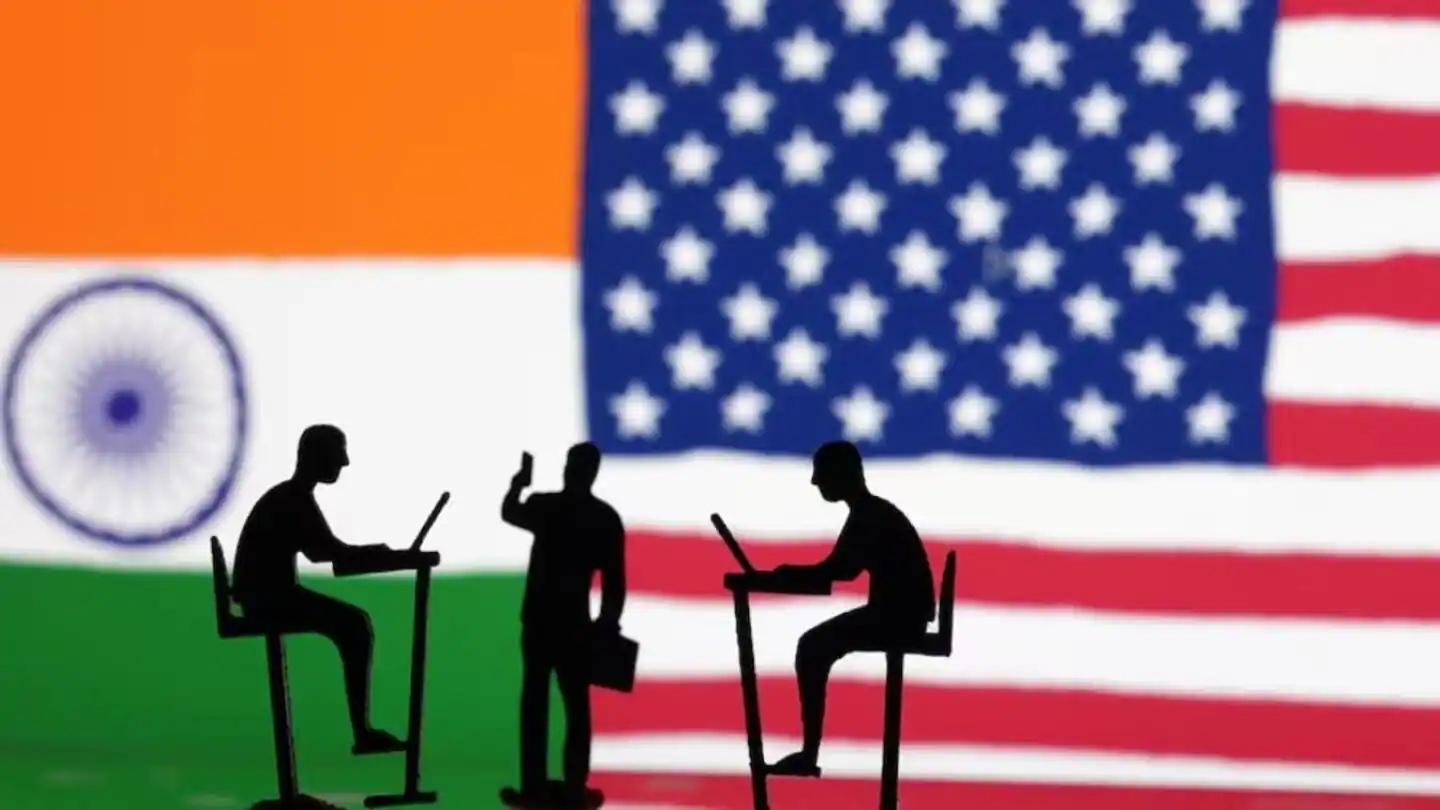

India has hired the lobbying company Mercury Public Affairs LLC to help it deal with the U.S. government, according to a public filing with the U.S. Department of Justice. The move shows that New Delhi is trying to improve its diplomatic and public relations efforts in Washington, D.C., as trade tensions rise and a 25% tariff penalty is slated to go into force on August 27.
India will pay Mercury $75,000 a month for its services, which include “public relations, communications, and government relations advice and services, including outreach to US media and government officials.” David Vitter, a former Republican senator, and Bryan Lanza, a former communications director for the Trump campaign, are said to be among the firm’s partners who would represent India. It’s important that Mercury was hired since they used to work with Susie Wiles, who is now the White House Chief of Staff.
With this new deal, India will spend $275,000 a month on lobbying in Washington. New Delhi already has a $150,000-a-month deal with SHW Partners LLC, which is run by Jason Miller, a former advisor to Trump. It also has a $50,000-a-month deal with BGR Partners.
The extra spending is a direct result of escalating tensions with the U.S. India’s goods are already subject to a 25% reciprocal tax, and because India keeps buying Russian oil, there will be an extra 25% penalty. The proposed tariffs will raise the total duty on some Indian goods to a very high 50%. The Indian government has always said that its energy policy is based on the country’s best interests and that it will protect its strategic independence.
The move also comes at a time when Pakistan is spending three times as much as India on lobbying. Recent disclosures show that Pakistan pays almost $600,000 a month to six lobbying and strategic communications firms to get in touch with important people in the White House, Congress, and other government agencies. Pakistan has also achieved diplomatic progress with the Trump administration. For example, its Army Chief met with President Trump, and Pakistan has offered U.S. investors chances to engage in its important minerals and oil industries.
India’s increasing attention on lobbying in the U.S. shows how worried it is about Pakistan’s growing power and how it is trying to defend its own economic and strategic interests in light of a new U.S. foreign policy.