

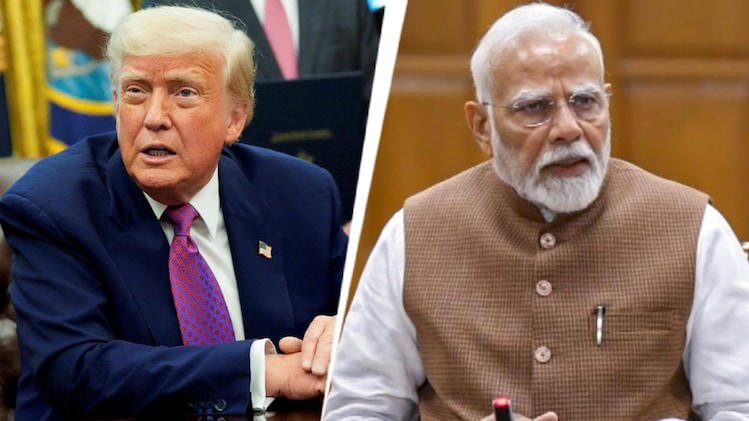

India is reportedly considering retaliatory tariff countermeasures against certain U.S. goods, a response to the punishing 50% tariffs on Indian steel, aluminum, and their derivatives imposed by the United States in June. This potential move would be India’s first official retaliation since the U.S. announced the steep tariffs, half of which are a penalty for India’s continued business with Russia. The escalating trade dispute has also become a point of contention at the World Trade Organization.
U.S. President Donald Trump has firmly stated that trade negotiations with India are off the table until the issue of tariffs is resolved. When asked by a reporter whether he expected an increase in trade talks with India after the new tariffs were announced, Trump replied, “No, not until we get it resolved.”
Meanwhile, reactions from both India and the U.S. have been sharp. India’s former Vice-President M. Venkaiah Naidu stated on Saturday that the country will not “yield to any threats” and will “safeguard energy security” and its “strategic and national interest.” Similarly, NCP (SP) chief Sharad Pawar has called for national unity, urging Indians to support the government against what he described as “pressure tactics” by the U.S.
On the American side, former National Security Advisor John Bolton has called Trump’s tariffs a “potentially enormous mistake.” In an interview with CNN, Bolton warned that the secondary tariff, intended to punish Russia, could ironically push India closer to Russia and China, and even lead them to negotiate together against the U.S. American economist Jeffrey Sachs echoed this sentiment, arguing that India has no security benefits from siding with the U.S. in the Quad against China. Sachs also labeled Trump’s tariff actions as “unconstitutional.”
The new U.S. tariffs on India are being implemented in two phases. The initial 25% tariffs came into effect on August 7, while the additional 25% penalty for buying Russian oil is set to take effect by August 27. India has publicly called the U.S. action “unfair, unjustified, unreasonable,” particularly for penalizing a sovereign country for its energy trade with Russia, a move also undertaken by other nations.
Amid these trade tensions, Prime Minister Narendra Modi held a phone conversation with Russian President Vladimir Putin on Friday to discuss a range of issues. This call was followed by a similar conversation between Putin and Brazilian President Luiz Inácio Lula da Silva on Saturday, as both India and Brazil have been hit with steep tariffs by the U.S. India has also “endorsed” the upcoming meeting between President Trump and President Putin in Alaska on August 15, with the Ministry of External Affairs stating that the meeting “holds the promise of bringing to an end the ongoing conflict in Ukraine.”