

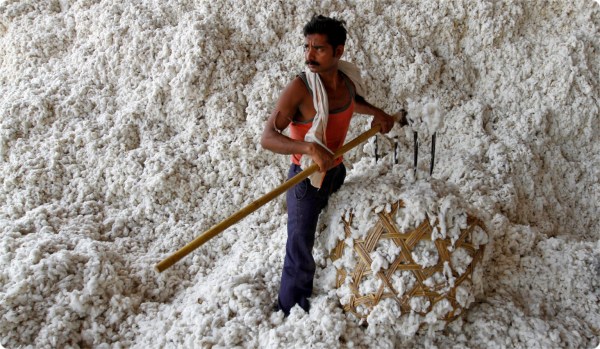

NEW DELHI – The Central Government has extended an important exemption on cotton-import charges until December 31, 2025. This is a smart measure to protect the domestic textile and apparel industry from escalating trade problems, especially the new 50% tariffs the US has put on Indian exports. The 11% customs duty was first put on hold on August 19, and it was supposed to end on September 30. However, it has now been extended for three more months.
The Indian textile industry, which has been very vociferous about needing help from the government, is very happy with the decision. Srijit Misri, who is on the Apparel Export Promotion Council, hailed the decision and pointed out that the Council’s chairman, Sudhir Sekhri, had recently written to Prime Minister Narendra Modi asking for help. The Southern India Mills’ Association (SIMA) said that the extension was “timely relief” for a sector that has been hurt badly by the “abnormal” U.S. tariffs. N. Thirukumaran, the General Secretary of the Tiruppur Exporters Association (TEA), stated that the exemption would assist keep cotton prices in India stable and bring them in line with prices throughout the world.
However, there has been some disagreement about the relocation. The Samyukt Kisan Morcha (SKM) and other farmers’ groups have fiercely opposed the decision, saying it is bad for farmers. They say that an infusion of cheaper imported cotton will lower prices in the US, just as a good harvest is predicted because of good rains. The SKM, which led the rallies against the now-repealed farm rules in 2020, has said it will start a new protest. The group says that the U.S. gives its cotton growers huge subsidies, which lets them export cotton at prices that are too low for Indian farmers to compete with.
India makes the second most cotton in the world, with 25 million bales (170 kg apiece). But it is also a big importer, with 2.71 million bales coming in in 2024–25. This strange thing is mostly because cotton costs in the US are always higher than those across the world. The goal of the tariff exemption is to give Indian mills access to raw materials at costs that are competitive with those across the world.
The government says that the duty-free time is only temporary and is meant to protect small and medium-sized businesses (SMEs), keep inflation in completed garments stable, and stop job losses in a sector that employs more than 30 million people. The government still has a hard time finding the right balance between helping the textile industry that exports and protecting the interests of millions of cotton farmers.