

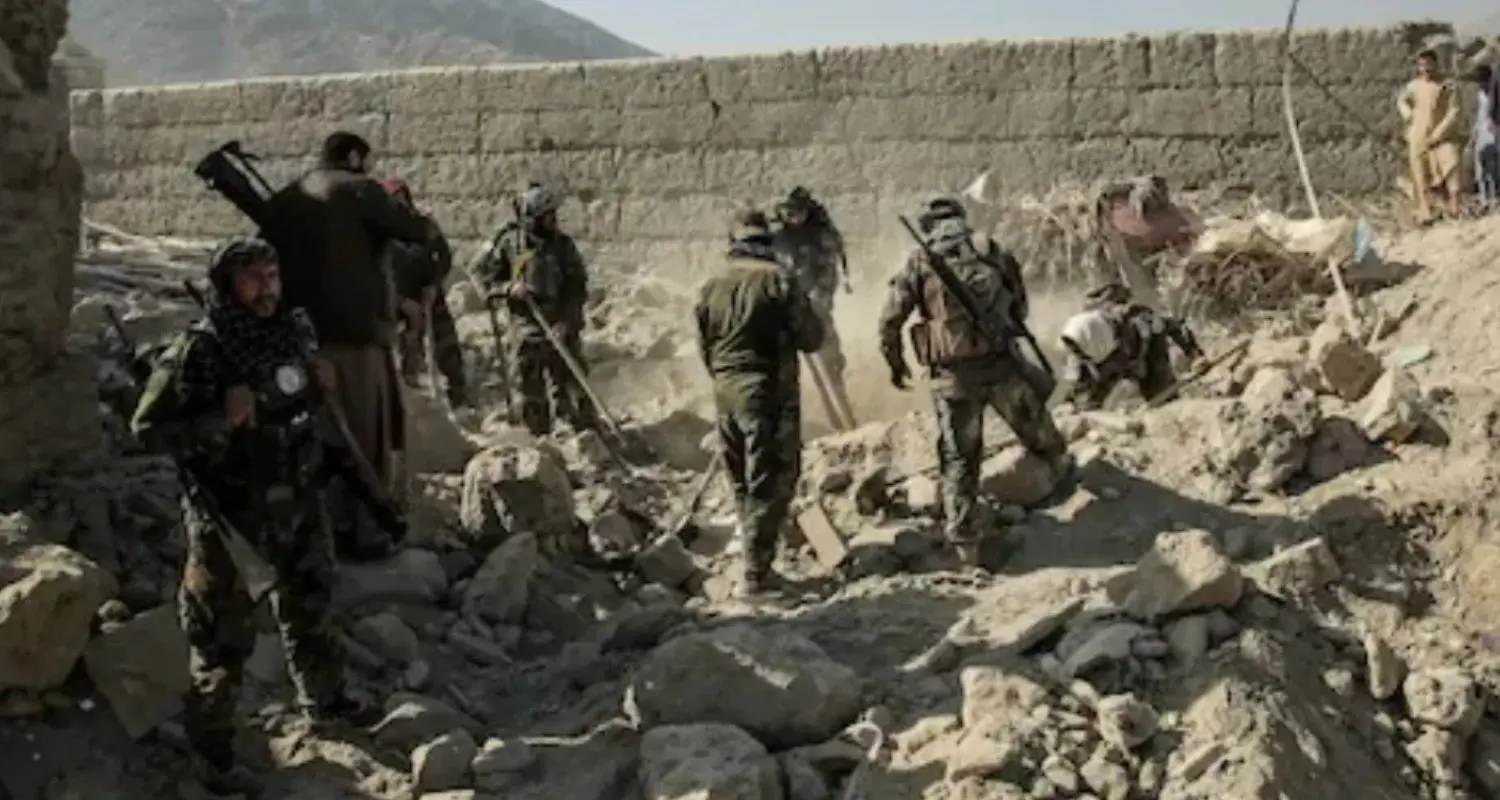

NEW DELHI/ISLAMABAD — The diplomatic and military landscape of South Asia has shifted dramatically over the last 48 hours. Following Afghanistan’s retaliatory ground assault on Thursday, Pakistan launched high-intensity airstrikes on Kabul, Kandahar, and Paktia. While Pakistan claims a massive toll on Taliban operatives, Kabul maintains that the strikes targeted civilian infrastructure—a claim that has previously drawn sharp rebukes from India.
1. India’s Stance: Support for a Sovereign Kabul
While the Ministry of External Affairs (MEA) has yet to issue a fresh statement on this morning’s strikes, India’s “red lines” have been clearly established over the past few months:
- Condemning Civilian Deaths: On February 22, MEA spokesperson Randhir Jaiswal strongly condemned Pakistani strikes in Nangarhar that killed 18 civilians, including women and children. India notably highlighted that these strikes occurred during the holy month of Ramadan.
- The “Internal Failure” Argument: India has consistently argued that Pakistan is “externalizing its internal failures” by blaming neighbors for its domestic security lapses.
- Standing for Sovereignty: New Delhi has officially stated its support for Afghanistan’s “territorial integrity and independence,” a significant shift in rhetoric since the Taliban’s 2021 takeover.
2. The “Indian Proxy” Allegation
Islamabad has frequently accused India of using Afghan soil to launch “proxy” attacks against Pakistan—allegations that peaked in October 2025 during Taliban Foreign Minister Amir Khan Muttaqi’s historic visit to New Delhi.
- India’s Denial: New Delhi has dismissed these claims as “baseless” and “fabricated.”
- Diplomatic Thaw: The deepening engagement between S. Jaishankar and the Taliban leadership has visibly infuriated Islamabad, which sees the burgeoning India-Taliban relationship as a threat to its western border security.
3. “Open War”: The Situation on the Ground
The conflict has now moved beyond border skirmishes into a declared state of war.
- Pakistan’s “Ghazab lil Haq”: Defence Minister Khawaja Asif stated, “Our patience has now run out,” accusing Afghanistan of exporting terrorism.
- The Toll: Islamabad claims 130 Taliban operatives were neutralized in the latest wave of airstrikes.
- Afghan Retaliation: Kabul describes its recent actions as “retaliation” for Pakistani aggression over the weekend and denies the high combatant casualty figures claimed by Pakistan.
Strategic Comparison: India vs. Pakistan on Afghanistan
| Issue | India’s Position | Pakistan’s Position |
| Airstrikes | Strongly condemns; cites civilian casualties. | Defends as necessary counter-terrorism. |
| Taliban Legitimacy | Increasing diplomatic engagement (Muttaqi visit). | Accuses regime of hosting “TTP” and “Indian proxies.” |
| Sovereignty | Supports Afghan territorial integrity. | Views the Durand Line as a target-rich zone for “hot pursuit.” |
| Internal Stability | Blames Pak for sponsoring terror. | Blames neighbors for internal security failures. |