

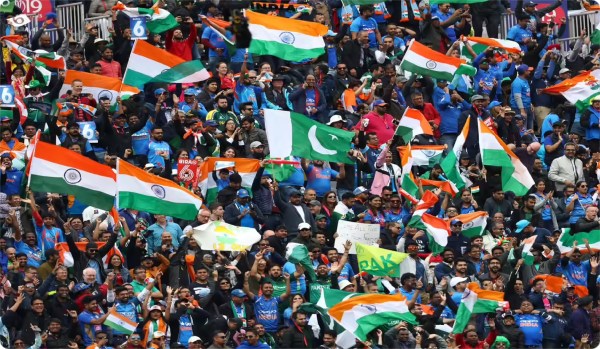

As the Indian cricket team is ready to start its Asia Cup 2025 campaign against the UAE, a big and highly anticipated match against their biggest rivals, Pakistan, is coming up. This planned match has sparked a new round of criticism, with fans and political experts questioning the choice to face Pakistan given the recent military tensions between the two countries. Some people want everyone to stop playing in all multi-team tournaments in Pakistan, even those run by the ICC. However, BCCI Secretary Devajit Saikia has given a full explanation of why this is not possible.
Saikia talked about the criticism directly in an exclusive interview with media. He said that the Board of Control for Cricket in India (BCCI) is following the rules set by the Indian government’s sports department to the letter. Saikia said, “The central government’s sports department has set the rules and policies for the Indian team’s participation in cricket or any other sport.” He also said that the government’s policy framework is the outcome of a deliberate and meticulous decision-making process that is meant to give national sports federations a clear path to follow.
Saikia went on to explain how complicated a possible boycott would be. He said that if they didn’t play against Pakistan in multi-national events, they may face serious consequences from global and regional regulatory bodies like the International Cricket Council (ICC) and the Asian Cricket Council (ACC). He cautioned that these kinds of punishments will hurt not only the federation but also the careers of both existing and future players. “If a team doesn’t play in a tournament with teams from more than one country, that federation could face penalties.” He said, “This would hurt the careers of the players who are coming up.”
The Secretary of the BCCI said that the government’s policy is good for both the federations and the players. He thinks that the present rules are a fair way to deal with politics without putting Indian cricket and its players’ futures at risk.
On September 14, the highly anticipated group stage encounter between India and Pakistan will take place. The two sides could meet each other up to three times before the Asia Cup ends, depending on how the competition goes. This adds to the high stakes and political intrigue surrounding the event.