

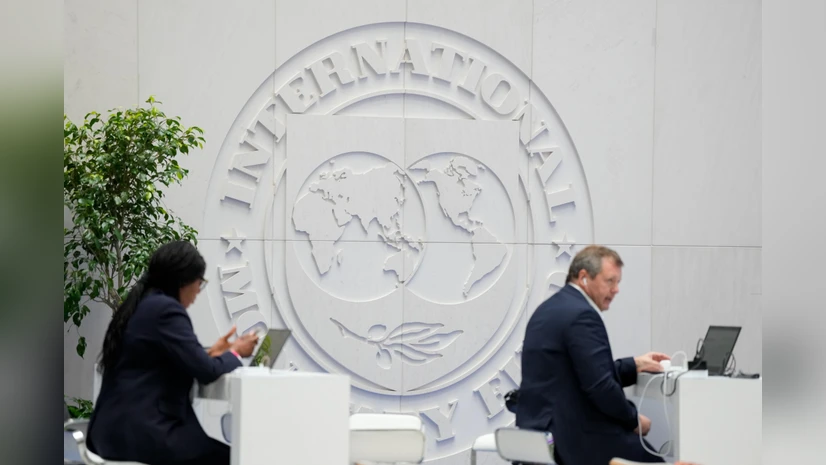

The International Monetary Fund (IMF) has reclassified India’s de facto exchange-rate regime, shifting it from a “stabilized arrangement” to a “crawl-like arrangement,” according to its latest Article IV country report released on Wednesday. The update comes two years after the IMF suggested that the Reserve Bank of India (RBI) was intervening excessively in the foreign-exchange market.
What the New Classification Means
A crawl-like arrangement involves small, gradual adjustments to a currency, typically reflecting inflation differentials between a country and its major trading partners. According to the IMF, India’s central bank “intervenes frequently” in the forex market, with the stated aim of curbing “excessive volatility.”
The timing of this assessment coincides with renewed pressure on the Indian rupee, which hit a record low last week. The RBI stepped in on Monday to stabilize the currency, reinforcing global attention on its intervention practices.
Rupee Volatility Rises Under New Leadership
Rupee volatility has increased since Governor Sanjay Malhotra assumed office in December last year. Unlike his predecessor, Shaktikanta Das, who often tapped India’s large forex reserves to reduce volatility, Malhotra has allowed more market-driven movement.
So far in 2024, the rupee has weakened about 4% against the US dollar, the steepest decline among major Asian currencies. This fall comes as India grapples with stringent US tariffs on its exports.
Malhotra said in an interview Monday that the rupee’s decline was a natural outcome of India’s inflation gap with advanced economies. A depreciation of 3%–3.5% annually is typical, he noted, adding that the RBI’s key priority remains preventing “excessive volatility.”
RBI vs IMF: Ongoing Differences
Indian authorities have repeatedly contested the IMF’s assessments. When the IMF classified the regime as “stabilized” in 2023, the RBI argued that the conclusion would not hold if exchange-rate behaviour were evaluated over a longer period.
More recently, RBI Deputy Governor Poonam Gupta criticized the IMF’s framework, saying that avoiding sharp fluctuations is important for emerging markets like India.
Economic Outlook Remains Strong
Despite exchange-rate pressures, the IMF has maintained its forecast for India’s GDP growth at 6.6% for the current fiscal year ending March—factoring in the impact of “prolonged 50% US tariffs.”
The Fund added that while India’s export sector will feel the strain from higher US duties, the broader macroeconomic impact should remain “manageable.”
Official GDP data due Friday is expected to show 7.3% growth in the July–September quarter, according to a Bloomberg survey of economists.