

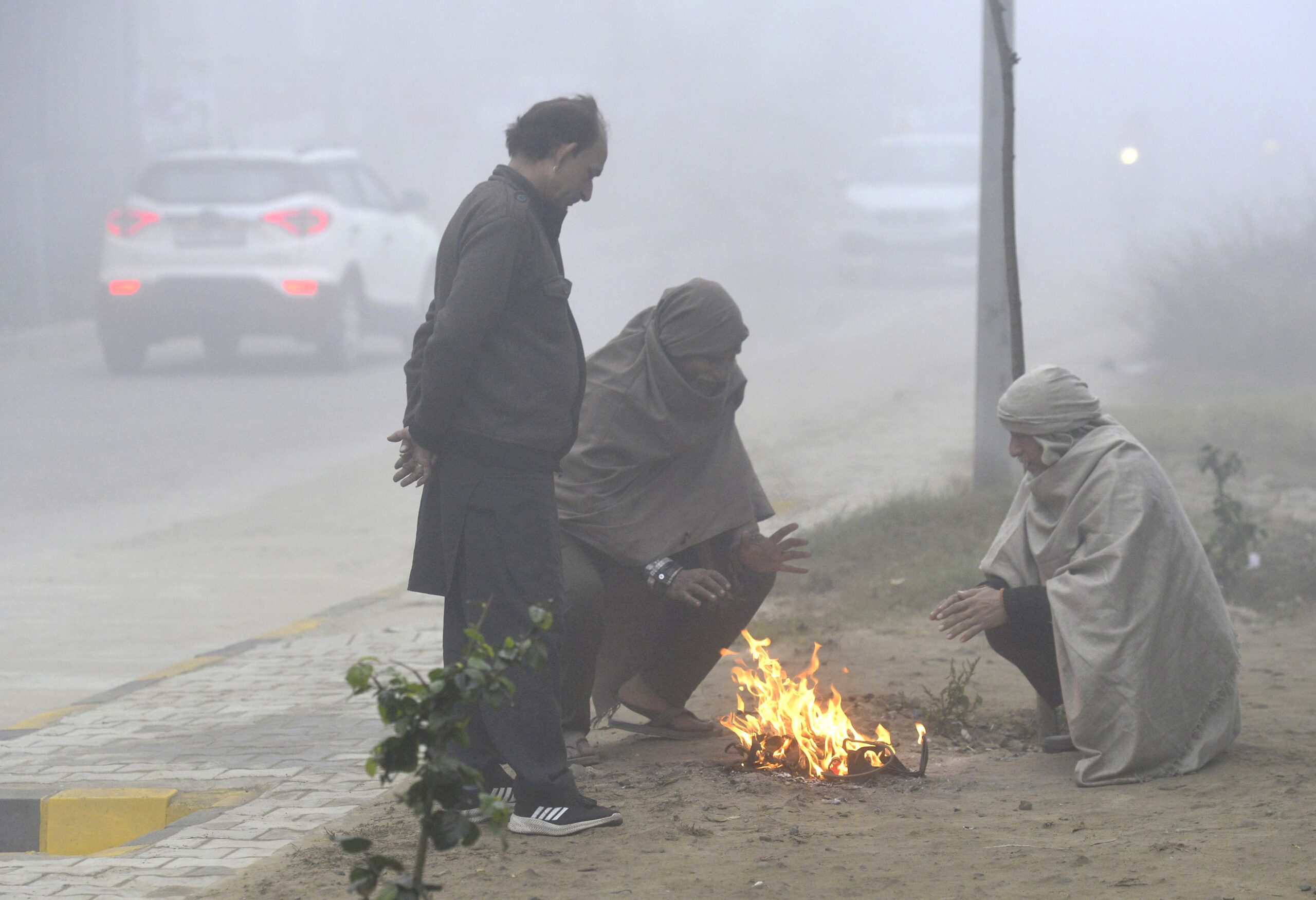

Cold wave conditions continue to grip several parts of India, bringing dense fog, sharp drops in temperature and significant disruptions to daily life. The India Meteorological Department (IMD) has forecast that regions including central Maharashtra, Marathwada, Odisha, Chhattisgarh and Madhya Pradesh will face cold wave conditions until December 13, while Telangana and North Interior Karnataka may experience similar conditions till December 14.
In Delhi, residents are battling both falling temperatures and a thick layer of toxic smog that blanketed the city on Friday morning. Despite the worsening air quality, no cold wave warning has been issued for the national capital. Minimum temperatures in Delhi have hovered between 8–9°C, with slight fluctuations observed over the last few days.
Yellow Alert in Odisha
Odisha continues to face intense cold, prompting IMD to issue a yellow alert for Friday and Saturday. Several districts including Anugul, Sundargarh, Kendrapara, Kalahandi and Koraput are expected to experience severe cold wave conditions. Reports indicate that at least 15 places across 11 districts recorded minimum temperatures below 10°C on Thursday.
Sub-Zero Temperatures Grip Kashmir
Kashmir Valley is witnessing harsh winter conditions as temperatures plunge further below freezing. Srinagar recorded a minimum temperature of -2.9°C on Thursday, worsening daily challenges for locals.
Cold Wave Impact on Himachal Pradesh
The effects of the cold wave have extended to Himachal Pradesh, where Rohtang Pass near Manali has been closed for vehicular movement beyond Darcha due to adverse weather and snowfall.
IMD Predicts Higher-than-Normal Cold Wave Days
The IMD has indicated that the winter season from December to February may see an above-normal number of cold wave days across the country. The department has warned that prolonged cold conditions could pose serious health risks, especially to children, senior citizens and individuals with chronic illnesses. Dense early morning fog may further disrupt air, rail and road traffic due to low visibility.
Why Is India So Cold This Year?
Experts attribute the extreme cold to the influence of the polar vortex intensifying over central, northwest and northeast India. The polar vortex—an area of low pressure and freezing air around the poles—strengthens during winter and can push icy winds into lower latitudes. Combined with La Niña conditions, these atmospheric factors are driving the widespread cold wave across India.
A cold wave is officially declared when the minimum temperature falls below 10°C and is at least 4.5°C lower than the normal average for the region, sustained at two or more weather stations for two consecutive days.